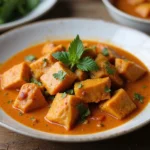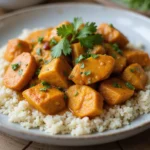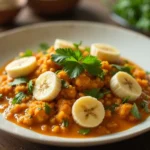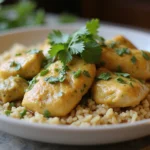

Jamaican Curry Chicken is a dish that embodies the vibrant flavors of the Caribbean, bringing warmth and comfort to every table.
With its aromatic spices and tender chicken, this recipe invites you to experience a taste of Jamaica right in your home.
I first encountered this delightful dish during a visit to the island, where the locals proudly shared their culinary traditions with me.
Perfect for family gatherings or festive occasions, Jamaican Curry Chicken is not just a meal; it’s a celebration of culture and community.
The History and Cultural Significance
• Jamaican Curry Chicken traces its origins to the island of Jamaica, where it was influenced by Indian cooking techniques brought by indentured servants in the 19th century.
• The dish evolved over decades as local ingredients were incorporated, eventually becoming the beloved version we know today, rich in flavors and spices.
• In Jamaica, this dish traditionally appears during family gatherings, festivals, and special occasions, symbolizing hospitality and togetherness.
• While many variations exist across different regions, the authentic version maintains a balance of heat and aromatic spices that set it apart from imitations.
Recipe Overview
Nutritional Information (per serving)
Ingredients
Essential Equipment Guide
Heavy-Duty Dutch Oven: A Dutch oven is crucial for this recipe as it ensures even heat distribution and retains moisture during cooking. Look for a cast-iron version with an enameled finish for easy cleaning and durability.
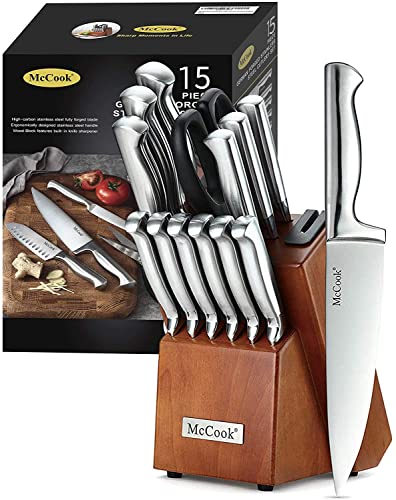
Chef’s Knife: A good chef’s knife is essential for precise chopping of vegetables and herbs, which enhances the overall flavor and presentation of the dish. Opt for a well-balanced knife that is comfortable to hold for extended periods.
Wooden Spoon: A sturdy wooden spoon is ideal for stirring the curry without scratching the pot’s surface. It allows for thorough mixing of ingredients, ensuring that spices are evenly distributed.




Preparation Methods
Marinating the Chicken: Marinating the chicken in the curry powder, salt, and lime juice helps to tenderize the meat while infusing it with flavor. Aim to marinate for at least 30 minutes or overnight for the best results.
Searing the Chicken: Searing the chicken in a hot Dutch oven creates a flavorful crust that adds depth to the dish. Ensure the oil is hot before adding the chicken to prevent sticking and to achieve a golden-brown color.
Simmering the Sauce: Allowing the sauce to simmer gently after adding the coconut milk and chicken broth helps to meld the flavors together. Keep the heat low to avoid boiling, which could cause the sauce to separate.
Step 1: Prepare Ingredients

Start by gathering all the ingredients required for the recipe.
Wash and chop the vegetables as specified in the ingredient list.
Measure out the spices and liquids to ensure a smooth cooking process.
Prepping everything in advance will make the cooking experience more enjoyable.
Step 2: Marinate the Chicken

In a large bowl, combine the chicken pieces with Jamaican curry powder, salt, black pepper, and lime juice.
Mix thoroughly until the chicken is well-coated with the marinade.
Cover the bowl and let it marinate in the refrigerator for at least 30 minutes.
This step enhances the flavor and tenderness of the chicken.
Step 3: Heat the Dutch Oven

Place a heavy-duty Dutch oven over medium-high heat and add olive oil to the pot.
Allow the oil to heat until it shimmers but does not smoke.
This ensures that the chicken will sear properly, creating a flavorful crust.
Be careful not to let the oil get too hot, as it can burn the spices later.
Step 4: Sear the Chicken

Add the marinated chicken pieces to the hot Dutch oven in a single layer.
Sear for about 5 minutes on each side until they are golden brown.
Do not overcrowd the pot, as this can cause the chicken to steam instead of sear.
Remove the chicken and set it aside once browned.
Step 5: Sauté Aromatics

In the same pot, add the chopped onion, garlic, and ginger.
Sauté them for about 3-4 minutes until the onion is translucent and fragrant.
This step builds a flavor base that enhances the overall dish.
Stir frequently to prevent the garlic from burning.
Step 6: Add Coconut Milk and Broth

Pour in the coconut milk and chicken broth, stirring well to combine the flavors.
Scrape the bottom of the pot to incorporate any browned bits from searing.
This adds depth and richness to the sauce.
Bring the mixture to a gentle simmer before adding back the chicken.
Step 7: Combine Chicken and Vegetables
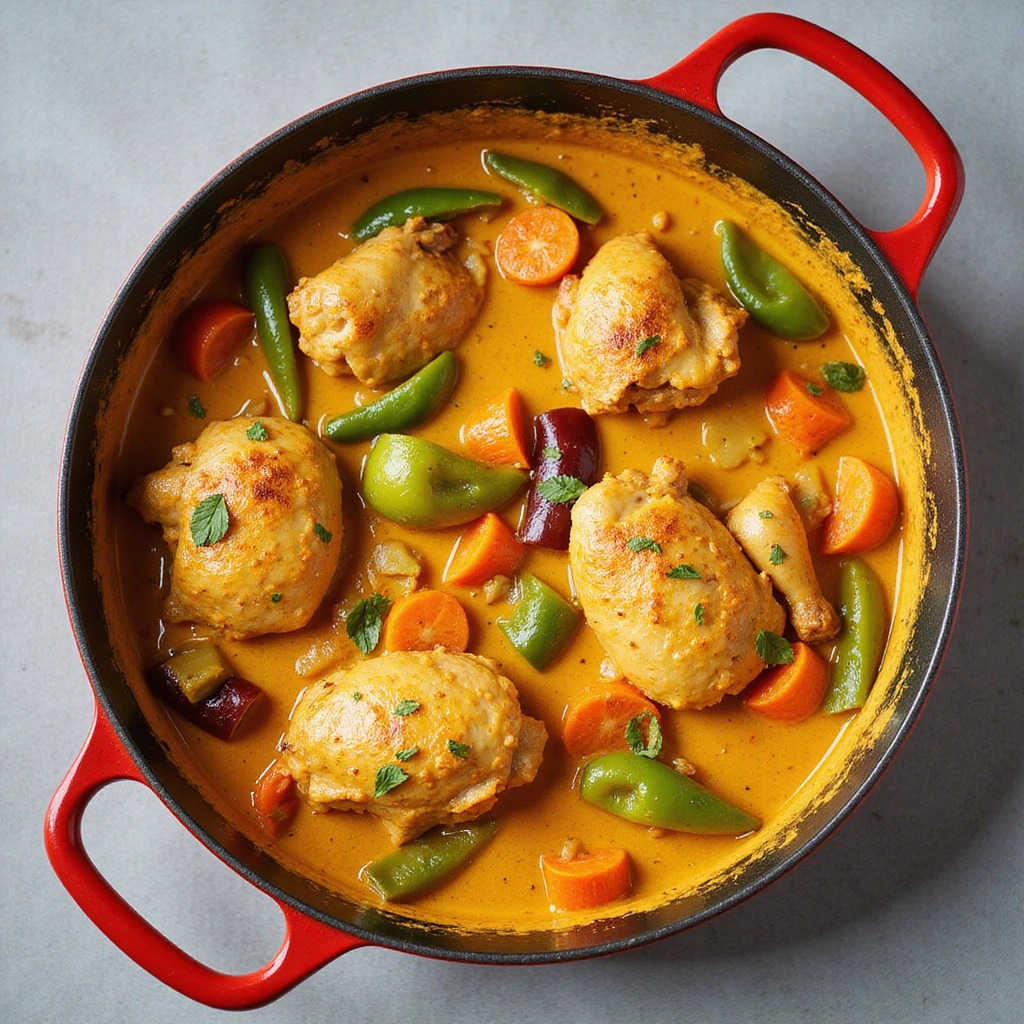
Return the browned chicken to the pot and add the sliced carrots and bell peppers.
Stir to ensure all ingredients are submerged in the sauce.
This allows the vegetables to cook through and absorb the flavors.
Adjust the heat to maintain a gentle simmer.
Step 8: Simmer the Curry
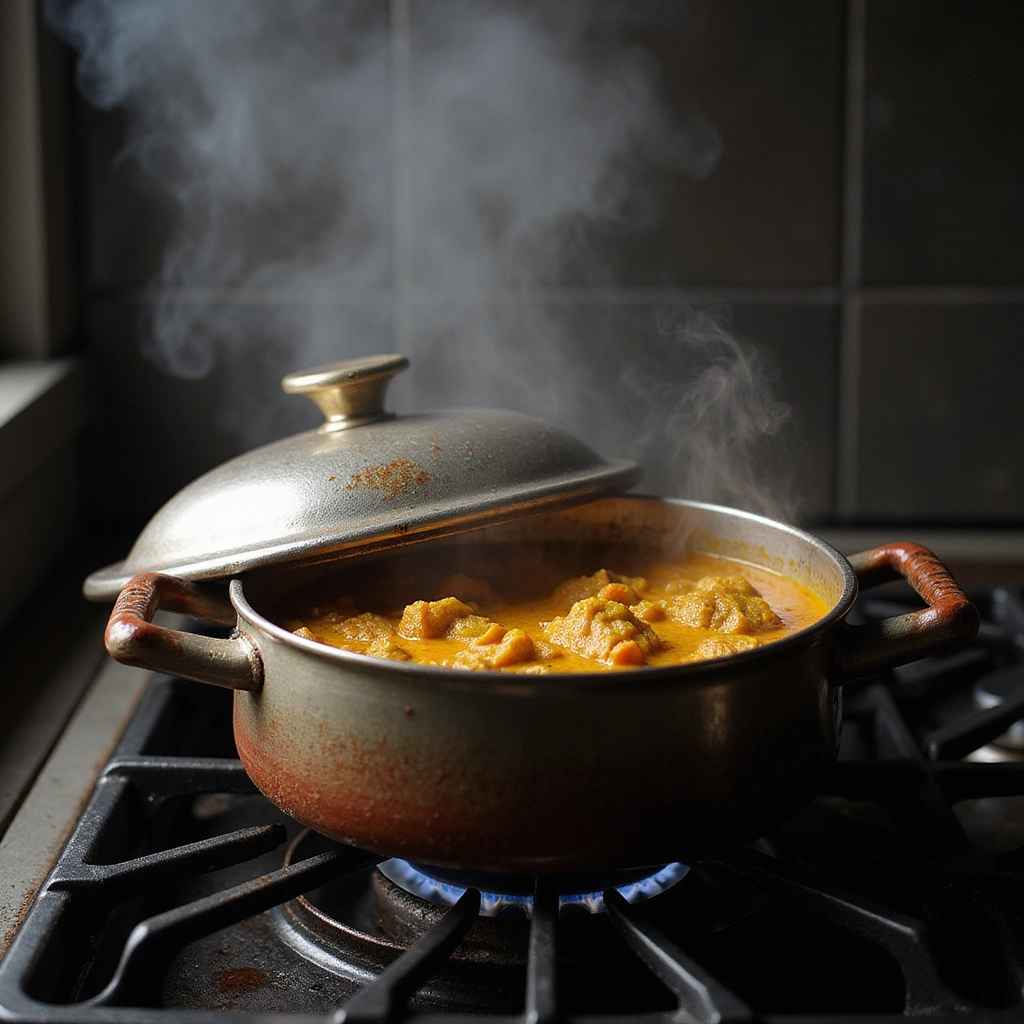
Cover the Dutch oven and let the curry simmer for 30-40 minutes.
This allows the chicken to become tender and the flavors to meld.
Stir occasionally to prevent sticking and ensure even cooking.
Check the consistency; if too thick, add a splash of water.
Step 9: Final Adjustments

After simmering, taste the curry and adjust seasoning with more salt or pepper as desired.
If you prefer more heat, you can add the whole scotch bonnet pepper at this stage.
Remove from heat and let it rest for a few minutes before serving.
This resting period allows the flavors to settle further.
Step 10: Serve the Curry
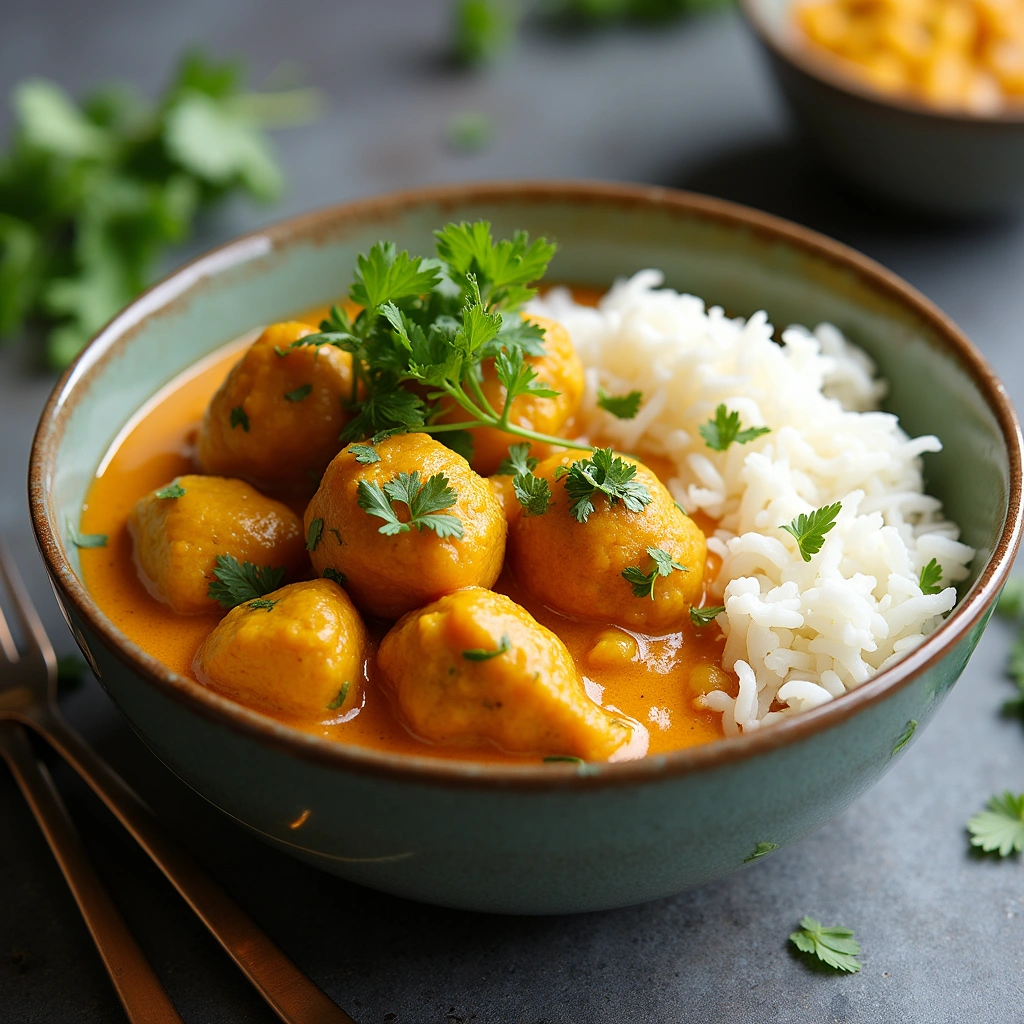
Ladle the Jamaican Curry Chicken into bowls and garnish with chopped scallions.
Serve with steamed rice or roti for a complete meal.
Ensure each bowl has a generous amount of sauce for dipping.
Enjoy the dish while it’s warm to appreciate its full flavors.


![Newness 2 Pack Soup Ladle, [Rustproof, Heat Resistance, Integral Forming]](https://m.media-amazon.com/images/I/21+eCIV5auL._SL500_.jpg)



Critical Timing and Temperature Guide
Marinating Time: Marinate the chicken for at least 30 minutes, but overnight is best for maximum flavor absorption. Look for the chicken to appear slightly darker and well-coated after marinating.
Searing Time: Sear the chicken for about 5 minutes on each side until golden brown. Avoid overcrowding the pan, which can lead to steaming rather than searing.
Simmering Time: Allow the curry to simmer for 30-40 minutes. The chicken should be tender, and the sauce should be slightly thickened; a common mistake is to rush this step.
Pro Tips for Jamaican Curry Chicken Recipes Flavor Packed Classic
• Ingredient Selection: Choosing high-quality Jamaican curry powder is crucial, as it greatly impacts the flavor profile. Look for brands that include all the traditional spices for authenticity.
• Preparation Secret: Allowing the chicken to marinate overnight can enhance tenderness and flavor absorption significantly.
• Temperature Management: Ensure your ingredients are at room temperature before cooking, as this helps in even cooking and better texture.
• Texture Enhancement: Searing the chicken properly develops a crust that enhances the overall texture and flavor of the dish.
• Flavor Layering: Adding aromatics like ginger and garlic early in the cooking process builds a complex flavor base.
• Make-Ahead Strategies: You can marinate the chicken a day ahead and store it in the refrigerator to save time on cooking day.
• Restaurant-Quality Finishing Touches: A sprinkle of fresh scallions or cilantro just before serving adds a burst of freshness and color.
• Equipment Optimization: Ensure your Dutch oven is preheated to the right temperature to achieve the best sear on the chicken.
Troubleshooting Common Issues
• Underseasoned Curry: If the curry tastes bland, it’s likely due to insufficient seasoning. Taste and adjust with more salt or spices during the cooking process to enhance flavors.
• Too Spicy: If the dish becomes too spicy, balance it out with a bit of coconut milk or cream to mellow the heat.
• Chicken Too Tough: If the chicken is tough, it may not have simmered long enough. Ensure that it cooks until tender, checking periodically.
• Too Watery Sauce: If the sauce is too thin, simmer it uncovered for a few extra minutes to reduce and thicken it.
• Flavors Not Melding: If the flavors seem disjointed, allow the curry to sit for a few minutes off the heat before serving to help them combine.
Variations and Regional Differences
• Jamaican Brown Stew Chicken: This version uses a browning sauce to give the chicken a deep color and a different flavor profile, often incorporating soy sauce and additional vegetables for a heartier dish.
• Trinidadian Curry Chicken: This variant often includes chickpeas and is typically spicier, using a combination of curry powder and additional fresh herbs for distinct flavor.
• Vegetarian Curry: A plant-based adaptation using tofu or chickpeas in place of chicken, this version utilizes the same spices and techniques to create a satisfying meat-free meal.
• Modern Interpretations: Contemporary versions may include ingredients like sweet potatoes or kale, reflecting current culinary trends while maintaining the essence of the original dish.
Food Science Behind the Recipe
• Maillard Reaction: This crucial chemical reaction occurs during the searing of the chicken, creating complex flavors and a rich color that enhances the overall taste of the dish.
• Emulsification: The blending of coconut milk with other liquids creates a creamy, cohesive sauce. Understanding this helps in achieving the right consistency.
• Flavor Development: Cooking vegetables like onions and garlic at the beginning allows their natural sugars to caramelize, intensifying the dish’s flavor profile.
Frequently Asked Questions
What’s the most common mistake people make when preparing Jamaican Curry Chicken? The most common mistake is not allowing time for the chicken to marinate, which can result in a lack of flavor.
Can I prepare components of this dish in advance? Yes, you can marinate the chicken up to 24 hours ahead and chop the vegetables to save time.
How do I adapt this recipe for dietary restrictions? For gluten-free, ensure the curry powder is certified gluten-free, and for dairy-free, coconut milk is a perfect substitute.
What’s the best way to store and reheat leftovers? Store in an airtight container in the refrigerator for up to 3 days; reheat on the stovetop over low heat to maintain texture.
Can I freeze this dish? Yes, freeze in an airtight container for up to 3 months; thaw in the refrigerator before reheating.
What wine or beverages pair best with this dish? A light to medium-bodied white wine, like Sauvignon Blanc, complements the dish’s spices well.
How can I scale this recipe up for a crowd? Simply multiply the ingredients while keeping cooking times in mind; consider using two pots if necessary to avoid overcrowding.
What side dishes complement this recipe best? Rice and peas, fried plantains, or a fresh salad are excellent choices to balance the flavors of the curry.
How do professional chefs elevate this dish for restaurant service? Chefs may use higher-end ingredients, add garnishes like microgreens, or serve with artisanal bread for a refined presentation.
Serving and Presentation Guide
• Traditional Presentation: Serve Jamaican Curry Chicken in a large bowl with rice on the side. Garnish with chopped scallions and a sprig of fresh cilantro for color.
• Modern Plating Ideas: Plate the curry in a shallow dish with a mound of rice, drizzling the sauce artistically around the chicken, and adding a slice of lime for a pop of color.
• Accompaniment Suggestions: Pair with a light salad of mixed greens or a side of fried plantains for a sweet contrast.
• Special Occasion Presentation: For formal events, serve the curry in individual ramekins and garnish with edible flowers or microgreens for an elegant touch.
Conclusion
I hope you enjoy making this Jamaican Curry Chicken recipe as much as I do.
It’s a dish that not only satisfies the palate but also brings a taste of Jamaica into your kitchen.
Share it with family and friends to experience the joy of Caribbean cooking together.