
Curry ramen is a delightful fusion that takes the comforting essence of traditional ramen and infuses it with the aromatic spices of curry.
This dish combines rich, savory broth with tender noodles, creating a warm and satisfying meal.
I first experienced this unique combination at a cozy little ramen shop during a chilly winter evening, where the flavors exploded with each slurp.
Perfect for any season, this curry ramen noodle comfort bowl is easy to prepare and promises to become a favorite in your household.
The History and Cultural Significance
• Curry ramen traces its origins to Japan, where it emerged during the Meiji era as Western influences began to permeate Japanese cuisine.
• The dish evolved over decades as chefs embraced curry powder and spices, merging them with traditional ramen techniques, eventually becoming the beloved version we know today.
• In Japan, this dish traditionally appears at family gatherings and casual dining spots, symbolizing warmth, comfort, and the blending of cultures.
• While many variations exist across different regions, the authentic version maintains a balance of rich curry flavor and delicate ramen texture that sets it apart from imitations.
Recipe Overview
Nutritional Information (per serving)
Ingredients
Essential Equipment Guide
Large Pot: A large pot is crucial for making the broth and cooking the noodles simultaneously. Look for a heavy-bottomed pot that retains heat evenly to prevent sticking and burning.
Whisk: A whisk is essential for blending the curry paste into the broth smoothly. A balloon whisk is ideal as it aerates the liquid while combining ingredients effectively.
Chef’s Knife: A sharp chef’s knife is important for preparing vegetables and protein components. Ensure the knife is well-balanced and has a comfortable grip for precision cutting.
Preparation Methods
Simmering: Simmering is the process of cooking ingredients in liquid at a low temperature, which allows flavors to meld together. It’s important to keep the broth just below boiling to avoid toughening proteins or overcooking vegetables.
Blanching: Blanching involves briefly boiling vegetables and then shocking them in ice water to preserve color and texture. This technique is especially useful for keeping the vegetables in the curry ramen vibrant and crisp.
Emulsifying: Emulsifying is the technique of combining two liquids that typically don’t mix, such as oil and broth. This is crucial in achieving a smooth and cohesive sauce, ensuring the flavors are well integrated.
Step 1: Prepare the Broth
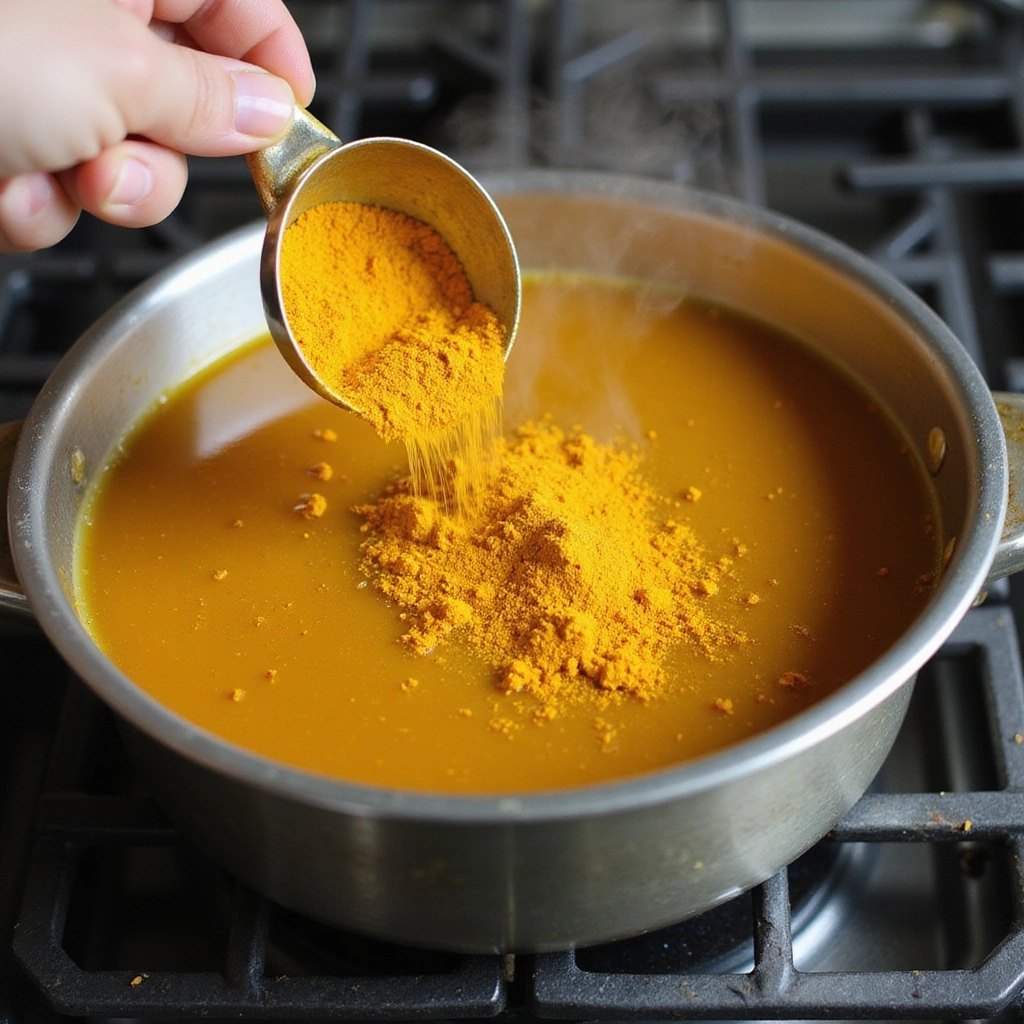
In a large pot, combine the chicken or vegetable broth and bring it to a gentle simmer.
Add the curry powder, stirring well to dissolve it completely.
Look for a rich, golden color in the broth as the spices blend in.
Keep the heat low to prevent boiling, which can reduce the flavor quality.
Step 2: Add Sauce Ingredients
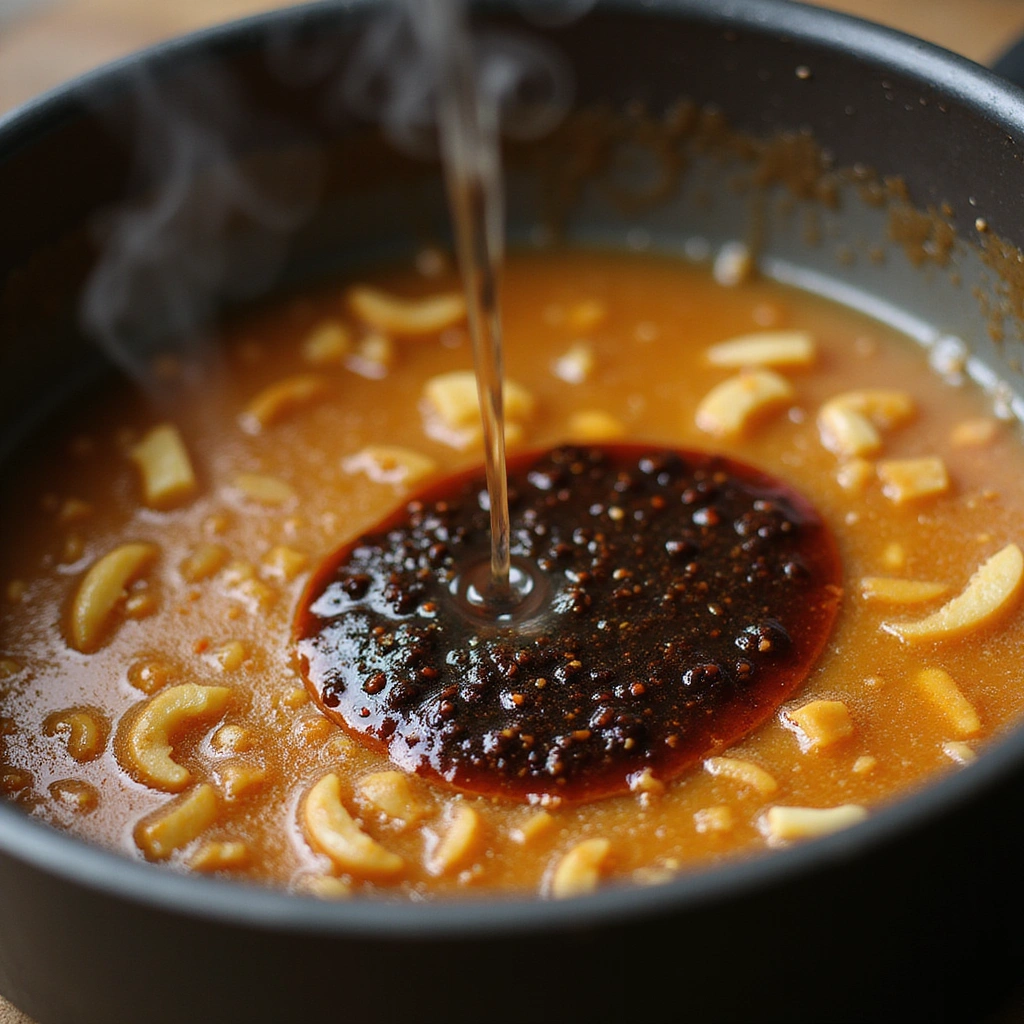
Once the broth is at a simmer, add the soy sauce and sesame oil.
Stir well to combine all the flavors thoroughly.
Look for a deepening of color and an aromatic fragrance as the sauce ingredients meld.
Simmer for an additional 5 minutes to allow the flavors to develop further.
Step 3: Prepare the Vegetables
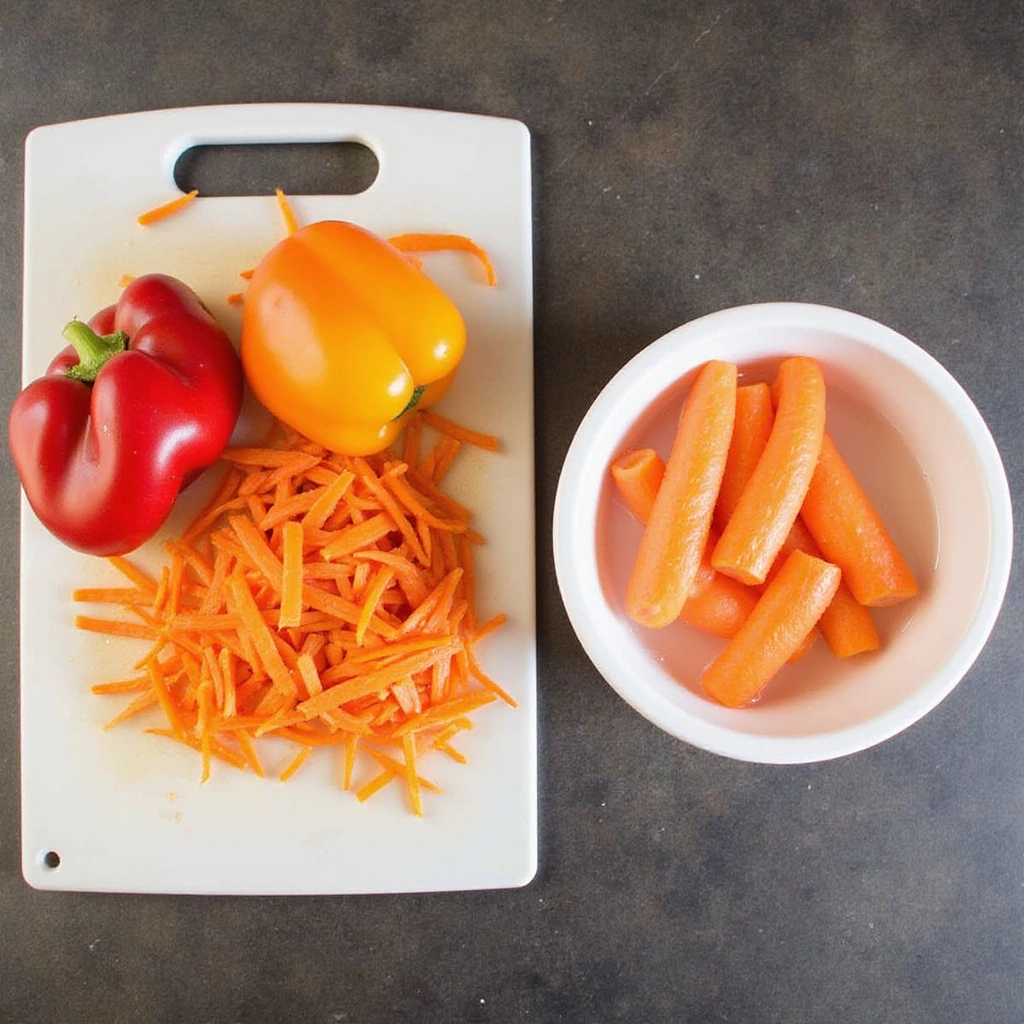
While the broth simmers, prepare your vegetables by slicing the carrots and bell pepper thinly.
Blanch the carrots in boiling water for 2 minutes, then shock them in ice water.
This step ensures they maintain a bright color and crisp texture in the final dish.
Set the blanched carrots and sliced bell pepper aside for later.
Step 4: Cook the Noodles
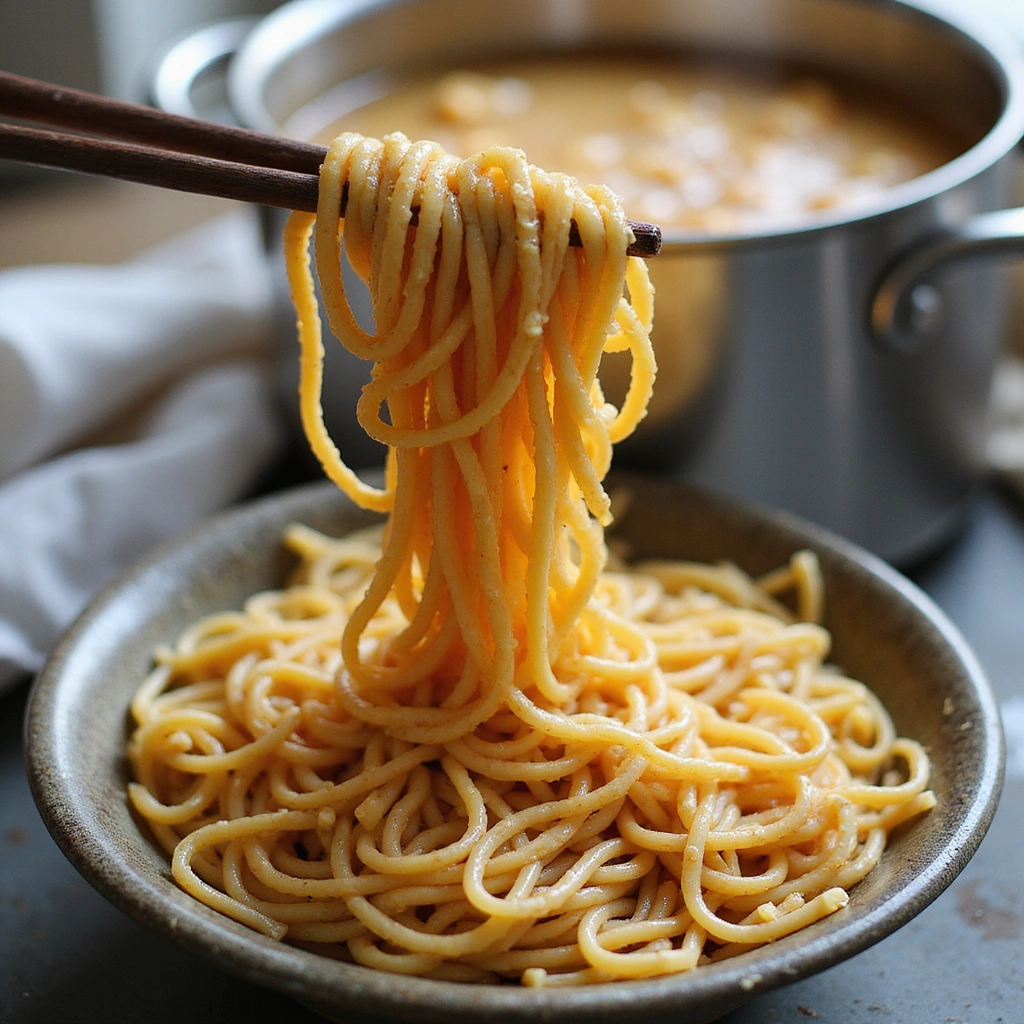
In a separate pot, cook the ramen noodles according to package instructions, usually around 3-4 minutes.
Once cooked, drain the noodles and rinse them under cold water to stop the cooking process.
Look for noodles that are tender yet slightly chewy, providing the perfect texture.
Set the drained noodles aside until ready to serve.
Step 5: Combine Ingredients
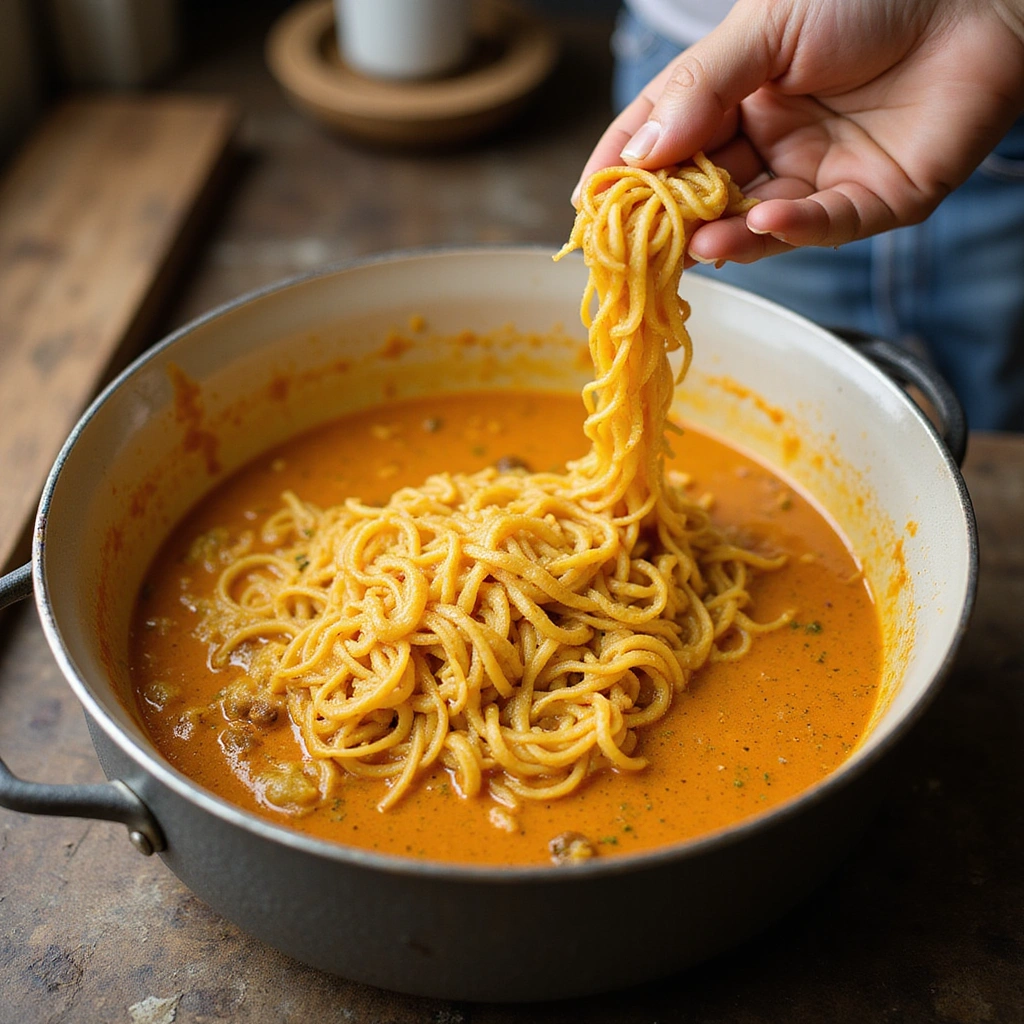
Once the broth is flavorful and the noodles are ready, add the cooked noodles into the broth pot.
Gently stir to combine, ensuring the noodles absorb the rich flavors of the curry broth.
Look for the noodles to be well-coated in the broth before serving.
Allow them to simmer together for 2-3 minutes to meld the flavors.
Step 6: Add Vegetables and Protein
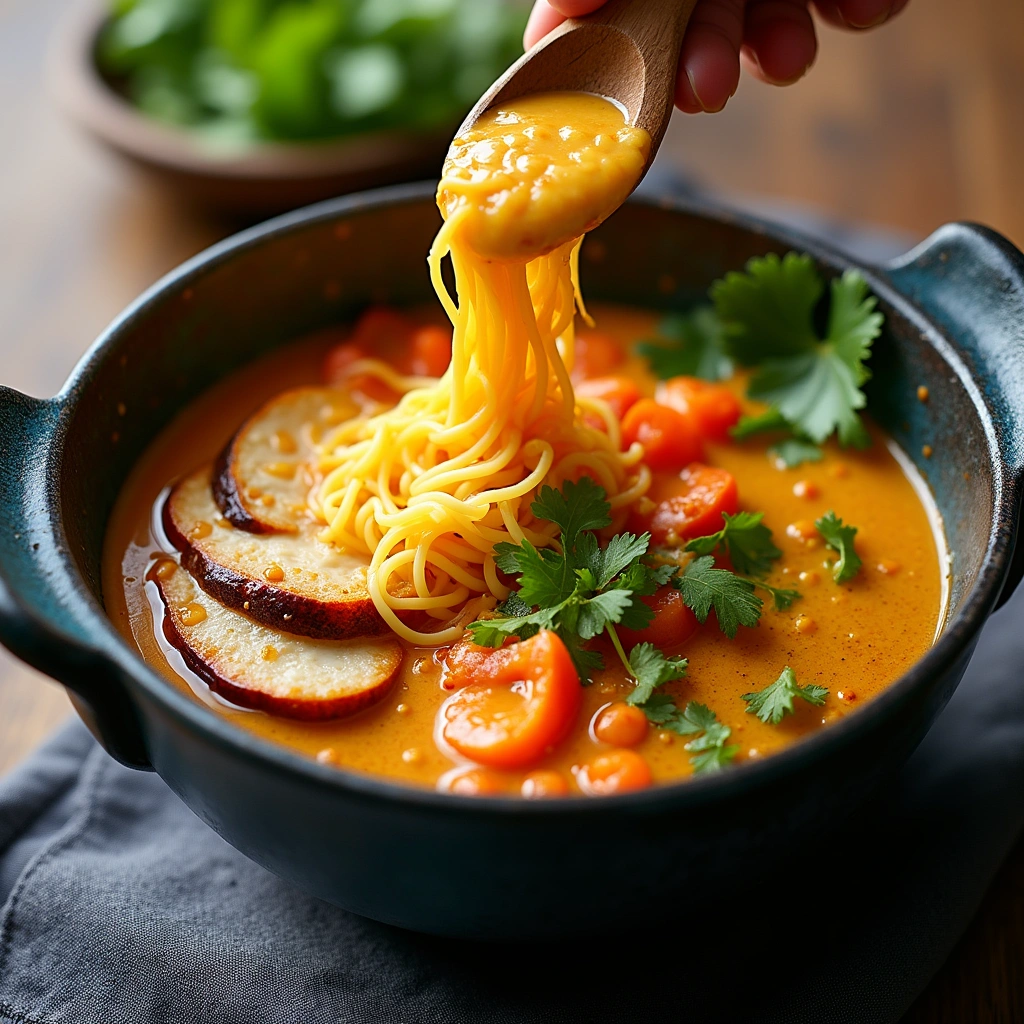
Add the blanched carrots, sliced bell pepper, and any optional protein like tofu or chicken to the pot.
Stir gently to combine, letting everything heat through for about 2-3 minutes.
Look for the vegetables to be just tender and vibrant in color.
This step ensures that all ingredients are warmed and flavored by the broth.
Step 7: Serve and Garnish
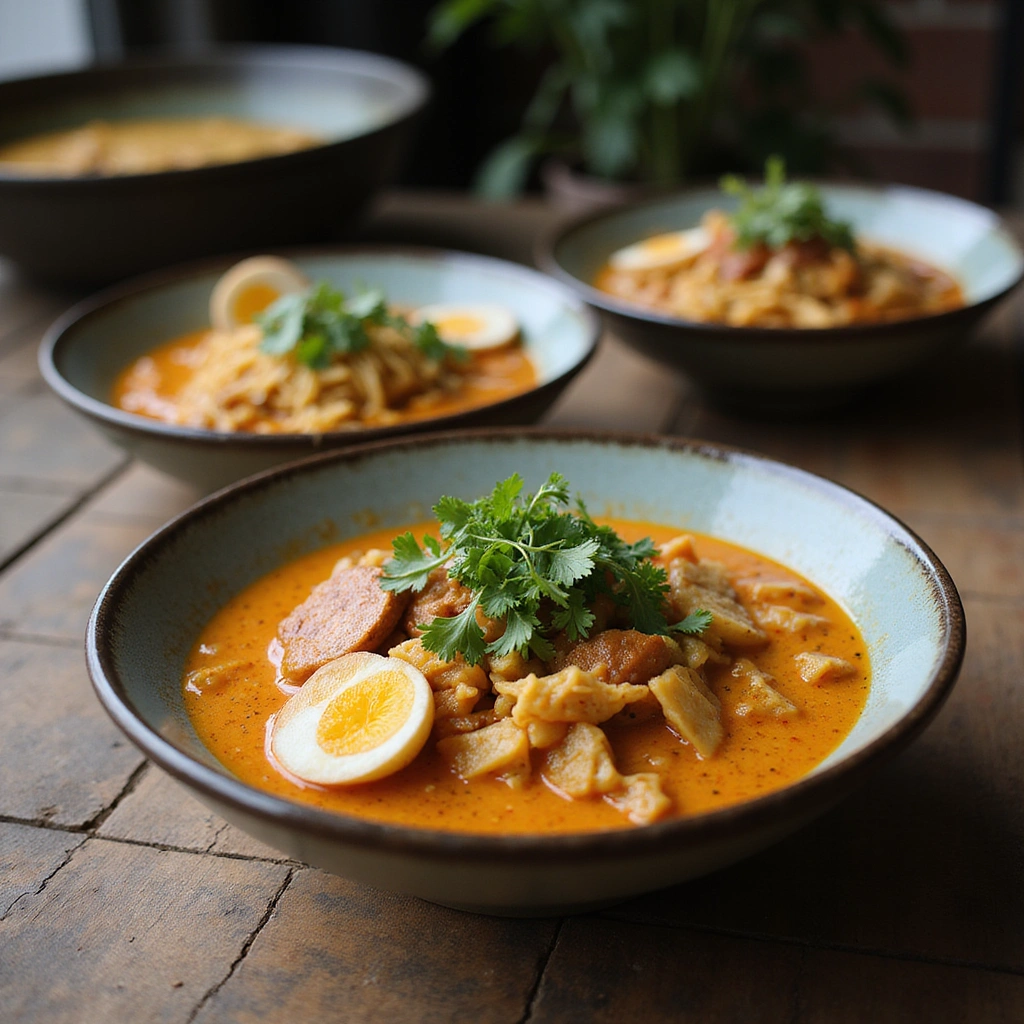
Ladle the curry ramen into bowls, ensuring an even distribution of noodles, broth, and toppings.
Garnish generously with chopped scallions and any additional herbs you prefer.
Look for a beautiful contrast of colors and textures in the final presentation.
Serve hot and enjoy the comforting warmth of this dish.
Critical Timing and Temperature Guide
Broth Simmering: Maintain a gentle simmer (around 190°F) for about 10-15 minutes. Look for small bubbles forming but avoid a rolling boil. Overheating can concentrate flavors too much or burn spices.
Noodle Cooking: Cook ramen for 3-4 minutes until al dente. Look for slightly firm noodles before draining. Cooking too long can lead to mushy noodles.
Vegetable Blanching: Blanch for 2 minutes until vibrant, then shock in ice water. Look for bright colors and crisp texture. Overcooking can lead to dull colors and loss of crunch.
Pro Tips for Curry Ramen Noodle Recipes Comfort Bowl You’ll Love
• Ingredient Selection: Use high-quality curry powder for the best flavor impact. Fresh spices make a significant difference in the overall taste.
• Preparation Secret: Adding a touch of honey or sugar to the broth can balance the spices and enhance overall flavor.
• Temperature Management: Ensure all ingredients are at room temperature before adding them to the simmering broth for even cooking.
• Texture Enhancement: A quick rinse of the noodles under cold water after cooking helps maintain their texture and prevents sticking.
• Flavor Layering: Start with a base of sautéed garlic and ginger to build depth in the broth before adding curry powder.
• Make-Ahead Strategies: Prepare the broth and chop vegetables a day ahead for quick assembly when ready to serve.
• Restaurant-Quality Finishing Touches: A drizzle of high-quality sesame oil just before serving elevates the dish’s aroma and flavor significantly.
• Equipment Optimization: A heavy-bottomed pot prevents hot spots, ensuring even cooking for the broth and noodles.
Troubleshooting Common Issues
• Broth Lacks Flavor: This can happen if spices aren’t toasted properly or if the broth isn’t simmered long enough. To fix, simmer longer and add more curry powder or soy sauce gradually for depth.
• Noodles Too Sticky: If noodles clump together, ensure you rinse them with cold water after cooking. To prevent this, stir them occasionally while cooking.
• Vegetables Overcooked: If vegetables are mushy, reduce blanching time and shock them in ice water immediately. Always aim for vibrant and crisp veggies.
• Texture Too Thin: If the broth is too watery, let it simmer uncovered for a while to reduce and concentrate flavors. Adjust seasoning as needed afterward.
• Too Spicy: If the dish turns out too spicy, balance it out with a splash of coconut milk or a pinch of sugar to mellow the heat.
Variations and Regional Differences
• Hokkaido Style: This variation features a rich, creamy broth made with miso and dairy, offering a unique take on the curry ramen experience. It’s often topped with seafood and corn for added sweetness.
• Vegan Version: Substitute chicken broth with vegetable broth and use tofu as the protein for a vegan-friendly option. Incorporating more vegetables like mushrooms enhances depth without compromising flavor.
• Spicy Curry Ramen: Add chili paste or fresh chilies to the broth for heat, allowing spice lovers to enjoy a fiery kick. This adaptation is popular in regions with a love for bold flavors.
• Modern Interpretations: Incorporating trendy ingredients like kale or quinoa can create a healthier twist while maintaining the essence of curry ramen.
Food Science Behind the Recipe
• Maillard Reaction: This process occurs when proteins and sugars are heated, creating complex flavors and aromas. When sautéing garlic and ginger, this reaction enhances the overall flavor profile of the broth.
• Emulsification: The blending of oil and water in the broth creates a cohesive mixture that enhances mouthfeel and flavor distribution. Proper emulsification ensures that flavors are evenly spread throughout the dish.
• Gelatinization: When noodles are cooked, starches gelatinize, contributing to their texture. Understanding this helps prevent overcooking, ensuring noodles maintain their ideal chewiness.
Frequently Asked Questions
What’s the most common mistake people make when preparing curry ramen? A common mistake is not allowing the broth to simmer long enough, which can lead to a bland flavor. Always let it simmer to develop a rich taste.
Can I prepare components of this dish in advance? Yes, you can prepare the broth and chop vegetables a day ahead. Store them in the refrigerator and combine them just before serving.
How do I adapt this recipe for dietary restrictions? To make this dish gluten-free, use gluten-free ramen noodles and tamari instead of soy sauce. Adjust cooking times accordingly.
What’s the best way to store and reheat leftovers? Store leftovers in an airtight container in the refrigerator for up to 3 days. Reheat gently on the stovetop to preserve texture and flavor.
Can I freeze this dish? Yes, you can freeze the broth and noodles separately. Thaw completely before reheating, adding fresh vegetables for best results.
What wine or beverages pair best with this dish? A light white wine like Riesling complements the spices without overpowering the dish’s flavors. Alternatively, a chilled sake works beautifully.
How can I scale this recipe up for a crowd? Simply multiply each ingredient by the number of servings needed, but ensure your pot is large enough to accommodate the increased volume without overflowing.
What side dishes complement this recipe best? A simple salad with sesame dressing or crispy tempura vegetables pairs well, providing a refreshing contrast to the rich ramen.
How do professional chefs elevate this dish for restaurant service? Chefs often use homemade broth, unique garnishes like microgreens, and precise plating techniques to enhance both flavor and presentation.
Serving and Presentation Guide
• Traditional Presentation: Serve in deep bowls, layering noodles, broth, and toppings artfully. Sprinkle scallions and herbs on top for a pop of color, enhancing visual appeal.
• Modern Plating Ideas: Use shallow bowls and arrange ingredients artistically. Consider adding a drizzle of chili oil or sesame oil for an eye-catching finish.
• Accompaniment Suggestions: Serve with pickled vegetables or a side of rice to complement the curry flavors and provide a satisfying meal.
• Special Occasion Presentation: For celebrations, consider using elegant serving dishes and adding edible flowers or fresh herbs as garnish, elevating the dining experience.
Conclusion
I hope you find joy in crafting this comforting bowl of curry ramen.
With its rich flavors and satisfying textures, it’s sure to warm your heart and soul.
Give this recipe a try, and share it with loved ones for a wonderful meal together.