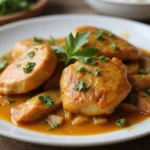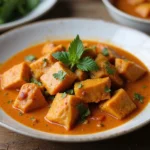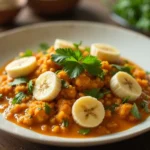
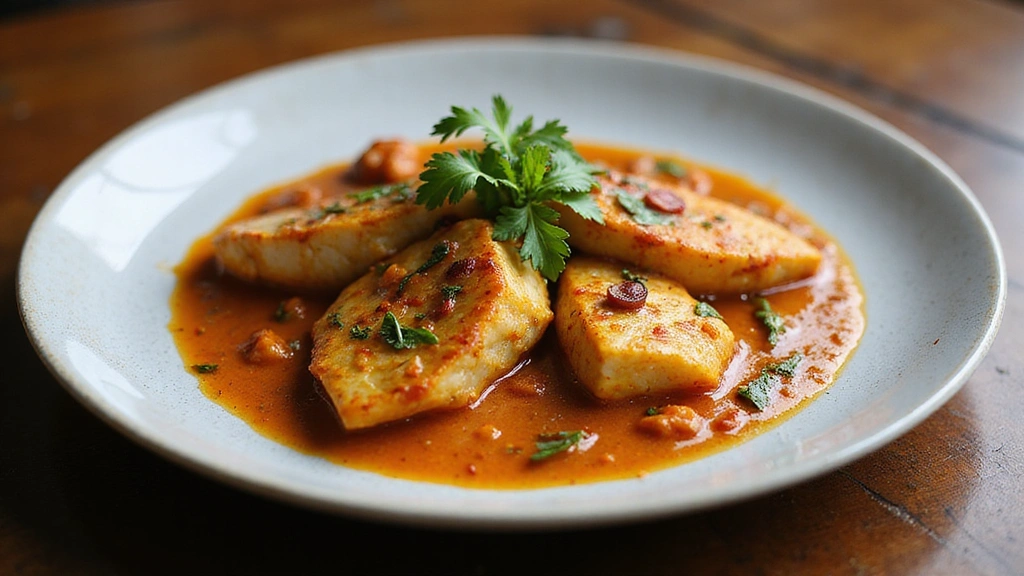
Tamil Nadu Fish Curry is a vibrant and spicy dish that epitomizes the rich culinary heritage of South India.
With its bold flavors and aromatic spices, it tantalizes the taste buds and warms the soul.
I first tasted this delightful curry during a family gathering in Tamil Nadu, where the locals served it with steaming rice and fresh vegetables.
Whether you’re a seasoned cook or a beginner, this recipe offers an authentic glimpse into Tamil cuisine, promising a satisfying meal that brings people together.
The History and Cultural Significance
• Tamil Nadu Fish Curry traces its origins to the coastal regions of Tamil Nadu, where it was originally created by fishermen utilizing fresh catch from the sea.
• The dish evolved over decades as spice trade routes expanded, introducing a variety of flavors and ingredients, eventually becoming the beloved version we know today.
• In Tamil culture, this dish traditionally appears at family gatherings and festivals, symbolizing abundance and togetherness.
• While many variations exist across different regions of Tamil Nadu, the authentic version maintains a unique blend of spices that sets it apart from imitations.
Recipe Overview
Nutritional Information (per serving)
Ingredients
Essential Equipment Guide
Heavy Bottom Pan: A heavy bottom pan is crucial for even heat distribution, preventing the curry from burning. Alternatives include non-stick pans, but they may not achieve the same depth of flavor. Look for one that can withstand high heat and has a tight-fitting lid.
Spice Grinder: A spice grinder allows you to freshly grind spices, enhancing the curry’s aroma and flavor. While pre-ground spices can work, they lack the potency of fresh ones. Choose a grinder that is easy to clean and can handle both dry and wet spices.
Wooden Spoon: A wooden spoon is essential for stirring the curry without scratching your pan. Alternatives like silicone spoons are available, but wood provides a traditional touch. Look for one with a comfortable grip and a sturdy design.
Preparation Methods
Marinating the Fish: Marinating the fish with turmeric and salt for at least 15 minutes before cooking helps to enhance flavor and remove any fishy smell. This step is crucial for achieving a balanced taste. Ensure the fillets are evenly coated and refrigerate during the marination.
Sautéing the Base: Sautéing the onions until golden brown creates a flavorful base for the curry. This caramelization adds sweetness and depth to the dish. Monitor the heat to avoid burning the onions, stirring frequently for even cooking.
Layering Spices: Adding spices at different stages builds complexity in flavor. Start by adding them after the onions are sautéed to bloom their essential oils. Stir well and allow them to cook for a minute before adding tomatoes and other ingredients.
Step 1: Prepare the Fish
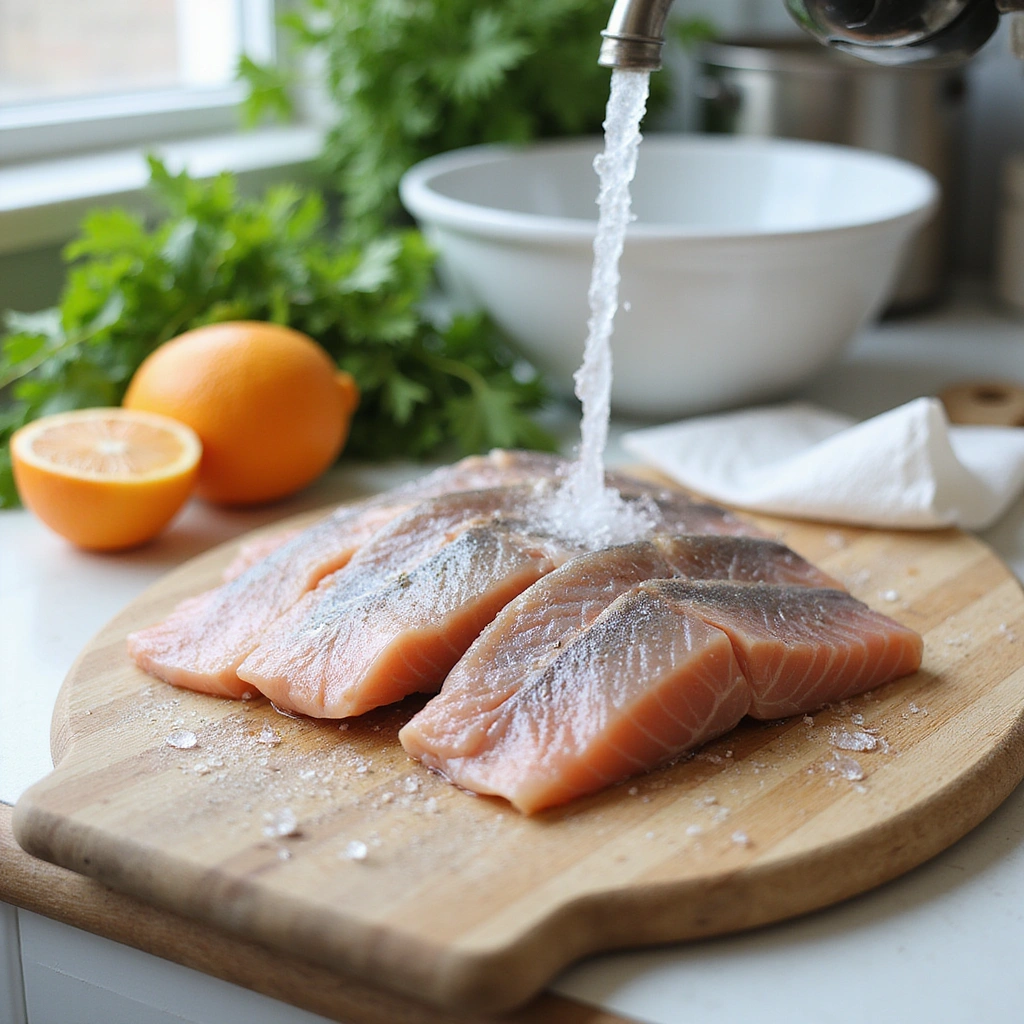
Start by cleaning the fish fillets under cold water.
Pat them dry using paper towels to remove excess moisture.
Cut the fish into even pieces to ensure uniform cooking.
Set aside while you prepare the marinade.
Step 2: Marinate the Fish
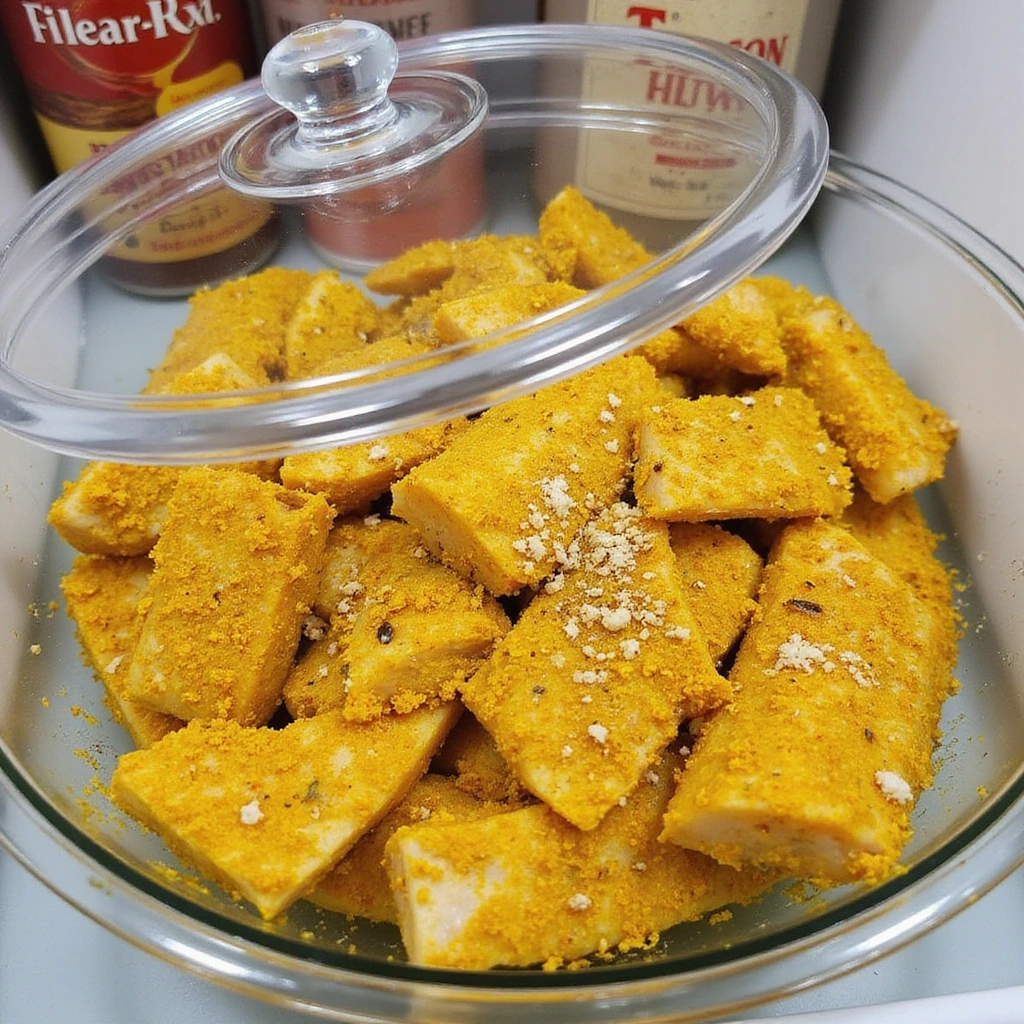
In a bowl, combine the fish pieces with turmeric and salt.
Toss gently to coat each piece evenly.
Cover the bowl with plastic wrap and refrigerate for at least 15 minutes.
This step is important for enhancing the flavor and reducing any fishy odor.
Step 3: Sauté Onions
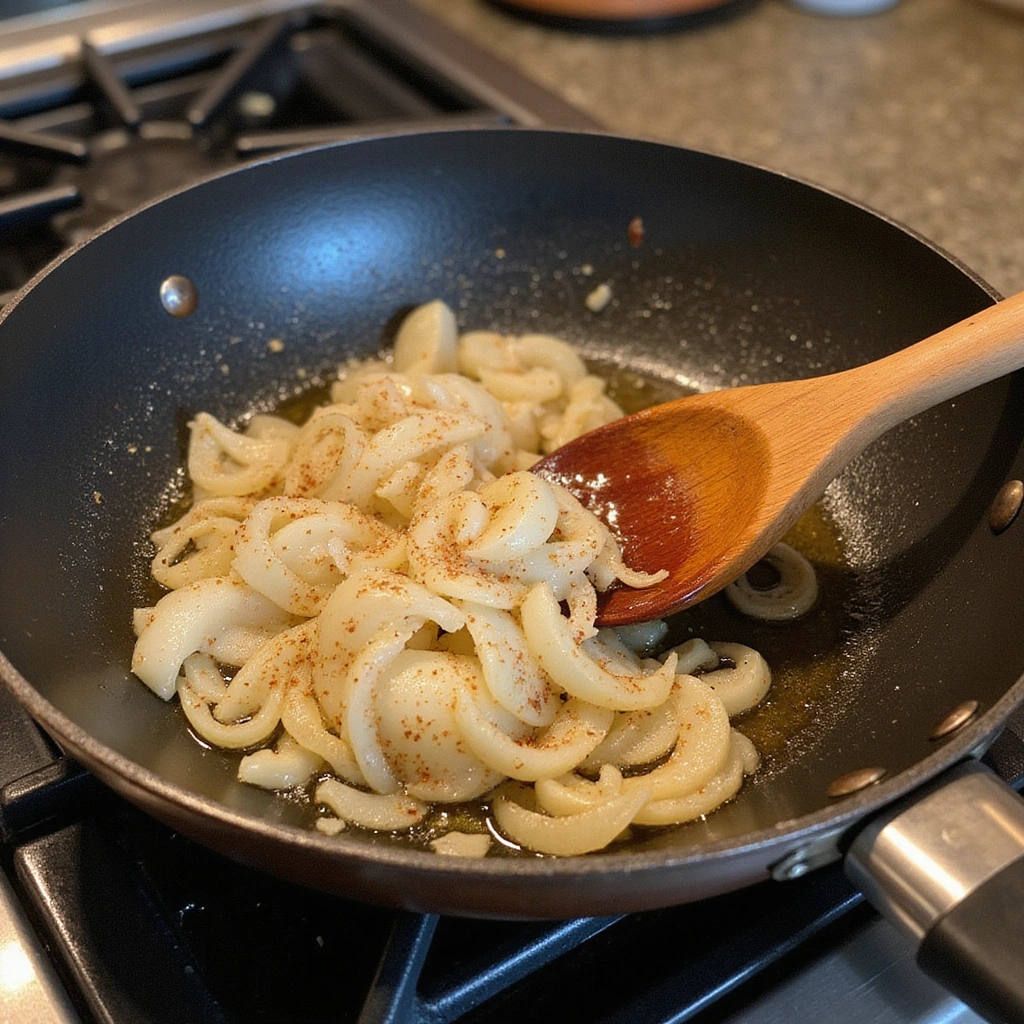
Heat oil in a heavy-bottomed pan over medium heat.
Add the chopped onions and sauté until they turn golden brown.
Make sure to stir frequently to avoid burning.
This process should take about 8-10 minutes and is crucial for building flavor.
Step 4: Add Tomatoes and Cook
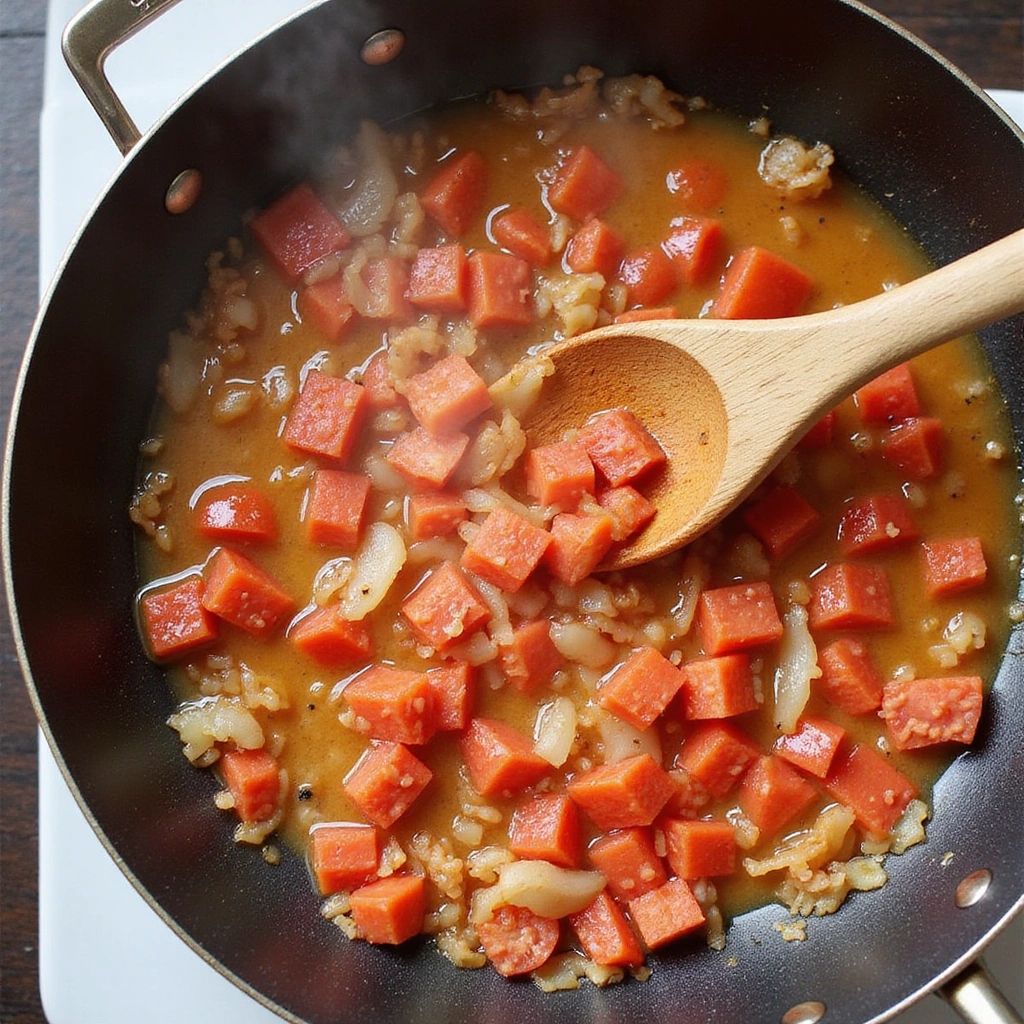
Once the onions are golden, add the diced tomatoes to the pan.
Stir well and cook until the tomatoes break down and become saucy.
This should take about 5-7 minutes.
Ensure the mixture is well combined for an even flavor.
Step 5: Add Spices
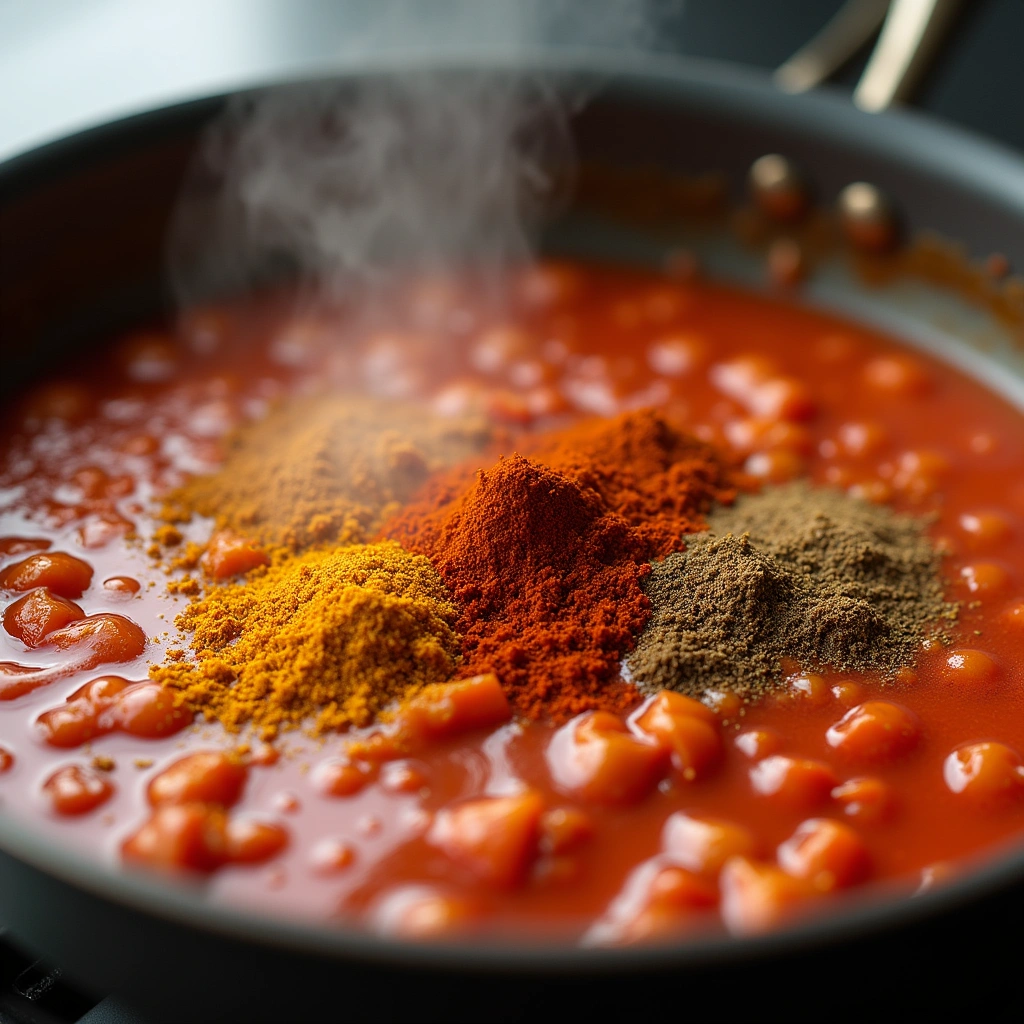
Now, add the turmeric, red chili powder, coriander powder, and cumin powder to the pan.
Stir the spices into the mixture, cooking for an additional minute to bloom their flavors.
You should see the oil separating from the mixture, indicating readiness.
This step is key to developing the dish’s unique flavor profile.
Step 6: Add Coconut Milk
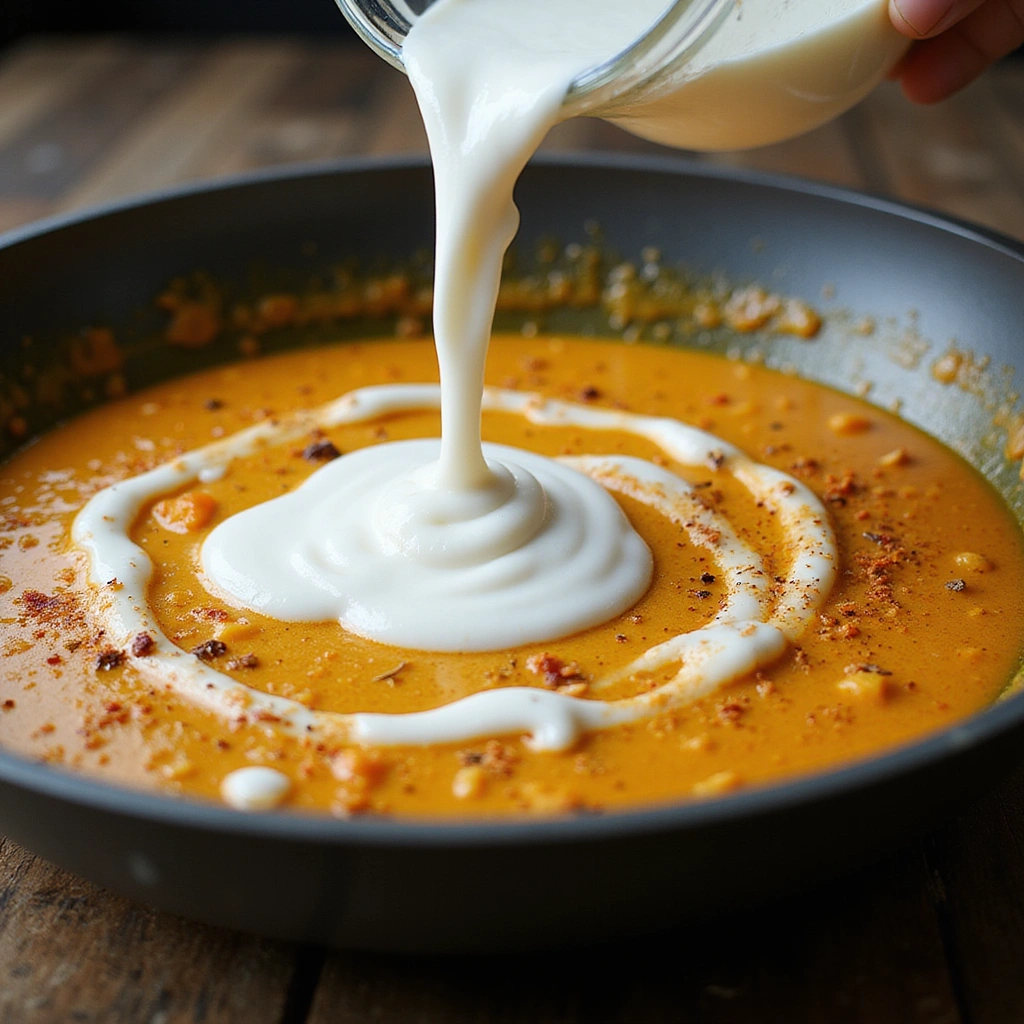
Pour in the coconut milk, stirring it into the spice mixture.
Allow the curry to simmer for about 5 minutes.
You should notice the sauce thickening slightly and becoming creamy.
This adds richness and balances the spices.
Step 7: Add Marinated Fish
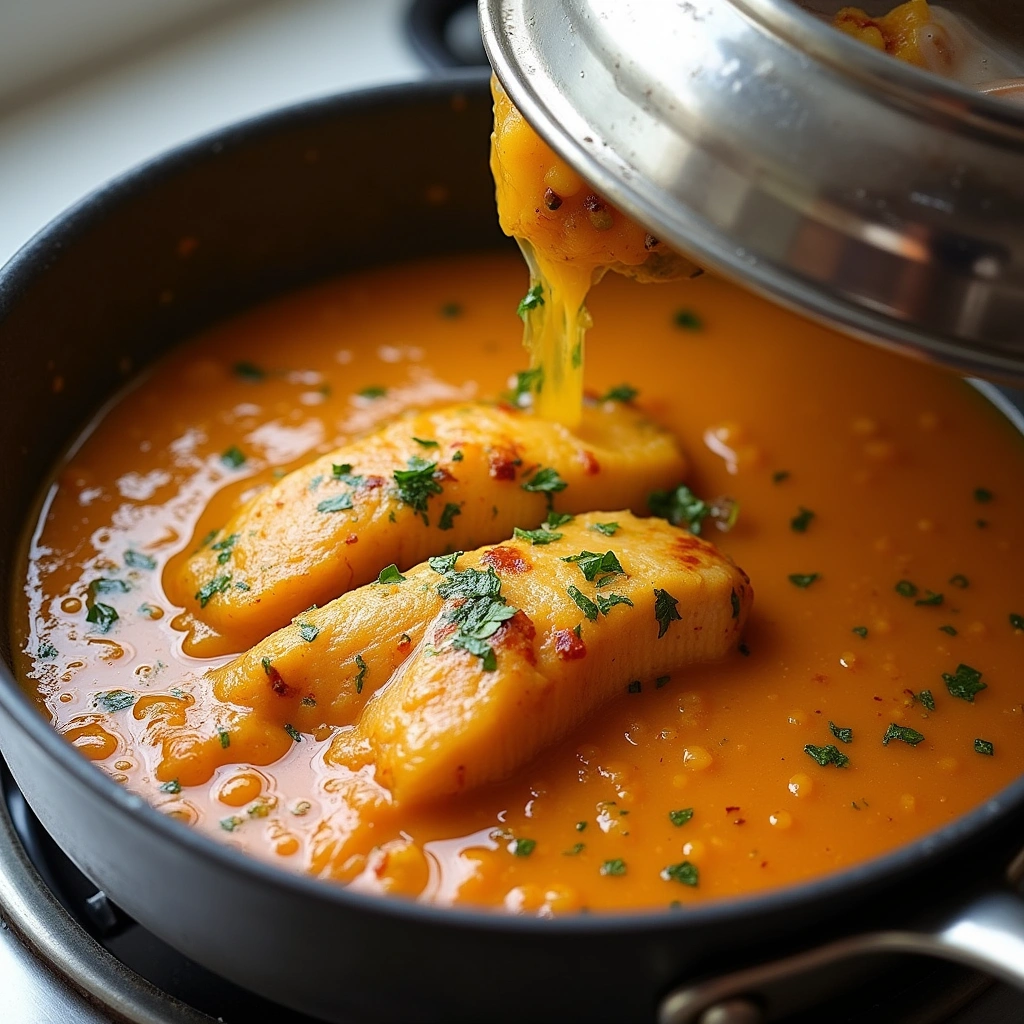
Gently add the marinated fish pieces into the curry.
Cover the pan and let it simmer for about 10 minutes until the fish is cooked through.
Avoid stirring too much to prevent the fish from breaking apart.
You know it’s ready when the fish is opaque and flakes easily.
Step 8: Finish with Lime Juice and Garnish
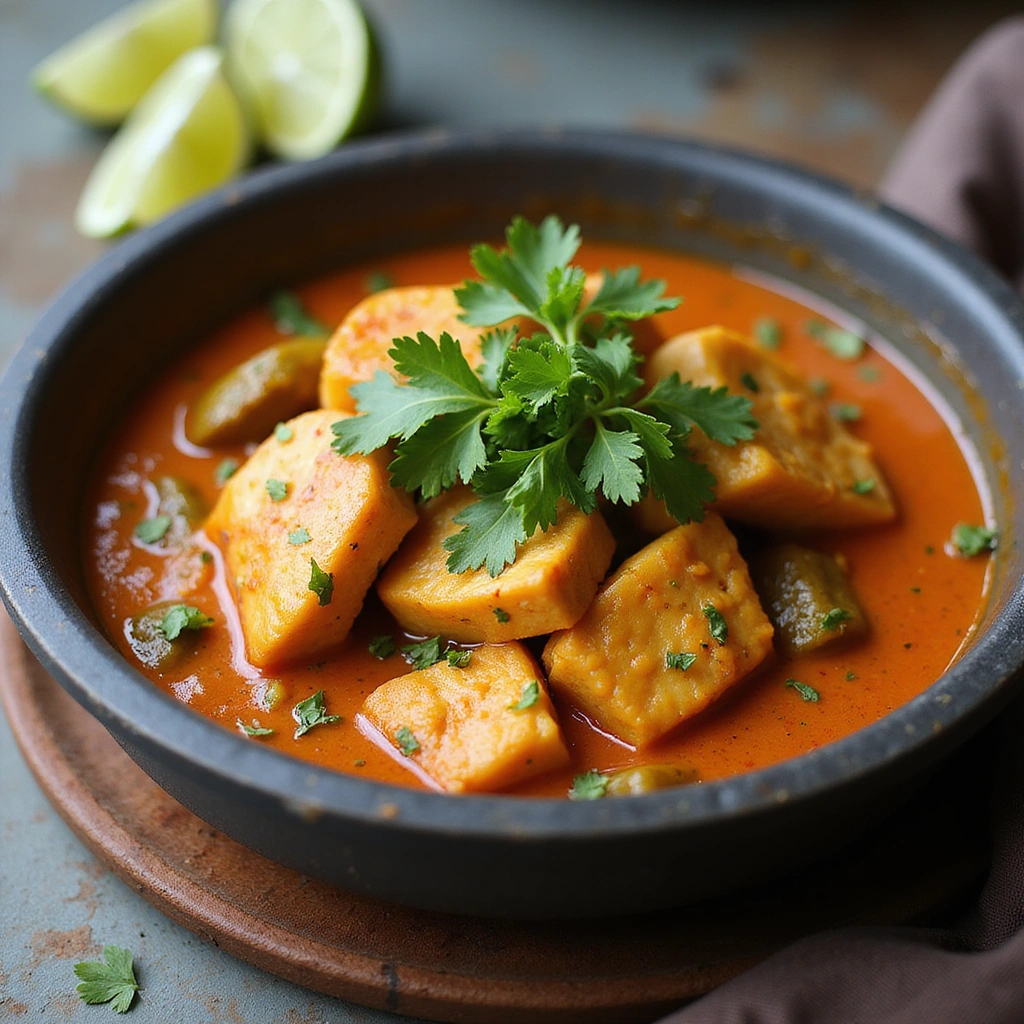
Once the fish is cooked, add lime juice to the curry for a bright finish.
Stir gently to combine, and remove from heat.
Garnish with freshly chopped coriander just before serving.
This adds a fresh pop of color and flavor.
Critical Timing and Temperature Guide
Cooking Onions: Sauté onions until golden brown, about 8-10 minutes on medium heat. Look for a deep golden color and sweet aroma. Avoid high heat to prevent burning.
Simmering the Fish: Add fish and simmer for 10 minutes. The fish should be opaque and flake easily when done. Avoid overcooking to prevent dryness.
Final Flavor Adjustments: Add lime juice at the end of cooking. This brightens the dish and enhances flavors. Taste before serving to adjust seasoning if necessary.
Pro Tips for Tamil Nadu Fish Curry Recipes Traditional & Spicy
• Ingredient Selection: Choose the freshest fish available, preferably local varieties like seer fish or pomfret for best results.
• Preparation Secret: Try adding a pinch of sugar to balance the acidity of tomatoes for a more rounded flavor.
• Temperature Management: Ensure your pan is hot before adding onions to achieve the perfect sauté without steaming.
• Texture Enhancement: For a creamier curry, blend a portion of the sauce and mix it back into the pan before adding fish.
• Flavor Layering: Don’t rush the sautéing of onions; this caramelization is key to a rich flavor base.
• Make-Ahead Strategies: Prepare the curry base in advance and store it in the fridge; add fish just before serving.
• Restaurant-Quality Finishing Touches: Drizzle with coconut cream and serve with a wedge of lime for an elegant presentation.
• Equipment Optimization: Use a heavy-bottomed pan to prevent scorching and ensure even cooking.
Troubleshooting Common Issues
• Fish Overcooked: Overcooking can result in dry fish. To avoid this, monitor closely as fish cooks and remove from heat once opaque and flaky.
• Too Spicy: If the curry is too spicy, balance it with a little sugar or additional coconut milk to mellow the heat.
• Flavor Lacking Depth: If the flavor is not robust, consider adding more spices or a splash of fish sauce for umami.
• Too Thin Consistency: If the curry is too thin, simmer uncovered for a few more minutes to reduce the sauce.
• Unpleasant Fishy Taste: Ensure to marinate the fish adequately and use fresh ingredients to enhance flavor and reduce any fishy odor.
Variations and Regional Differences
• Karaikudi Style: This variation includes the use of roasted spices and a touch of tamarind for tanginess. It reflects the local taste preferences of the Chettinad region.
• Chettinad Fish Curry: Known for its bold spices, this version uses a blend of freshly ground spices and coconut, with an emphasis on heat and flavor complexity.
• Coastal Andhra Style: This variation incorporates curry leaves and different fish varieties, often featuring a thicker, richer gravy.
• Modern Interpretations: Some chefs are now using alternative ingredients like tofu or plant-based fish to cater to vegetarian diets while maintaining the essence of the dish.
Food Science Behind the Recipe
• Emulsification: The combination of coconut milk and spices forms an emulsion that creates a smooth, creamy texture in the curry. Understanding this process helps achieve the perfect consistency.
• Maillard Reaction: The browning of onions during sautéing is a result of the Maillard reaction, which adds depth and richness to the flavor profile. This reaction is crucial for developing a complex taste.
• Flavor Compounding: Layering spices at different stages of cooking enhances the overall flavor of the dish. This principle is key to achieving a well-rounded and satisfying curry.
Frequently Asked Questions
What’s the most common mistake people make when preparing Tamil Nadu Fish Curry? The most common mistake is overcooking the fish, which can lead to dryness. Monitor closely during cooking and remove once opaque.
Can I prepare components of this dish in advance? Yes, you can prepare the curry base a day ahead and store it in the refrigerator. Add fish just before serving for best results.
How do I adapt this recipe for dietary restrictions? For a dairy-free option, ensure to use coconut milk and adjust spices according to taste. For gluten-free, all ingredients used are naturally gluten-free.
What’s the best way to store and reheat leftovers? Store leftovers in an airtight container in the refrigerator for up to 3 days. Reheat gently on the stove over low heat to preserve texture.
Can I freeze this dish? Yes, you can freeze the curry without the fish. Thaw in the refrigerator overnight and add fresh fish when reheating.
What wine or beverages pair best with this dish? A crisp white wine, like Sauvignon Blanc, complements the spiciness of the curry beautifully. Alternatively, a light lager can be refreshing.
How can I scale this recipe up for a crowd? To scale up, simply multiply the ingredients by the number of servings desired while ensuring to use a larger pot for cooking.
What side dishes complement this recipe best? Serve with steamed basmati rice or dosa to soak up the delicious curry sauce, along with a side of vegetable raita for cooling balance.
How do professional chefs elevate this dish for restaurant service? Chefs often use garnishes like microgreens or edible flowers and serve in stylish bowls to enhance presentation.
Serving and Presentation Guide
• Traditional Presentation: Serve the curry in a traditional brass or clay bowl, garnished with fresh coriander. Accompany with fluffy white rice on the side.
• Modern Plating Ideas: Use a shallow white plate, carefully placing the fish in the center, with a drizzle of coconut milk and a sprinkle of chili for color.
• Accompaniment Suggestions: Offer coconut chutney, pickles, and a side of steamed vegetables for a complete meal.
• Special Occasion Presentation: For celebrations, consider using a decorative thali with small bowls for side dishes and a centerpiece of the fish curry, adorned with lime wedges.
Conclusion
Tamil Nadu Fish Curry is not just a dish; it’s a celebration of flavors and culture.
I encourage you to try this recipe and experience the warmth of Tamil cuisine in your own kitchen.
With its rich history and delightful taste, this curry is sure to become a family favorite.