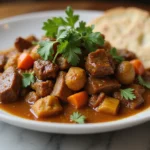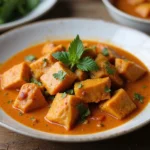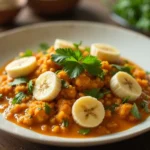
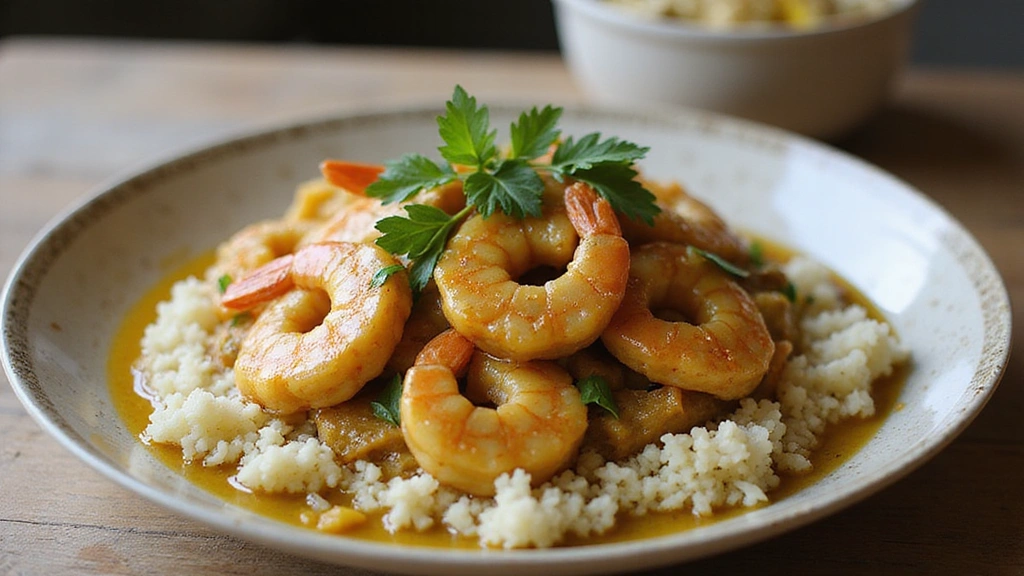
Green Curry Shrimp is a delightful dish that transports your taste buds to the vibrant streets of Thailand.
Its rich, aromatic flavors blend perfectly with the sweetness of shrimp, creating a dish that feels both indulgent and fresh.
I first tasted this dish at a bustling night market, where the fragrant spices filled the air, and the vibrant colors of the ingredients caught my eye.
Whether you’re looking for a quick weeknight meal or a dish to impress guests at a dinner party, this recipe delivers on all fronts.
The History and Cultural Significance
• Green Curry Shrimp traces its origins to Thailand, where it was originally created by local chefs using fresh, aromatic herbs and spices.
• The dish evolved over decades as the availability of ingredients changed, incorporating coconut milk and various seafood options, eventually becoming the beloved version we know today.
• In Thai culture, this dish traditionally appears at festive occasions and family gatherings, symbolizing unity and celebration.
• While many variations exist across different regions, the authentic version maintains the use of fresh herbs like basil and cilantro, which set it apart from imitations.
Recipe Overview
Nutritional Information (per serving)
Ingredients
Essential Equipment Guide
Wok: A wok is essential for achieving the high heat needed to quickly cook the shrimp and vegetables, which helps retain their texture. Look for a heavy-bottomed wok for even heat distribution, and consider a non-stick option for easier cleaning.
Blender: A blender is crucial for making a smooth green curry paste. If you don’t have a high-powered blender, a food processor can work as well, but be sure to blend the ingredients thoroughly to avoid chunks in your sauce.
Measuring Cups and Spoons: Precise measurements are important in this recipe to balance the flavors. Invest in a good set of measuring cups and spoons to ensure accuracy, especially when it comes to spices.
Preparation Methods
Making Green Curry Paste: If you’re making your own green curry paste, blend fresh green chilies, garlic, shallots, lemongrass, and shrimp paste until smooth. This technique is essential for capturing the vibrant flavors of traditional Thai cuisine. Use a mortar and pestle for a more authentic texture, if desired.
Cooking Shrimp Perfectly: To cook the shrimp, add them to the hot curry base and cook just until they turn pink. This typically takes 3-5 minutes. Overcooking can lead to rubbery shrimp, so keep an eye on them and remove them from heat as soon as they’re opaque.
Balancing Flavors: Taste your curry before serving and adjust the seasoning with fish sauce, sugar, or lime juice as needed. This step is crucial as it allows you to achieve the perfect balance of sweet, salty, and tangy flavors that define a great green curry.
Step 1: Prepare Ingredients
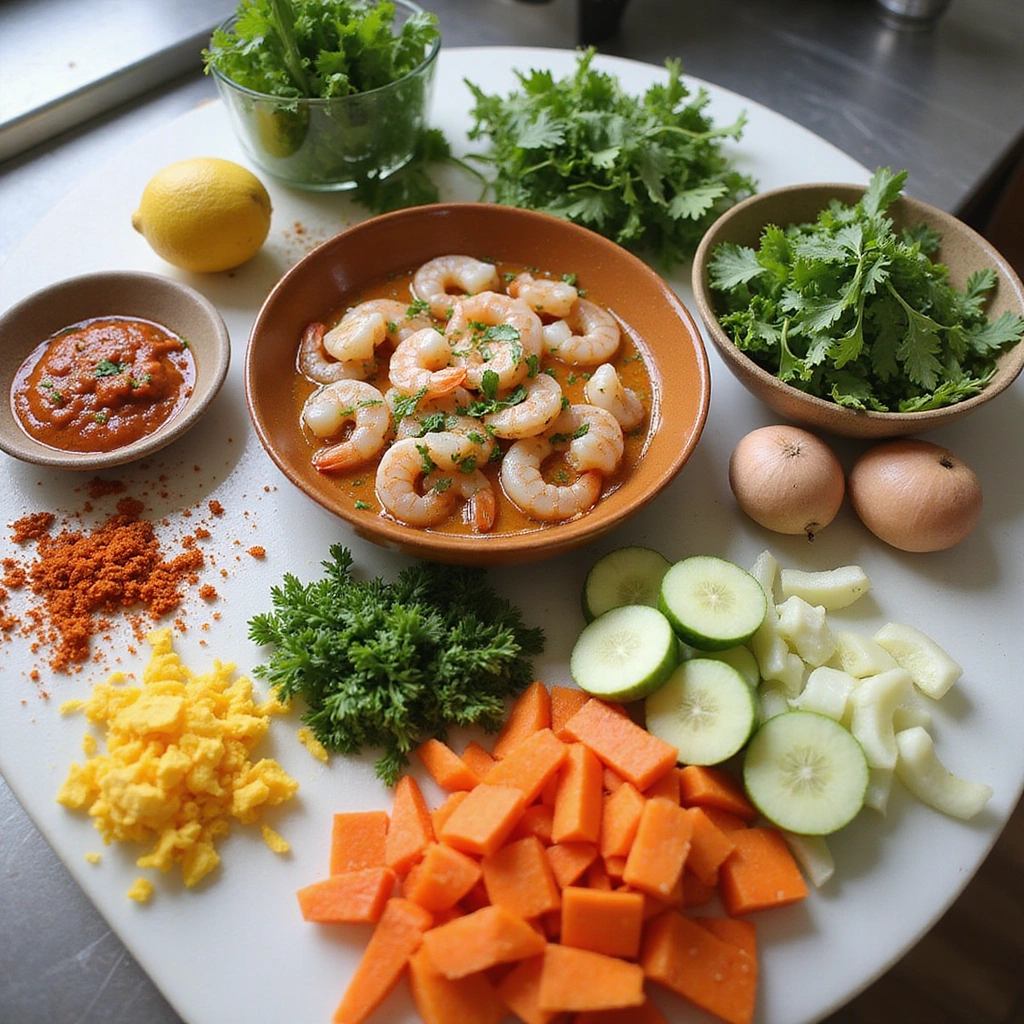
Gather all the ingredients listed in the recipe.
Wash and chop the vegetables as specified, ensuring uniform sizes for even cooking.
Peel and devein the shrimp if not already done.
This preparation step sets the foundation for a smooth cooking process.
Step 2: Heat the Wok
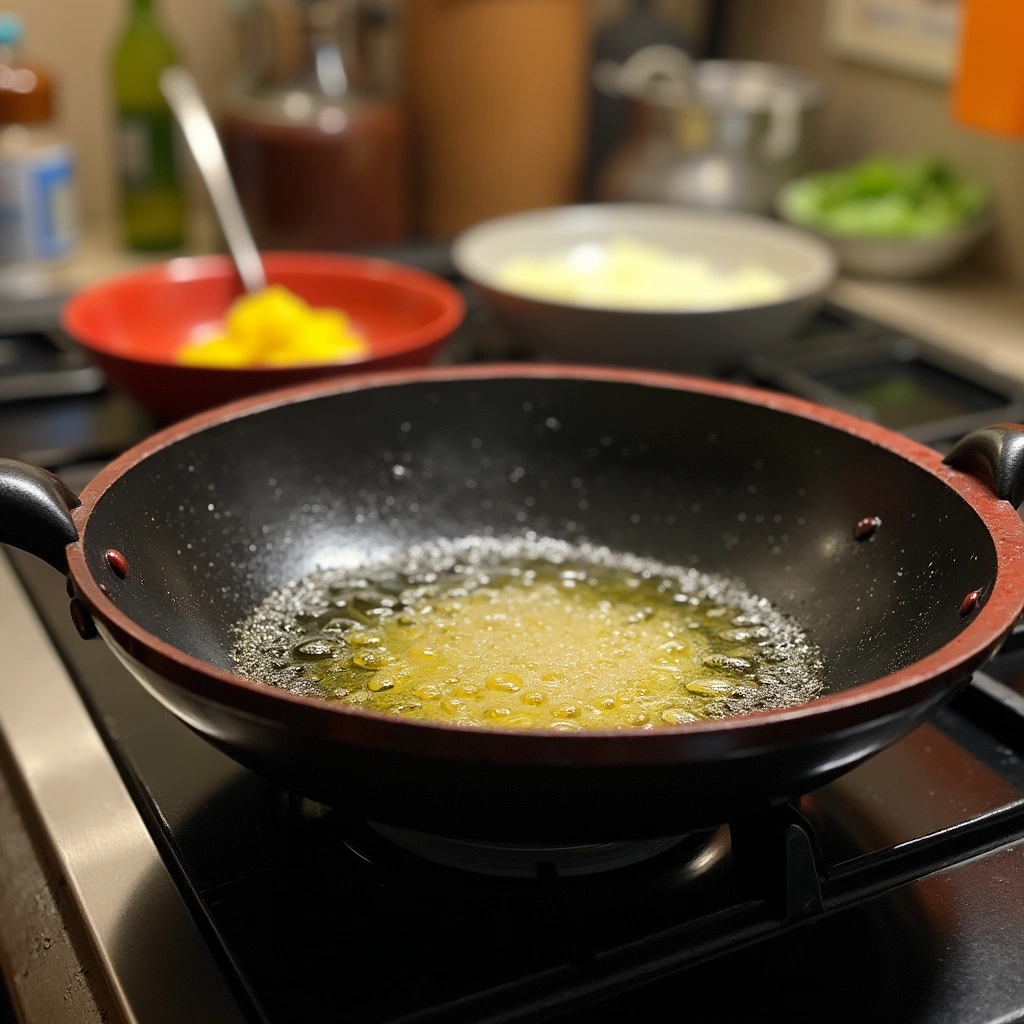
Place the wok over medium-high heat and add the vegetable oil.
Allow the oil to heat until it shimmers, indicating it’s ready for cooking.
This step is crucial for achieving a good sauté without sticking.
Swirl the oil around to coat the surface evenly before adding the curry paste.
Step 3: Add Curry Paste
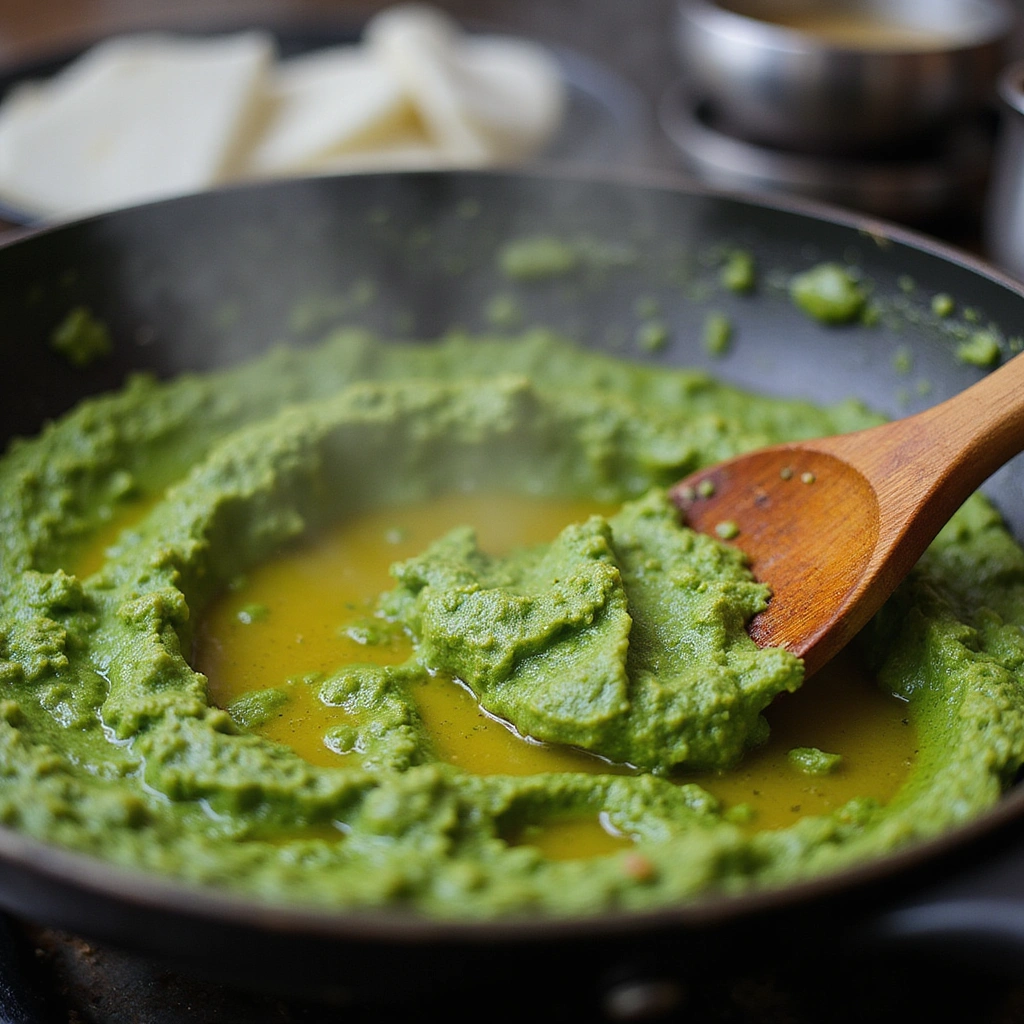
Add the green curry paste to the hot wok and stir-fry for about 1-2 minutes.
Look for the paste to become fragrant and slightly darker in color.
This step helps to release the essential oils and flavors from the paste.
Continue stirring to prevent burning and ensure even cooking.
Step 4: Pour in Coconut Milk
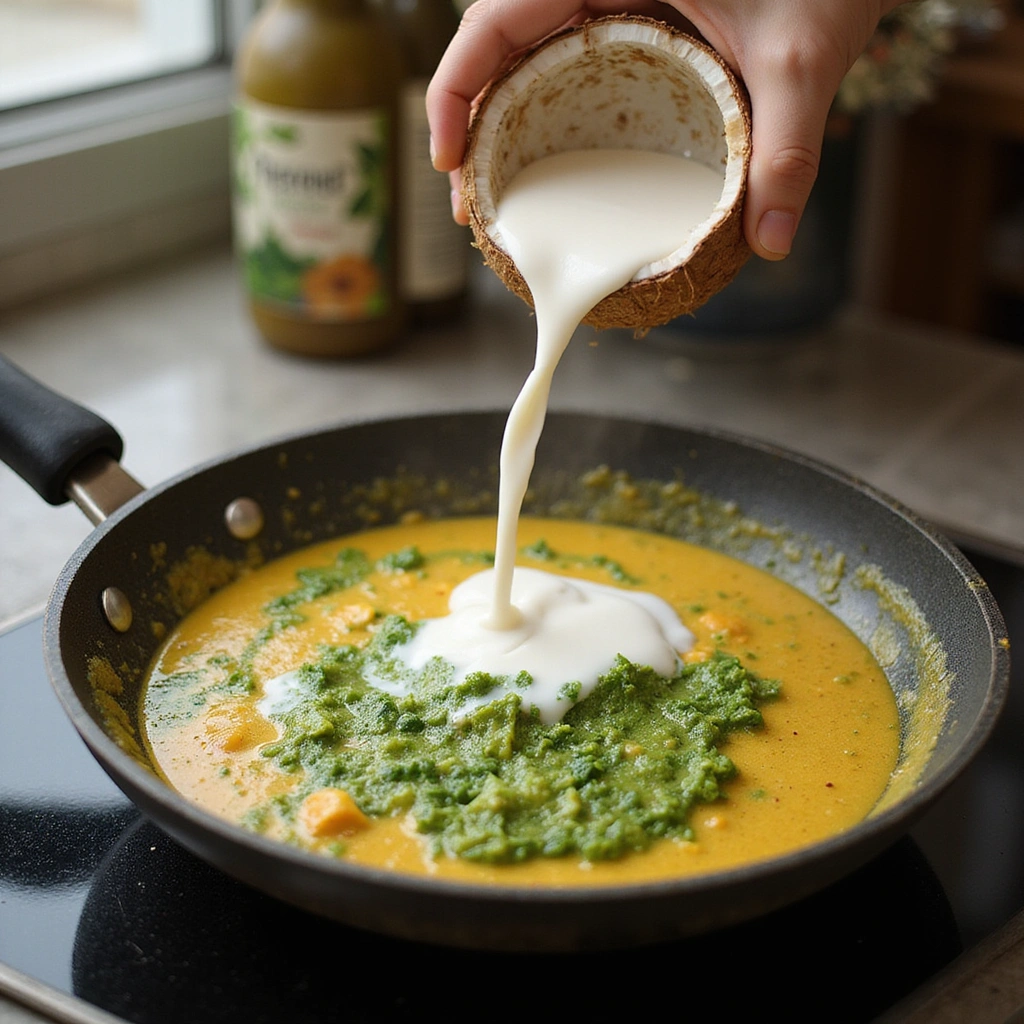
Slowly pour in the coconut milk while stirring to combine it with the curry paste.
Watch for the mixture to become creamy and well-blended.
This step adds richness to the curry, balancing out the spices.
Make sure to scrape the bottom of the wok to incorporate all the flavors.
Step 5: Add Shrimp and Vegetables
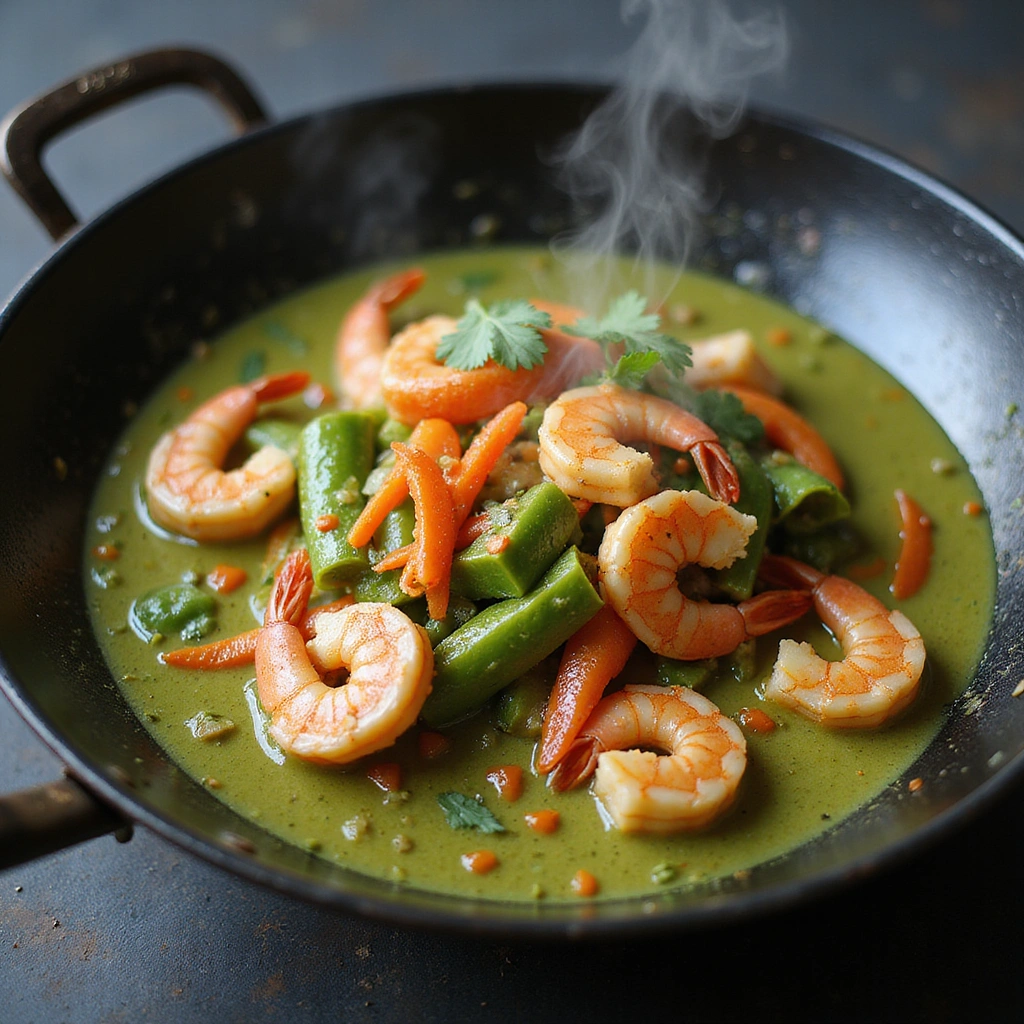
Add the shrimp and chopped vegetables to the wok, stirring well to coat everything in the curry sauce.
Cook for about 5-7 minutes until the shrimp turn pink and the vegetables are tender-crisp.
Keep the heat high for a quick cook, which maintains the freshness of the vegetables.
Stir regularly to ensure even cooking and prevent sticking.
Step 6: Season the Curry
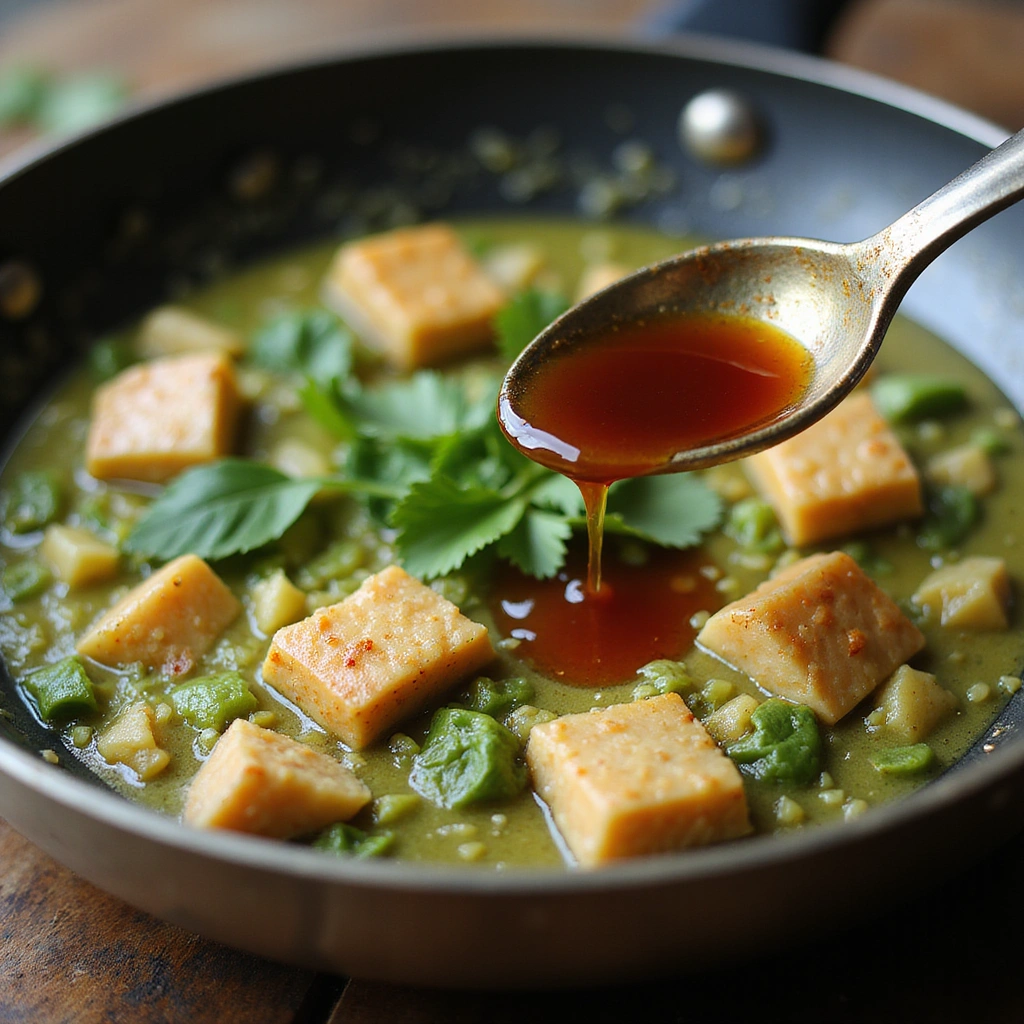
Add fish sauce, brown sugar, and lime juice to the wok, stirring to incorporate.
Taste the curry and adjust the seasoning if necessary, adding more fish sauce or lime juice for balance.
This step is key to achieving the perfect flavor profile.
Look for a harmonious blend of sweet, salty, and tangy flavors.
Step 7: Garnish and Serve
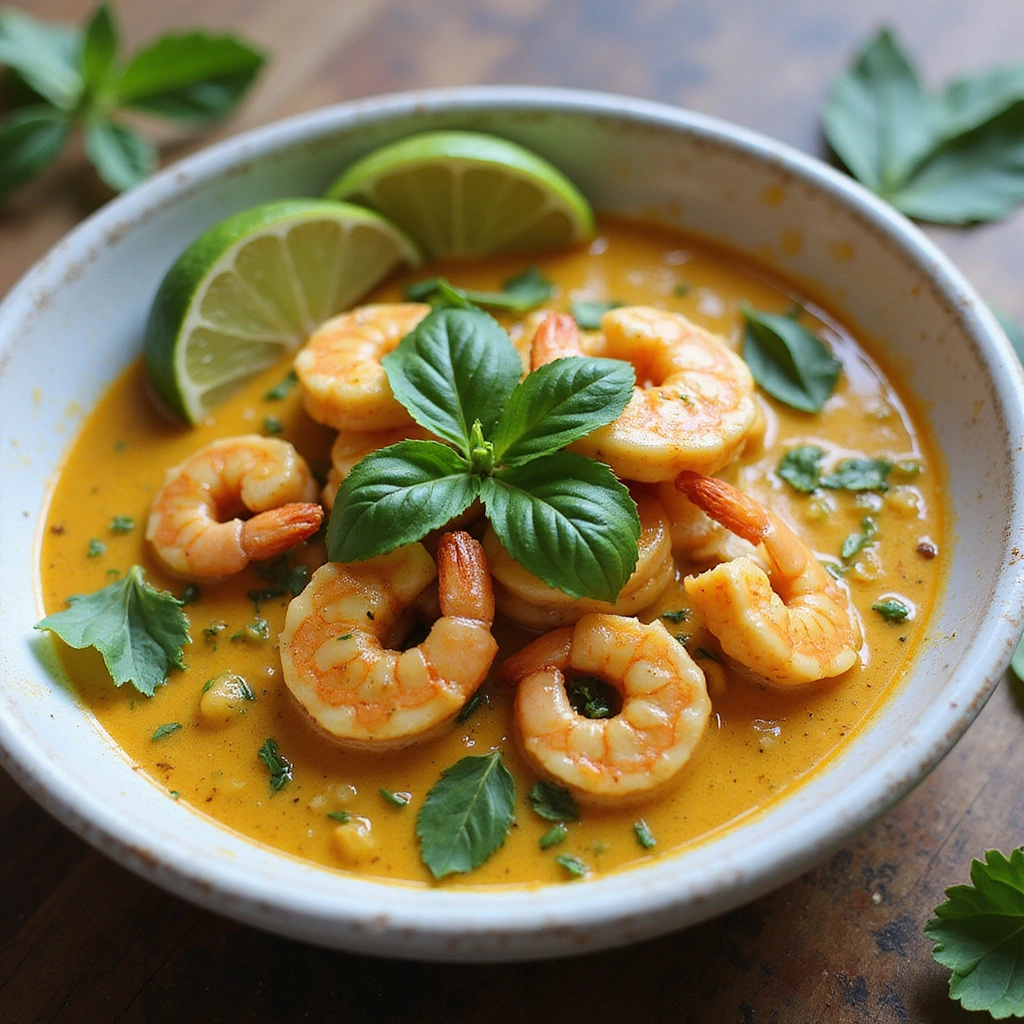
Remove the wok from heat and stir in fresh basil just before serving.
This adds a burst of freshness and aromatic flavor to the dish.
Serve the Green Curry Shrimp in bowls, garnished with lime wedges.
This presentation enhances the dish’s appeal and encourages diners to enjoy the flavors.
Critical Timing and Temperature Guide
Sautéing Curry Paste: Heat the wok for 2-3 minutes before adding the paste. Look for the paste to darken slightly and emit a fragrant aroma. Avoid burning by stirring continuously.
Cooking Shrimp: Cook shrimp for 3-5 minutes until they are opaque. They should be bright pink and curled. Overcooking will make them rubbery, so watch closely.
Vegetable Texture: Aim for tender-crisp vegetables, which usually takes about 5-7 minutes. They should retain vibrant color and some crunch. If they become mushy, they’ve been overcooked.
Pro Tips for Green Curry Shrimp
• Ingredient Selection: Use fresh shrimp and high-quality coconut milk to enhance flavor and texture.
• Preparation Secret: Marinate shrimp briefly in lime juice before cooking for added tenderness and flavor.
• Temperature Management: Ensure all ingredients are at room temperature before starting to cook for even cooking.
• Texture Enhancement: Stir-fry vegetables quickly to retain their crunch and color.
• Flavor Layering: Add fish sauce gradually to find the perfect balance of savory umami.
• Make-Ahead Strategies: Prepare the curry paste and chop vegetables a day before for convenience.
• Restaurant-Quality Finishing Touches: Finish with a drizzle of coconut cream for a touch of elegance.
• Equipment Optimization: Use a heavy-bottomed wok to maintain high heat and prevent sticking.
Troubleshooting Common Issues
• Sauce Too Thin: This can occur if too little coconut milk is used. To fix it, simmer the sauce longer to reduce it or add a cornstarch slurry to thicken.
• Flavors Unbalanced: If the dish tastes bland, adjust with more fish sauce or lime juice gradually until satisfied. Tasting as you go is crucial.
• Vegetables Overcooked: If vegetables are mushy, reduce cooking time next time, adding them later in the process to maintain their texture.
• Shrimp Overcooked: If shrimp are rubbery, ensure to cook them just until pink and opaque, removing them immediately from the heat.
• Insufficient Spice: If the curry lacks heat, consider adding more green curry paste or fresh chilies for an extra kick.
Variations and Regional Differences
• Southern Thai Variation: In southern Thailand, dishes often include more seafood such as squid and mussels, enhancing the seafood flavor profile.
• Vegetarian Version: Substitute shrimp with tofu or vegetables like eggplant and bell peppers, retaining the same aromatic curry base for a plant-based version.
• Red Curry Alternative: Some prefer using red curry paste for a different flavor, which brings a richer and slightly sweeter profile.
• Modern Interpretations: Contemporary chefs often incorporate unique ingredients like avocado or butternut squash for a twist on the classic flavors.
Food Science Behind the Recipe
• Emulsification: The blending of coconut milk and curry paste creates an emulsion, which is crucial for a creamy texture and balanced flavor profile.
• Maillard Reaction: Searing the shrimp quickly in high heat develops complex flavors through this reaction, enhancing the overall taste of the dish.
• Acidity Balance: The addition of lime juice at the end brightens the dish, balancing the richness of the coconut milk and enhancing the overall flavor.
Frequently Asked Questions
What’s the most common mistake people make when preparing Green Curry Shrimp? Overcooking the shrimp is the top mistake, leading to a rubbery texture. Monitor them closely, cooking just until pink and opaque.
Can I prepare components of this dish in advance? Yes, you can make the curry paste and chop vegetables a day ahead. Store them in airtight containers in the fridge.
How do I adapt this recipe for dietary restrictions? For gluten-free, ensure your fish sauce is gluten-free. To make it dairy-free, use coconut milk as instructed.
What’s the best way to store and reheat leftovers? Store leftovers in an airtight container in the fridge for up to 3 days. Reheat gently on the stovetop, adding a splash of coconut milk to restore creaminess.
Can I freeze this dish? Yes, you can freeze the curry without shrimp for up to 2 months. Thaw in the fridge and add fresh shrimp before reheating.
What wine or beverages pair best with this dish? A chilled Sauvignon Blanc complements the aromatic spices and richness of the dish beautifully.
How can I scale this recipe up for a crowd? To scale, simply multiply the ingredients by the number of servings desired, ensuring to maintain the same cooking techniques and timing.
What side dishes complement this recipe best? Jasmine rice or coconut rice pairs perfectly with Green Curry Shrimp, balancing the flavors of the dish.
How do professional chefs elevate this dish for restaurant service? Chefs often add a touch of garnishing with microgreens or edible flowers for an elegant finish.
Serving and Presentation Guide
• Traditional Presentation: Serve in a shallow bowl with a generous amount of sauce, garnished with fresh basil and lime wedges for a vibrant look.
• Modern Plating Ideas: Use a large plate and create a ring with rice, placing the curry in the center for an artistic appearance.
• Accompaniment Suggestions: Offer steamed jasmine rice or a simple cucumber salad to balance the meal.
• Special Occasion Presentation: Consider serving in individual bowls with a decorative garnish of edible flowers and a drizzle of coconut cream for an upscale touch.
Conclusion
I hope you enjoy making Green Curry Shrimp as much as I do.
This dish is not just a meal; it’s a celebration of flavors that brings a taste of Thailand to your home.
Give it a try, and let the aromatic spices create a delightful experience for you and your loved ones.