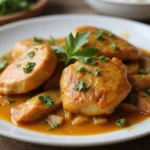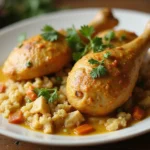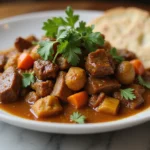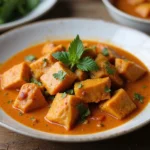
Curry Chicken and Rice is a dish that transcends borders and brings warmth to every table.
With its fragrant spices and tender chicken enveloped in a luscious sauce, this meal is a true comfort food classic.
I first tasted this delightful dish during a family gathering, where the rich aromas filled the air and brought everyone together around the dinner table.
Whether it’s a weeknight dinner or a festive occasion, this recipe guarantees a satisfying experience that will leave everyone asking for seconds.
The History and Cultural Significance
• Curry Chicken and Rice recipes trace their origins to South Asia, where spices are a cornerstone of culinary tradition.
• The dish evolved over decades as trade routes expanded, introducing new spices and cooking methods, eventually becoming the beloved version we know today.
• In Indian and Caribbean cultures, this dish traditionally appears at festive occasions and family gatherings, symbolizing unity and hospitality.
• While many variations exist across different regions, the authentic version maintains a balance of spices and creaminess that sets it apart from imitations.
Recipe Overview
Nutritional Information (per serving)
Ingredients
Essential Equipment Guide
Heavy-bottomed Pot: This tool is crucial for even heat distribution, preventing the chicken from burning while allowing the flavors to meld beautifully. Look for pots that are oven-safe for versatility.
Wooden Spoon: Essential for stirring ingredients without scraping the pot’s surface. A sturdy wooden spoon allows for better control while sautéing and mixing spices.
Measuring Cups and Spoons: Precision is key in achieving the right balance of spices. Invest in a set of measuring tools that are easy to read and durable.
Preparation Methods
Sautéing: This technique involves cooking food quickly in a small amount of oil over high heat. It’s essential for releasing the flavors of the spices and aromatics. Ensure your pan is hot enough before adding ingredients for optimal results.
Simmering: This gentle cooking method allows flavors to develop without boiling. It’s crucial for tenderizing the chicken and melding the spices. Keep an eye on the heat to avoid overcooking.
Layering Flavors: Adding ingredients at different times during cooking helps build a complex flavor profile. Start with aromatic vegetables before adding spices, and finish with fresh herbs to brighten the dish.
Step 1: Prepare Ingredients
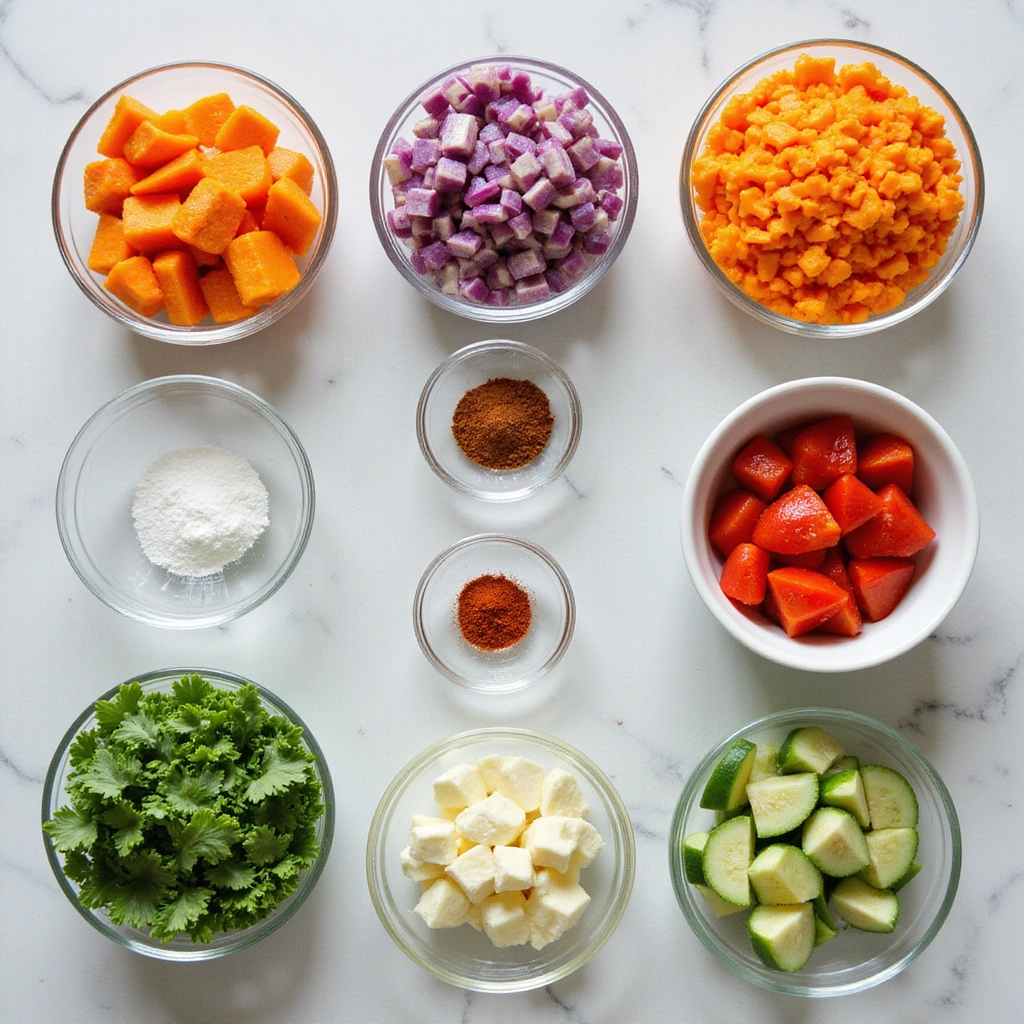
Gather all the ingredients and measure them out.
This ensures a smooth cooking process without interruptions.
Chop the onion, garlic, and ginger finely for maximum flavor release.
Have the chicken prepped and ready to go to streamline your cooking.
Step 2: Sauté Aromatics
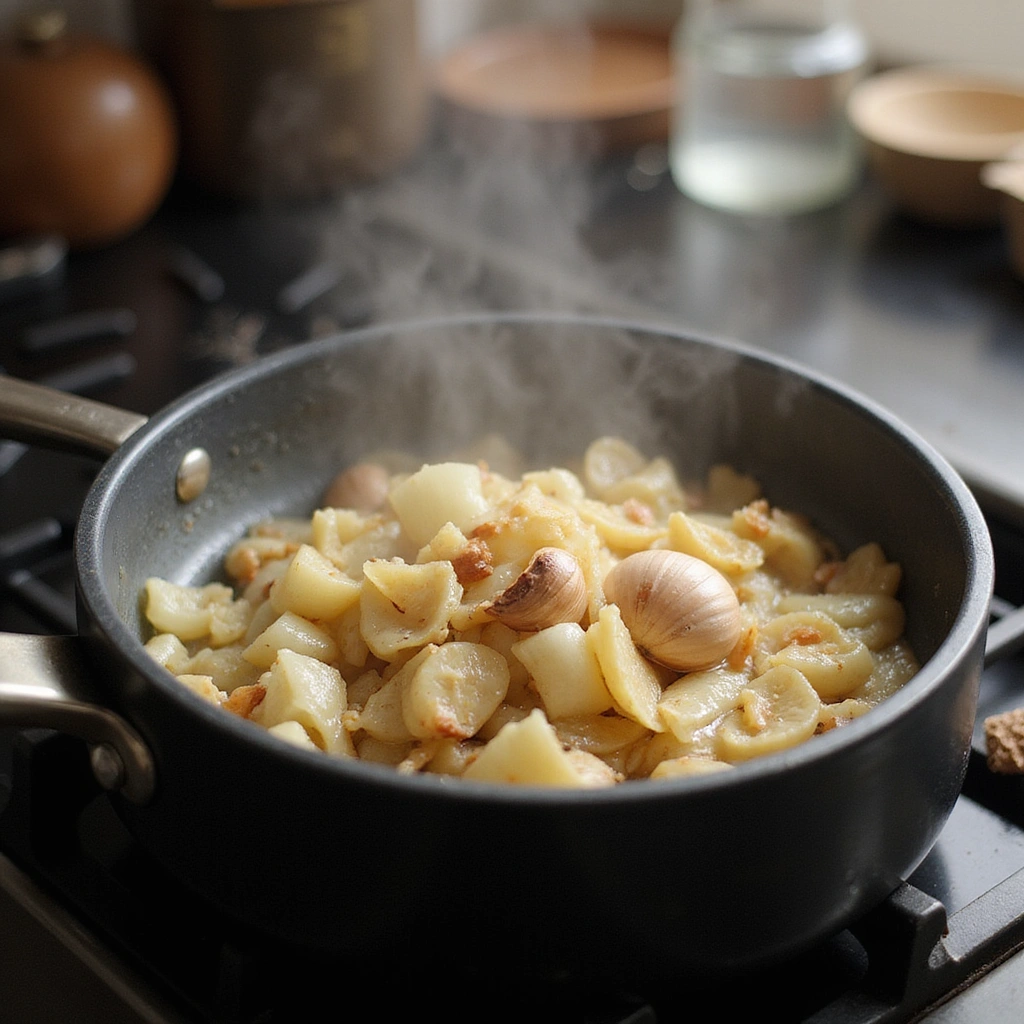
Heat oil in a heavy-bottomed pot over medium heat.
Add the chopped onion and sauté until translucent, about 5 minutes.
Stir in the garlic and ginger, cooking until fragrant, about 1 minute.
This step builds the foundation of flavor for your curry.
Step 3: Cook Chicken
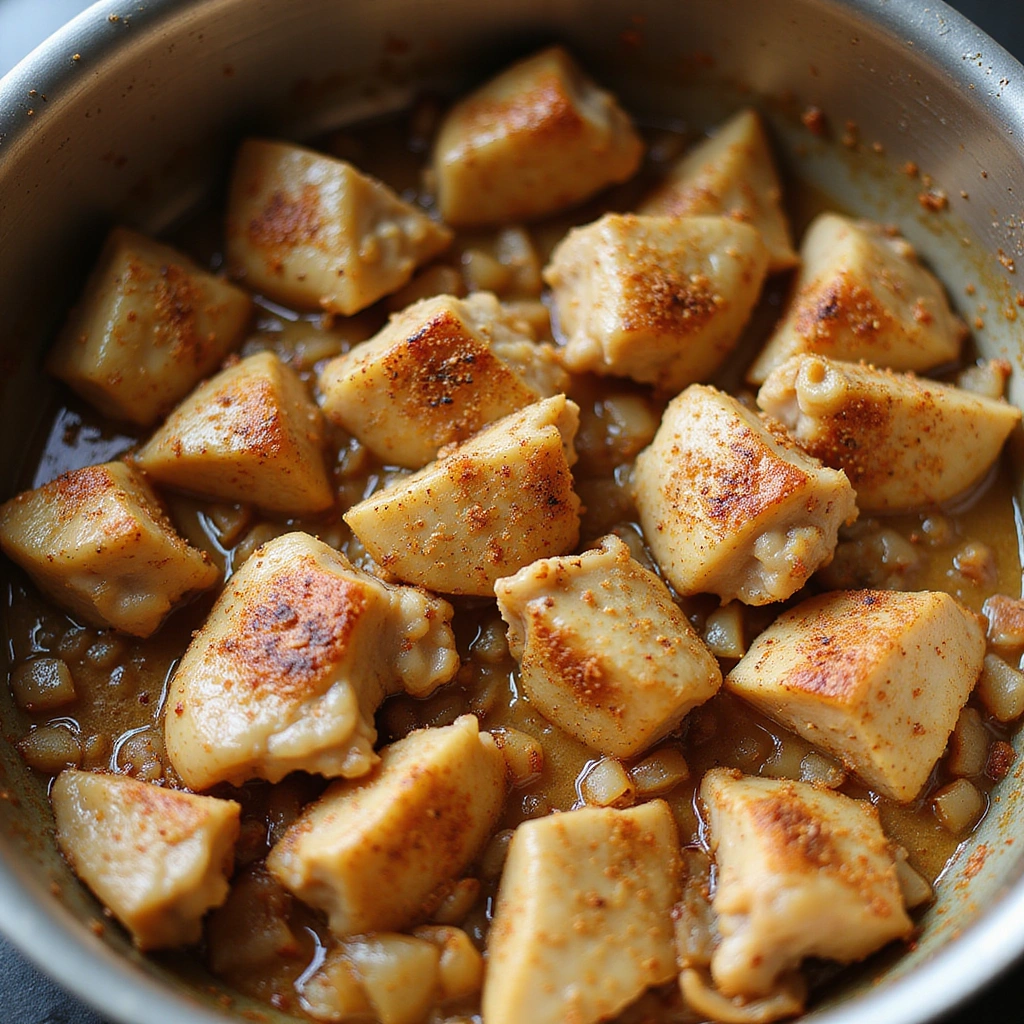
Add the chicken pieces to the pot, stirring to coat with the aromatic mixture.
Cook for about 7-10 minutes until the chicken is lightly browned on all sides.
Ensure the chicken is not overcrowded in the pot for even cooking.
Look for a slight caramelization for enhanced flavor.
Step 4: Add Spices
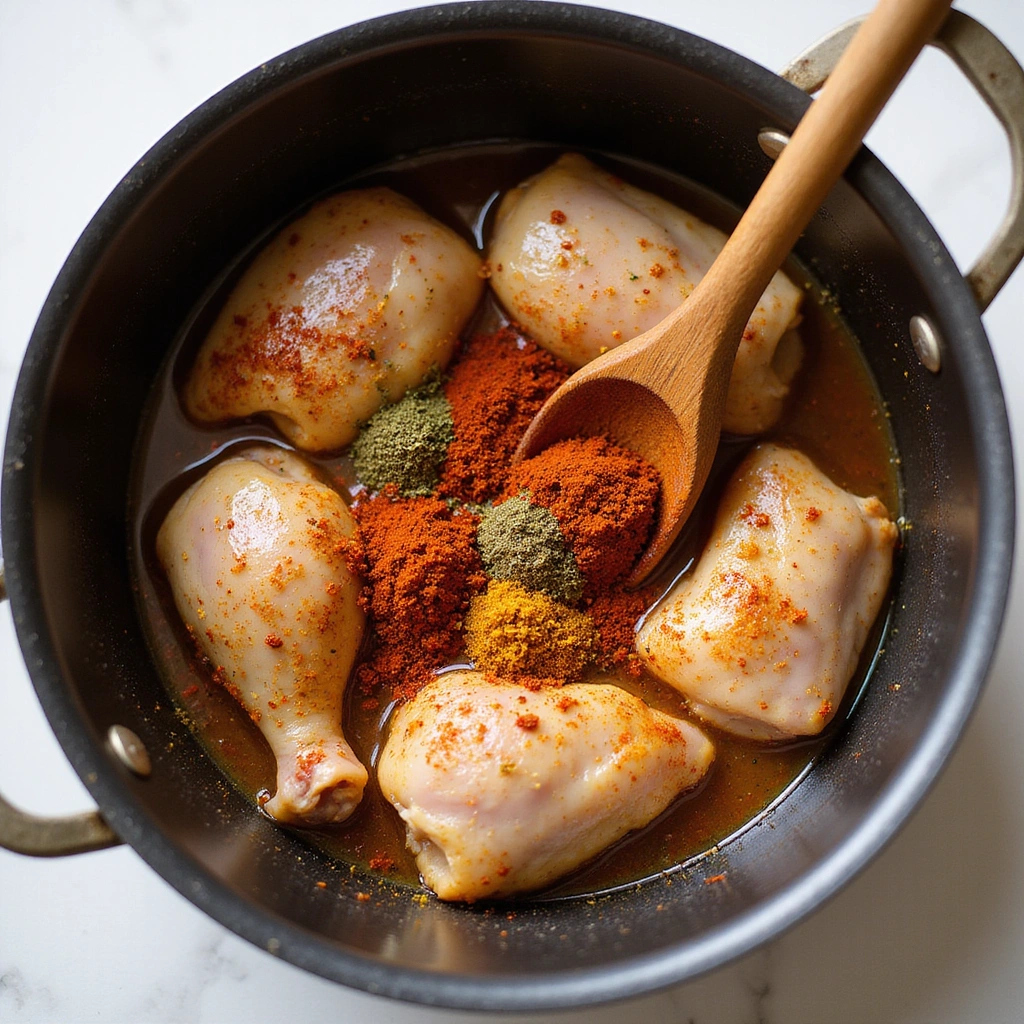
Sprinkle in the curry powder, salt, and black pepper, stirring well to combine.
Cook for another 2 minutes to toast the spices, enhancing their flavors.
This step is crucial for developing the depth of flavor in your curry.
Watch for the spices to darken slightly without burning.
Step 5: Pour in Coconut Milk
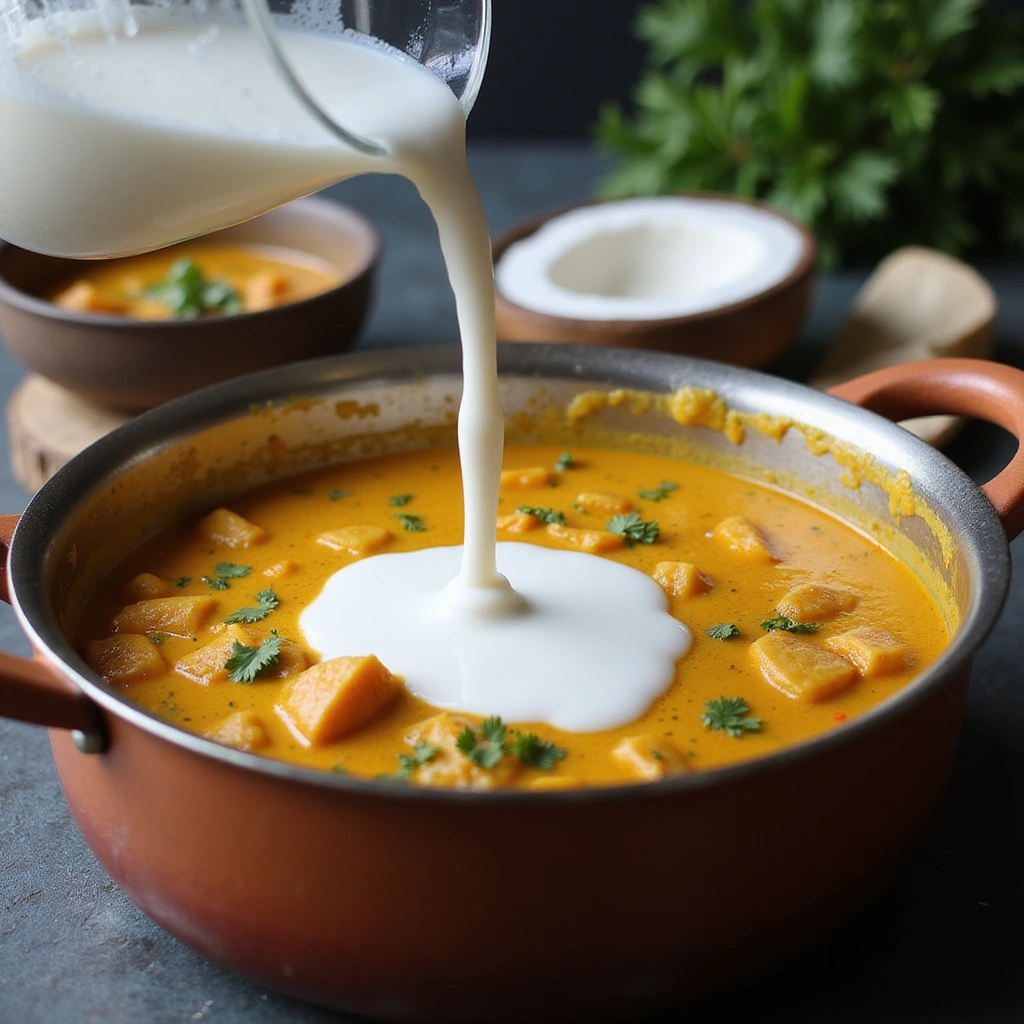
Add the coconut milk to the pot, stirring to combine all the ingredients.
Bring the mixture to a gentle simmer, allowing the flavors to meld.
This will create a creamy texture and rich flavor base for the dish.
Look for small bubbles on the surface to indicate simmering.
Step 6: Add Vegetables
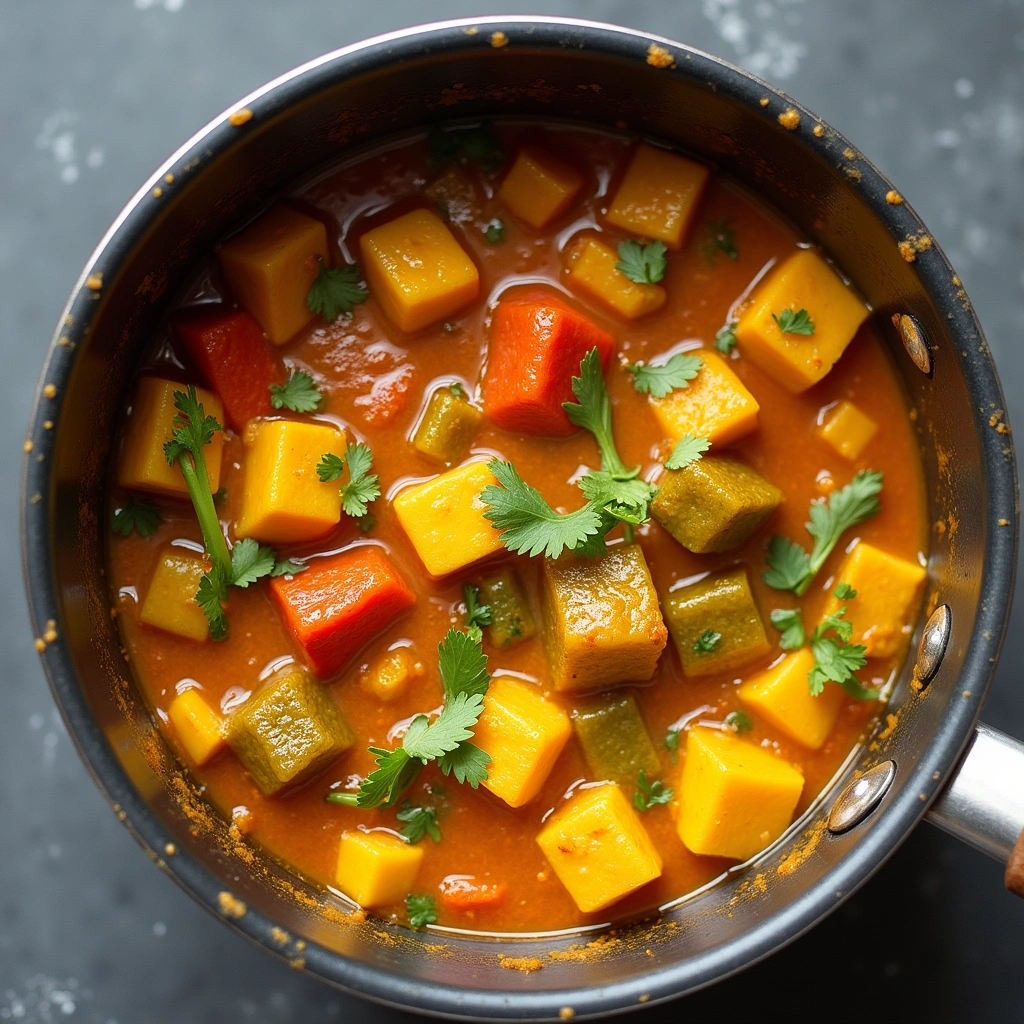
Stir in the diced bell pepper and peas, incorporating them into the sauce.
Simmer for about 10 minutes until the vegetables are tender.
This adds color and nutrition to the dish while balancing the richness of the curry.
Check for tenderness by piercing the vegetables with a fork.
Step 7: Cook Rice
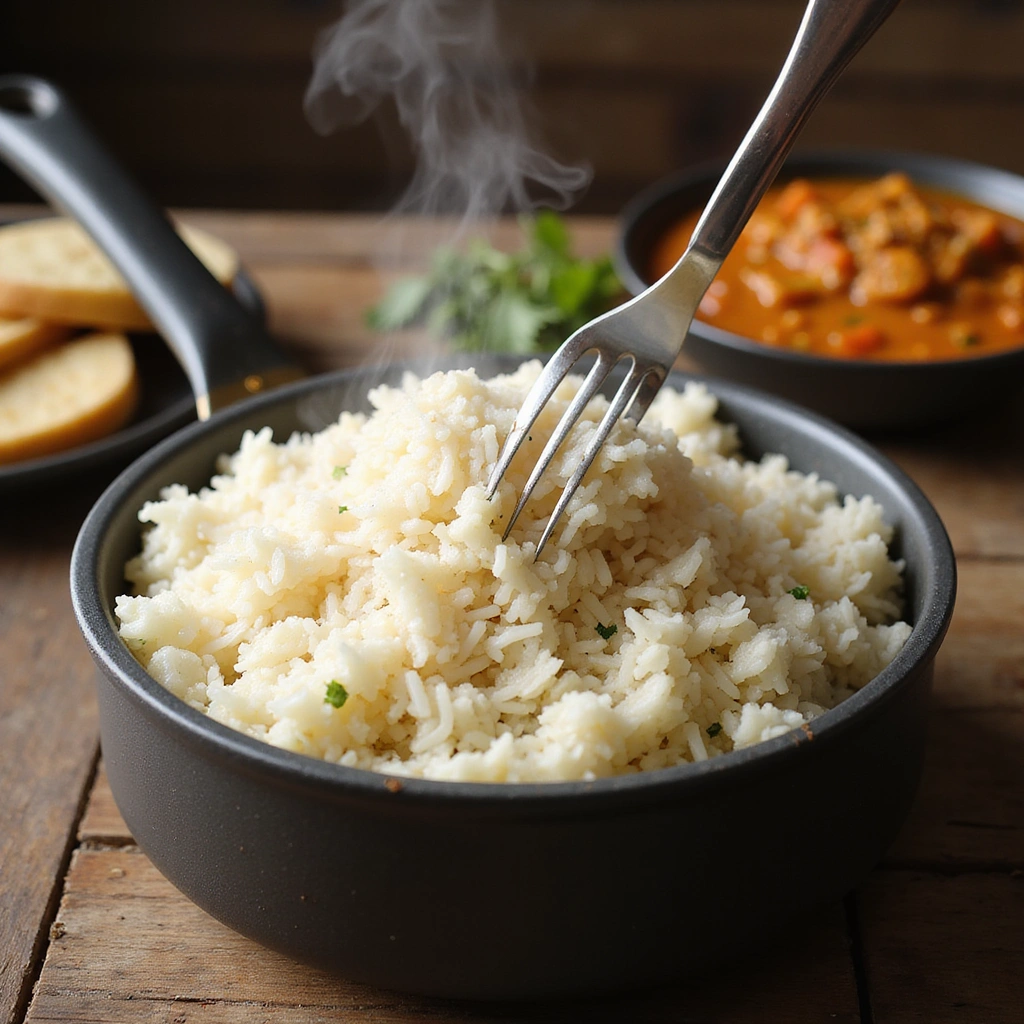
In a separate pot, bring 4 cups of water to a boil and add the soaked basmati rice.
Cook for about 15 minutes until the rice is fluffy and water is absorbed.
Fluff the rice with a fork to keep it light and airy.
Look for individual grains instead of clumps.
Step 8: Serve and Garnish
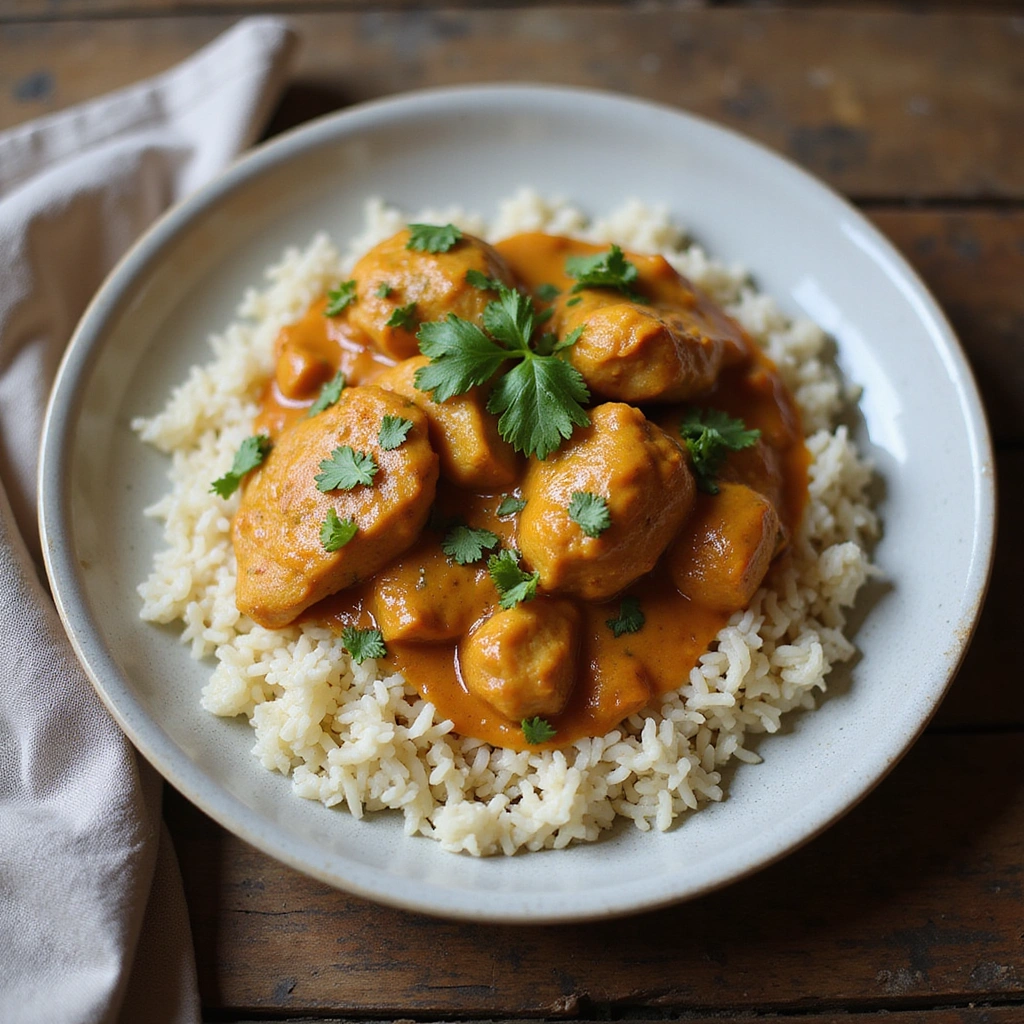
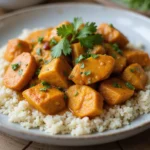
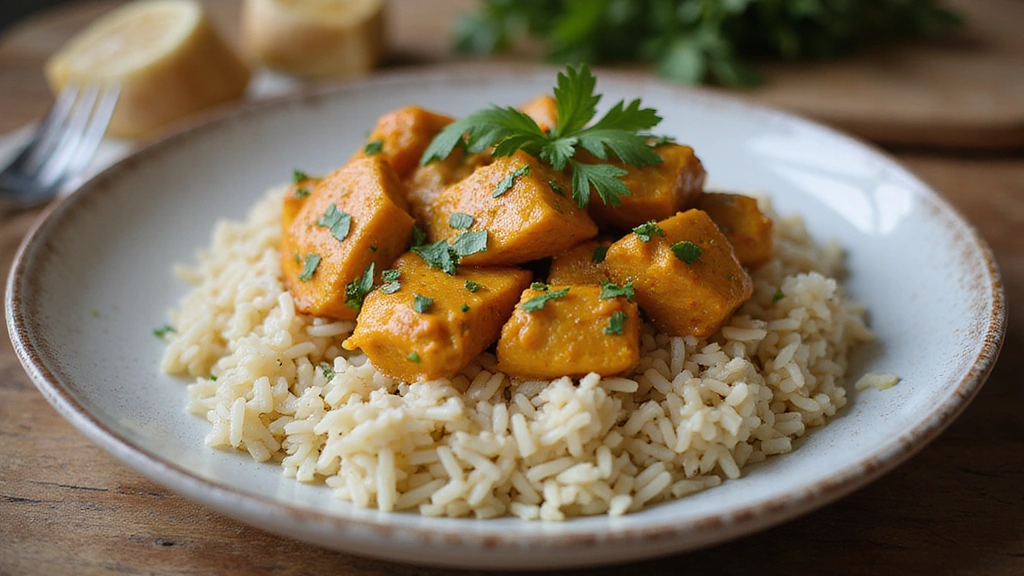
To serve, spoon the curry over a bed of rice on a plate.
Garnish with fresh cilantro for a pop of color and freshness.
Serve hot, allowing the flavors to shine through.
Enjoy the comforting aroma as you present the dish.
Critical Timing and Temperature Guide
Sautéing Aromatics: Sauté onions for about 5-7 minutes until translucent. Avoid burning them as it can lead to bitterness.
Simmering: Allow the curry to simmer for at least 20 minutes for flavors to meld. If you simmer too long, the chicken can become dry.
Cooking Rice: Boil the rice for about 15-18 minutes. Ensure it’s fully cooked without excess water for perfect texture.
Pro Tips for Curry Chicken And Rice Recipes For A Hearty Dinner
• Ingredient Selection: Use fresh spices and high-quality chicken for the best flavor. Fresh spices can elevate the dish significantly.
• Preparation Secret: Toast spices before adding them to the dish for deeper flavor.
• Temperature Management: Ensure your pot is hot enough before sautéing to achieve a nice sear.
• Texture Enhancement: Use basmati rice for its fluffy texture; avoid sticky rice types.
• Flavor Layering: Always add spices in stages to build complexity.
• Make-Ahead Strategies: Cook the chicken and sauce in advance and assemble before serving for easy preparation.
• Restaurant-Quality Finishing Touches: Drizzle with lime juice just before serving for a fresh twist.
• Equipment Optimization: A heavy-bottom pot is crucial for even heat distribution.
Troubleshooting Common Issues
• Texture Too Dense: This often happens when the sauce is overcooked or too much starch is added. Ensure to simmer gently and use less thickening agents.
• Flavors Unbalanced: Adjust seasoning by adding salt, sugar, or acid to balance flavors. Taste frequently during cooking to catch imbalances early.
• Chicken Overcooked: This can result from prolonged cooking. Use a meat thermometer to check for doneness at 75°C (165°F).
• Rice Too Sticky: This usually occurs from not rinsing the rice or using too much water. Rinse the rice until the water runs clear and measure water accurately.
• Curry Lacks Depth: If your curry tastes flat, try adding a splash of vinegar or citrus juice to brighten the flavors.
Variations and Regional Differences
• Indian Style: Typically includes more spices such as garam masala and is often accompanied by naan instead of rice.
• Caribbean Style: Features allspice and often includes coconut and pineapple for a tropical twist.
• Thai Curry: Often uses red or green curry paste and coconut milk with a different vegetable profile.
• Modern Interpretations: Incorporate plant-based proteins like tofu or chickpeas for a vegan version while retaining traditional flavors.
Food Science Behind the Recipe
• Maillard Reaction: This complex reaction occurs when proteins and sugars are exposed to heat, creating rich flavors and brown color in the chicken when sautéed.
• Emulsification: Combining coconut milk with oil-based ingredients creates a creamy sauce. The fat helps to carry flavors and adds richness.
• Gelatinization: The starches in rice absorb water and swell, resulting in a fluffy texture. Rinsing rice helps remove excess starches that can cause stickiness.
Frequently Asked Questions
What’s the most common mistake people make when preparing Curry Chicken and Rice? Overcooking the chicken is a common mistake; ensuring you check the internal temperature can prevent this.
Can I prepare components of this dish in advance? Yes, you can prepare the chicken and sauce ahead of time and store them for up to 2 days in the fridge.
How do I adapt this recipe for dietary restrictions? You can substitute chicken with tofu or chickpeas for a vegetarian option and use low-fat coconut milk for lower calories.
What’s the best way to store and reheat leftovers? Store in an airtight container in the fridge for up to 3 days; reheat gently on the stove to maintain quality.
Can I freeze this dish? Yes, it freezes well for up to 3 months. Thaw overnight in the fridge and reheat on the stove.
What wine or beverages pair best with this dish? A chilled Riesling or a fruity red wine complements the curry’s spice well.
How can I scale this recipe up for a crowd? Simply double or triple the ingredients, ensuring your cooking vessel is large enough to accommodate.
What side dishes complement this recipe best? Traditional naan or a fresh cucumber salad enhances the meal’s freshness and balance.
How do professional chefs elevate this dish for restaurant service? They often use high-quality ingredients and precise plating techniques to enhance visual appeal.
Serving and Presentation Guide
• Traditional Presentation: Serve the curry in a deep bowl over a mound of rice with a sprinkle of fresh cilantro and a wedge of lime for color.
• Modern Plating Ideas: Use a wide, shallow plate to create a visually appealing presentation, adding garnishes like microgreens or edible flowers.
• Accompaniment Suggestions: Serve with a side of raita or mango chutney to add a cooling contrast to the spice.
• Special Occasion Presentation: Use individual ramekins for servings and garnish with finely chopped herbs for an elegant touch.
Conclusion
Curry Chicken and Rice is more than just a meal; it’s a dish that brings friends and family together.
I hope this recipe inspires you to create your own culinary masterpiece at home.
Enjoy the rich flavors and comforting aromas as you share this dish with those you love.