
Japanese cuisine is known for its artful presentation and clean, delicate flavors. I created this post because I believe that everyone, regardless of dietary preferences, should experience these beautiful dishes. Vegan Japanese recipes can be both comforting and healthy, showcasing the best of plant-based Japanese cuisine without sacrificing taste or tradition.
If you love exploring new flavors, this collection is perfect for you. Whether you’re a seasoned vegan, a curious foodie, or just someone looking to expand your cooking repertoire, these recipes will delight your senses. They offer a wonderful way to enjoy the essence of Japanese cooking techniques while sticking to clean eating principles.
In this post, you’ll discover twelve vegan recipes that are simple yet satisfying. From refreshing vegan sushi alternatives to hearty ramen and delightful tempura, each dish is designed to bring warmth and comfort to your table. You’ll also learn how to master some classic Japanese cooking methods along the way. Plus, these healthy vegan dishes are perfect for sharing with friends and family, making them great for any occasion.
Get ready to dive into a world of flavors that are light, clean, and undeniably delicious. You’ll find practical tips and easy steps to recreate these meals at home. Let’s celebrate vegan Japanese comfort food together and enjoy the beauty of a plant-based lifestyle!
Key Takeaways
– Each recipe highlights clean, delicate flavors typical of Japanese cuisine, making healthy eating enjoyable.
– Explore vegan sushi alternatives that are simple to make and deliciously fresh, ideal for any sushi lover.
– Discover traditional dishes like miso soup and ramen, reimagined with plant-based ingredients.
– Learn about Japanese cooking techniques that enhance flavor without relying on animal products.
– These recipes are designed for easy preparation, so you can enjoy comforting meals without extensive cooking time.
1. Vegan Sushi Rolls with Avocado and Cucumber

Craving something fresh and fun? These vegan sushi rolls are packed with color and flavor, offering a delightful twist on a classic favorite. The creamy avocado pairs perfectly with the crunchy cucumber, creating a satisfying bite that’s as beautiful as it is tasty.
Not only are these rolls visually appealing, but they’re also simple to prepare. They make a great light lunch or a show-stopping dish for your next gathering. The combination of sushi rice, nori sheets, and a savory dipping sauce elevates this dish into something special.
Ingredients:
– 1 cup sushi rice
– 1 ¼ cups water
– 4 nori sheets
– 1 avocado, sliced
– 1 cucumber, julienned
– Soy sauce for dipping
Instructions:
1. Rinse sushi rice under cold water until clear. Cook according to package instructions.
2. Once cooked, let it cool slightly.
3. Lay a nori sheet on a bamboo sushi mat, shiny side down.
4. Spread a thin layer of rice on top, leaving a small edge.
5. Place avocado and cucumber in the center.
6. Roll tightly using the mat, sealing with a bit of water.
7. Slice into bite-sized pieces and serve with soy sauce.
Use a sharp knife for clean cuts. Try different fillings like bell peppers or pickled carrots for fun variations.
FAQs:
– Can I make these ahead of time? Yes, but enjoy them within a few hours for the best texture!
Vegan Sushi Rolls with Avocado and Cucumber
Editor’s Choice
Price updated on December 17, 2025 at 9:18 AM

Sushi Making Kit for Beginners – 15-Piece Sushi Roller Kit w/Solid Oak M…


Alas Complete 20 Piece Sushi Making Set – Kit for Beginners & Pros with …

Delamu Sushi Making Kit, 20 in 1 Bazooka Roller Kit with Chef’s Knife, B…

10PCS Bamboo Sushi Mat 9.5″x9.5″ – Eco-Friendly Sushi Rolling Mat Bamboo…

Food to Live Organic Short Grain White Sushi Rice, 5 Pounds — Non-GMO Ja…




2. Miso Soup with Tofu and Seaweed
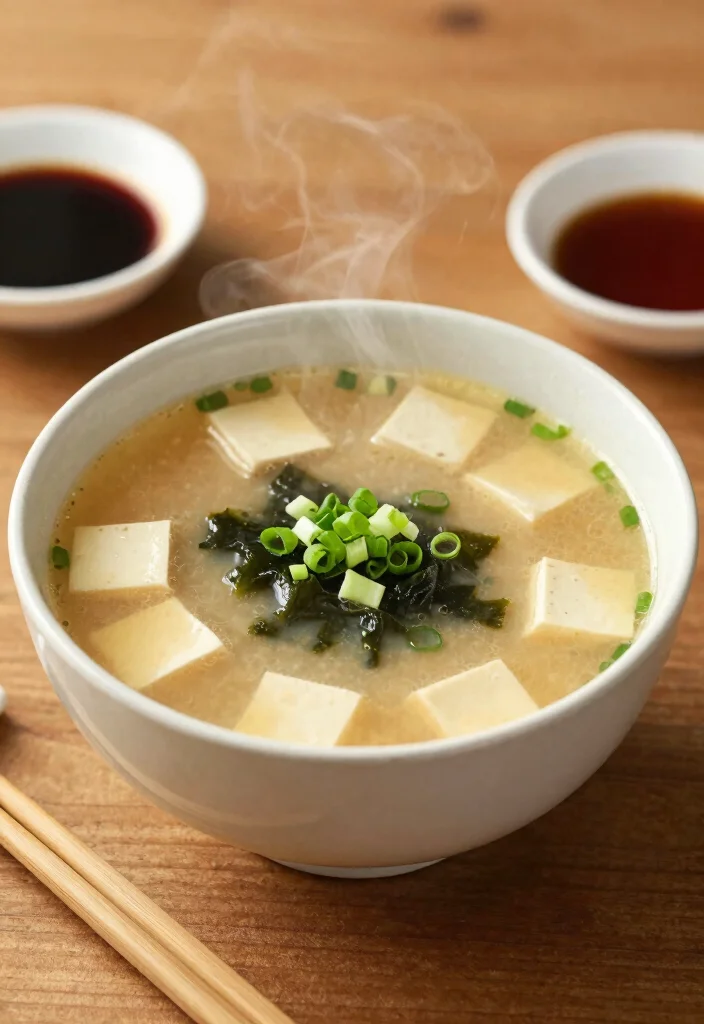
Feeling under the weather or just in need of comfort? This vegan miso soup is the perfect antidote, offering warmth and nourishment in every bowl. Packed with silky tofu and nutrient-rich seaweed, this traditional dish is both hearty and light, making it an ideal start to any meal.
With its probiotic-rich miso base, this soup is not only delicious but also beneficial for gut health. You’ll find it’s incredibly easy to whip up, bringing comfort to your kitchen in no time.
Ingredients:
– 4 cups vegetable broth
– 1 cup firm tofu, cubed
– ¼ cup miso paste
– 1 cup wakame seaweed, rehydrated
– 2 green onions, sliced
Instructions:
1. Heat the vegetable broth in a pot until it simmers.
2. Add the tofu and wakame, warming them through.
3. In a small bowl, mix the miso paste with a bit of broth until smooth, then stir it back into the pot.
4. Garnish with green onions and serve hot.
Be gentle when stirring the miso to keep its probiotics intact. Feel free to add extra veggies like mushrooms or spinach for more flavor.
FAQs:
– Can I use different types of miso? Absolutely! White miso is sweeter, while red miso offers a bolder flavor.
Miso Soup with Tofu and Seaweed
Editor’s Choice
Price updated on December 17, 2025 at 9:18 AM

TWIN PACK! Hikari ORGANIC White Miso Paste – 2 tubs, 17.6 oz by Hikari M…
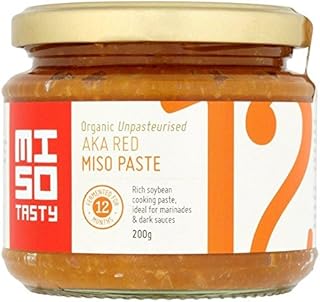
Miso Tasty Organic Red Aka Miso Cooking Paste – 200g (0.44lbs)

Shirakiku Cut Wakame Dried Seaweed – Dry Seaweed, Sea Kelp – Fresh Veget…
Emerald Cove Silver Grade Wakame (Dried Seaweed), 1.76-Ounce Bags (Pack …

Ocean’s Balance Organic Wakame Flakes – Maine Coast Seaweed – Atlantic O…


3. Vegan Ramen with Vegetables
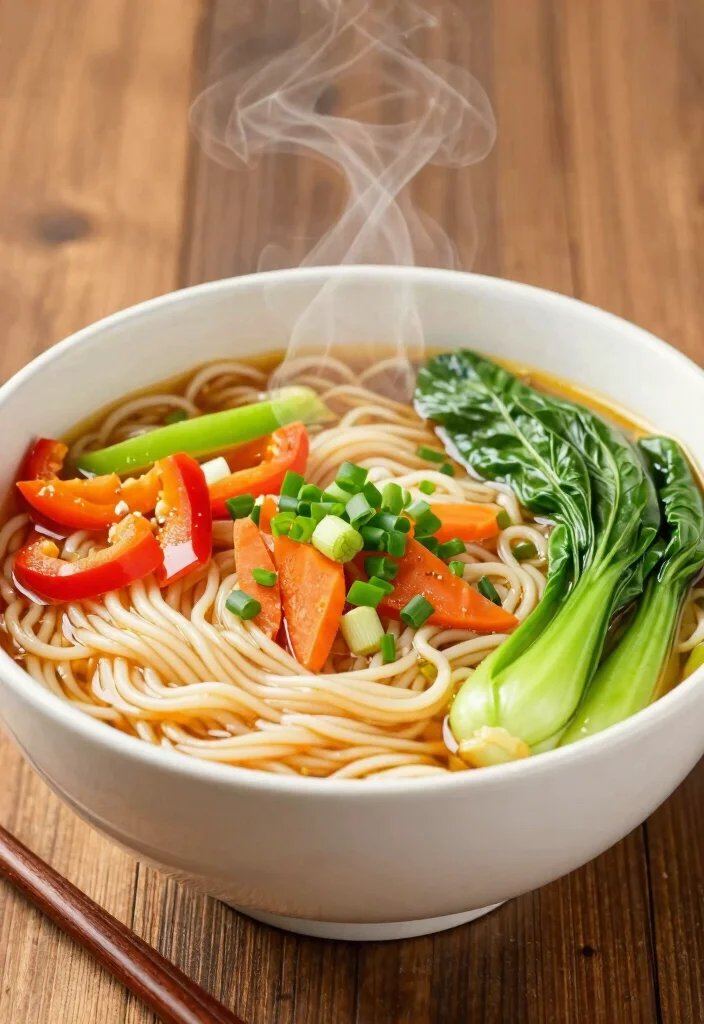
Are you in the mood for a warm and comforting bowl of ramen? This vegan ramen is not only packed with flavor but also loaded with colorful veggies, making it a hearty meal that satisfies your cravings. The rich broth, infused with kombu and shiitake mushrooms, creates a deep umami base that’s hard to resist.
Topped with a medley of fresh vegetables, this dish is both nutritious and delicious. It’s an easy way to enjoy a classic dish without compromising on taste or ingredients.
Ingredients:
– 4 cups vegetable broth
– 2 cups water
– 200g ramen noodles
– 1 cup shiitake mushrooms, sliced
– 1 carrot, julienned
– 1 bell pepper, sliced
– 1 cup bok choy, chopped
– 2 tablespoons soy sauce
– 1 tablespoon sesame oil
– Scallions for garnish
Instructions:
1. In a large pot, heat the vegetable broth and water.
2. Add shiitake mushrooms and bring to a simmer.
3. Cook the ramen noodles according to package instructions, then drain.
4. Add carrots, bell pepper, and bok choy to the broth, cooking until tender.
5. Stir in soy sauce and sesame oil.
6. Serve noodles in bowls and ladle the broth and veggies over them. Garnish with scallions.
For an extra kick, drizzle with chili oil or add fresh ginger. Feel free to mix in your favorite vegetables!
FAQs:
– Can I prepare the broth in advance? Yes, it can be stored in the fridge for up to three days.
Vegan Ramen with Vegetables
Editor’s Choice
Price updated on December 17, 2025 at 9:18 AM

Premium Dried Dashi Kombu 1kg – Umami-Rich Kelp for Japanese Broth, Soup…
ONETANG Natural Dried Shiitake Mushrooms – Premium Flavors |AAA Grade Ex…

Lotus Foods Organic Millet & Brown Rice Ramen – Gluten Free Ramen Noodle…

Koyo Ramen Soup, Asian Vegetable, Made With Organic Noodles, No MSG, No …

VOLO VERO Protein (32g) Ramen Variety Pack – Chicken, Spicy “Beef, Kimch…


![Newness 2 Pack Soup Ladle, [Rustproof, Heat Resistance, Integral Forming]](https://m.media-amazon.com/images/I/21+eCIV5auL._SL500_.jpg)



4. Vegetable Tempura
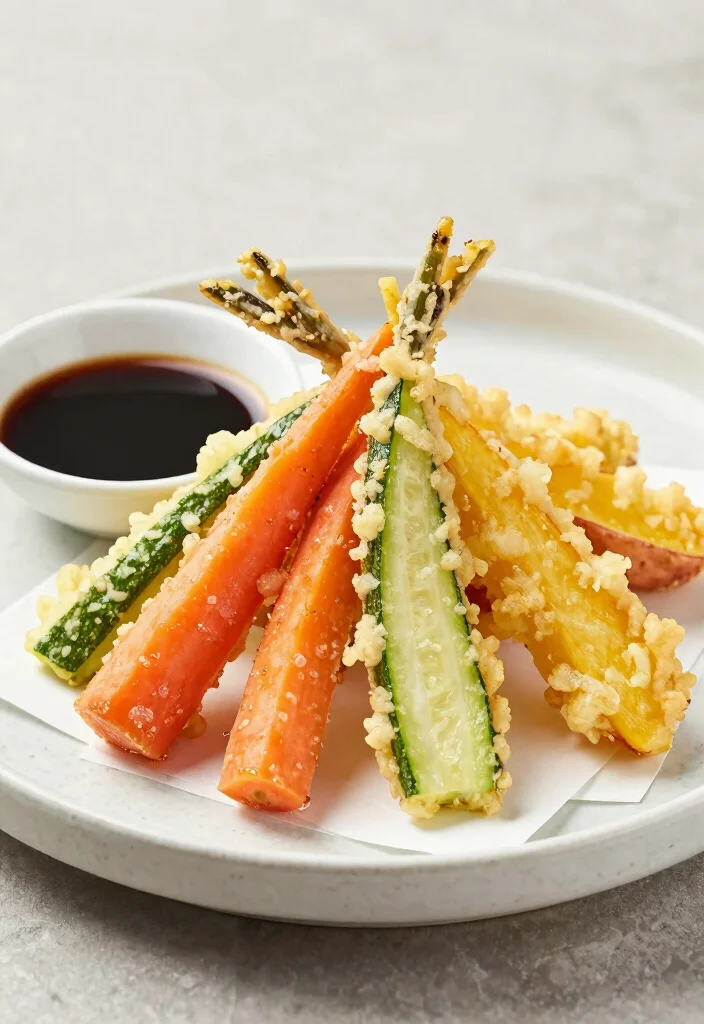
Craving something crispy and light? Vegetable tempura is your answer! This dish showcases seasonal vegetables in a wonderfully airy batter, making each bite a delightful crunch. Serve them with a soy-based dipping sauce for added flavor that’s sure to impress.
Perfect for appetizers, snacks, or sharing with friends, these bites are a fantastic way to enjoy fresh produce in a fun way.
Ingredients:
– 1 cup all-purpose flour
– ½ cup cold water
– 1 carrot, sliced
– 1 sweet potato, sliced
– 1 zucchini, sliced
– Oil for frying
– Soy sauce for dipping
Instructions:
1. Heat oil in a deep pot or fryer to 350°F (175°C).
2. In a bowl, mix flour and cold water until just combined; lumps are fine.
3. Dip vegetable slices into the batter, letting excess drip off.
4. Carefully place battered vegetables into the hot oil, frying in small batches until golden brown.
5. Drain on paper towels and serve immediately with soy sauce.
Keep the batter cold for extra crispiness. Try using bell peppers, broccoli, or asparagus for variety!
FAQs:
– Can I bake tempura instead of frying? While baking is an option, it won’t achieve the same level of crispiness.
Vegetable Tempura
Editor’s Choice
Price updated on December 17, 2025 at 9:17 AM

Tabletop King 5 Lb. Japanese Style Tempura Batter Mix By

Kikkoman Tempura Batter Mix, 10 Ounce (Pack of 6)

5 Pound Krusteaz Tempura Batter Mix Just Add Water No MSG Added Zero Gra…

Kikkoman Tempura Batter Mix Extra Crispy, 10 Ounce (Pack of 12)

Kikkoman – Traditionally Brewed Soy Sauce, All Purpose Seasoning – 1 Gal…
5. Vegan Gyoza (Dumplings)

Looking for a fun dish to share? Vegan gyoza are delicious dumplings filled with rich flavors, perfect for gatherings. These dumplings can be steamed or pan-fried to achieve a crispy bottom while staying tender on top.
Don’t be intimidated by the process; they’re surprisingly easy to make and even better to eat, especially when paired with a savory soy dipping sauce.
Ingredients:
– 1 package gyoza wrappers
– 1 cup finely chopped cabbage
– 1 cup mushrooms, finely chopped
– 1 carrot, shredded
– 2 green onions, sliced
– 2 tablespoons soy sauce
– 1 tablespoon sesame oil
– Oil for frying
Instructions:
1. In a bowl, combine cabbage, mushrooms, carrot, green onions, soy sauce, and sesame oil; mix well.
2. Place a small spoonful of filling onto each gyoza wrapper.
3. Moisten the edges with water, fold in half, and pinch to seal.
4. Heat oil in a skillet over medium heat. Fry gyoza until golden brown.
5. Add a splash of water, cover, and steam for 5 minutes until cooked through.
6. Serve with soy sauce or a spicy dipping sauce.
Feel free to experiment with fillings like tofu or spinach! You can also freeze gyoza for later use.
FAQs:
– Can I bake gyoza? Yes, but the texture will change; they will be less crispy.
Vegan Gyoza (Dumplings)
Editor’s Choice
Price updated on December 17, 2025 at 9:20 AM

Gyoza Skins – Premium Wheat Flour Dumpling Wrappers, Bulk 12 X 12 Oz for…

Twin Marquis HK Dumpling Wrapper 16 oz x 2 香港水餃皮 Production Date on the …


MacaRio Bamboo Steamer Basket Set 10 inch Steamer for Cooking, with Side…

Dumpling Maker Kit Stainless Steel Dumpling Mold Maker, Momos for Easy D…



6. Japanese-Style Tofu Stir-Fry

In search of a quick and tasty meal? This Japanese-style tofu stir-fry is packed with flavor and nutrients. The tofu absorbs all the delicious seasonings while providing a hearty base for a colorful array of vegetables.
The stir-fry method keeps the veggies crisp, making for an appetizing dish that’s as satisfying as it is healthy. Pair it with rice for a complete meal that hits the spot.
Ingredients:
– 1 block firm tofu, pressed and cubed
– 2 cups mixed vegetables (bell pepper, broccoli, carrots)
– 2 tablespoons soy sauce
– 1 tablespoon ginger, minced
– 2 cloves garlic, minced
– 2 tablespoons sesame oil
Instructions:
1. Heat sesame oil in a pan over medium heat.
2. Add tofu cubes, cooking until golden brown on all sides.
3. Remove tofu and add vegetables to the pan. Stir-fry for 5-7 minutes until crisp-tender.
4. Add garlic and ginger, cooking until fragrant.
5. Return tofu to the pan and stir in soy sauce. Cook for another 2 minutes.
6. Serve over rice or noodles.
Use various colorful veggies for a more appealing dish. Marinating the tofu longer enhances its flavor.
FAQs:
– Can I use frozen vegetables? Yes, but fresh vegetables yield better texture and flavor.
Japanese-Style Tofu Stir-Fry
Editor’s Choice
Price updated on December 17, 2025 at 9:20 AM
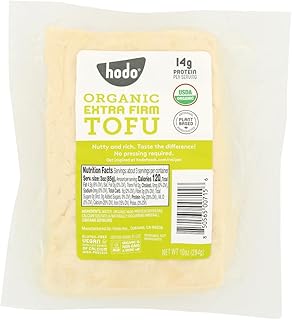
Hodo Soy Beanery, Tofu Firm Organic, 10 Ounce | Pack of 3
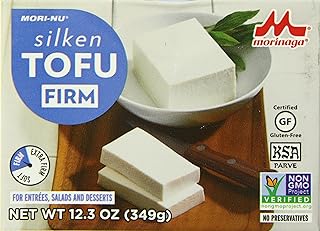
Mori-Nu Tofu, Tofu Firm, Blue, 12.3 Ounce (Pack of 12)
Franklin Farms Organic Vacuum Packed Tofu, 14 Ounce — 12 per case.
OTTOGI 100% Pure Premium Roasted Sesame Oil, Toasted to Perfection, Trad…

Kadoya Pure Sesame Oil – 56 oz.(Expedited shipping)
7. Sweet Potato and Edamame Salad
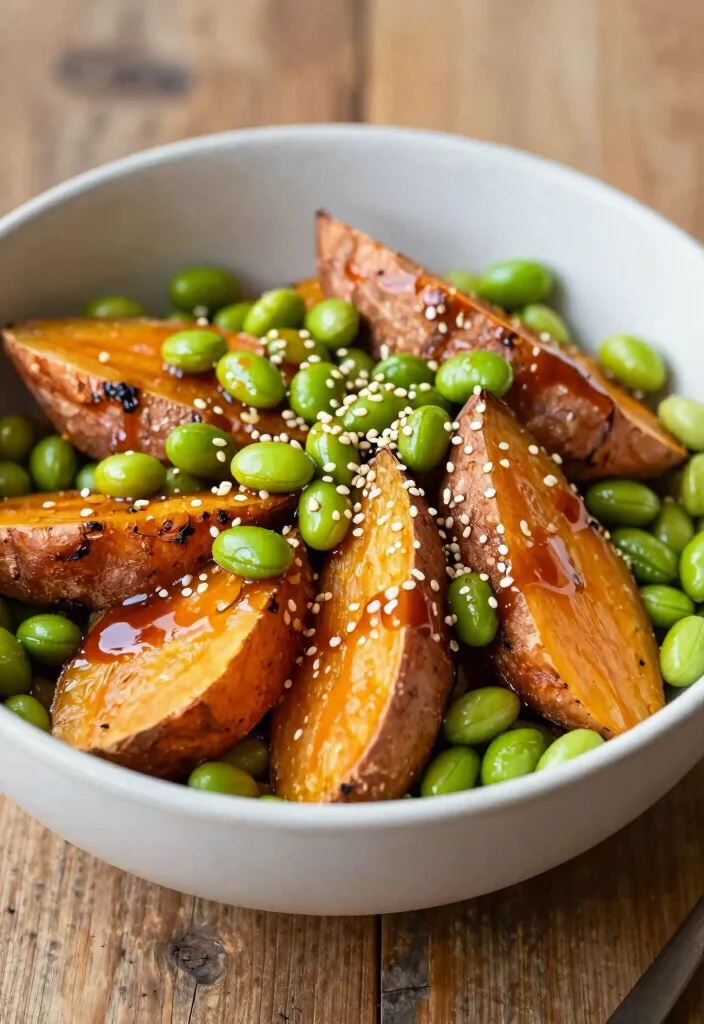
Looking for a refreshing dish? This sweet potato and edamame salad is a fantastic choice for a light meal or side. Combining sweet potatoes with protein-rich edamame creates a delightful mix of textures and flavors that will keep you satisfied.
Tossed in a sesame dressing, this salad is a standout at any table and perfect for warm weather meals. It’s light yet filling, making it an ideal summer dish.
Ingredients:
– 2 sweet potatoes, cubed
– 1 cup edamame, shelled
– 2 tablespoons sesame oil
– 2 tablespoons rice vinegar
– 1 tablespoon soy sauce
– 1 teaspoon maple syrup
– Sesame seeds for garnish
Instructions:
1. Preheat oven to 400°F (200°C). Toss sweet potato cubes in olive oil, salt, and pepper. Bake for 20 minutes until tender.
2. Cook edamame in boiling water for 5 minutes, then drain.
3. In a bowl, whisk together sesame oil, rice vinegar, soy sauce, and maple syrup.
4. Combine sweet potatoes and edamame in a salad bowl.
5. Drizzle dressing over the salad and toss to combine.
6. Sprinkle sesame seeds on top before serving.
Serve chilled for a refreshing meal. Add fresh herbs like cilantro or mint to elevate the flavors.
FAQs:
– Can I use frozen sweet potatoes? Fresh is best for texture, but frozen can work in a pinch.
Sweet Potato and Edamame Salad
Editor’s Choice
Price updated on December 17, 2025 at 9:19 AM
Simplot Shelled Edamame – 2.5 lb. bag, 6 bags per case
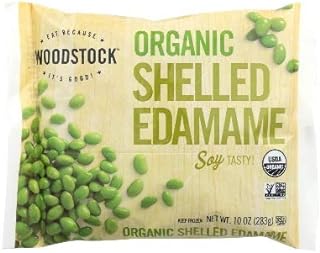
Woodstock Farms Organic Shelled Edamame, 10 Ounce — 12 per case.
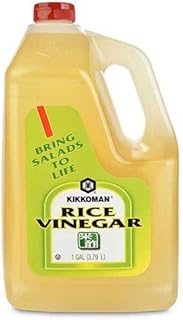

Marukan Genuine Brewed Rice Vinegar for Enhancing Flavor & Cooking, Unse…
OTTOGI 100% Pure Premium Roasted Sesame Oil, Toasted to Perfection, Trad…
8. Vegan Chawanmushi (Savory Custard)

Craving something elegant yet comforting? Chawanmushi is a traditional Japanese dish that can be beautifully veganized. This silken tofu custard, flavored with dashi and topped with seasonal vegetables, offers a delightful experience that’s both creamy and light.
The subtle flavors make it perfect for an appetizer or light meal, showcasing simple ingredients in a sophisticated way.
Ingredients:
– 1 block silken tofu
– 2 cups vegetable broth
– 2 tablespoons soy sauce
– 1 teaspoon dashi powder
– 1 cup mixed vegetables (carrots, peas)
– 2 tablespoons green onions, chopped
Instructions:
1. In a blender, combine silken tofu, vegetable broth, soy sauce, and dashi powder until smooth.
2. Pour the mixture into small heat-proof cups.
3. Place mixed vegetables and chopped green onions on top.
4. Steam the cups over simmering water for about 20 minutes until set.
5. Allow to cool slightly before serving.
Adjust the seasoning to your taste and experiment with different vegetables. Serve warm or at room temperature for the best experience.
FAQs:
– Can I use other types of tofu? Silken tofu is preferred for the right texture.
Fun fact: A single serving of vegan chawanmushi packs about 8-12 grams of plant-based protein from silken tofu, while staying light and silky. For vegan japanese recipes, it’s the elegant, comforting starter that proves simple ingredients can shine.
Vegan Chawanmushi (Savory Custard)
Editor’s Choice
Price updated on December 17, 2025 at 9:20 AM

Mori-Nu Silken Tofu Soft, Velvety Smooth and Creamy, Low Fat, Gluten-Fre…

Morinaga Organic Silken Tofu, 12 Ounce (Pack of 12)
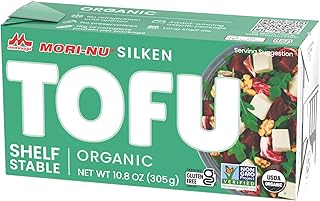
Mori-Nu Silken Tofu Organic | Velvety Smooth and Creamy | Low Fat, Glute…
Mori-Nu Silken Tofu Organic | Velvety Smooth and Creamy | Low Fat, Glute…

Mori Nu Tofu Soft Red. Plant-Based. Non-GMO. Healthy Protein. Vegan. Ver…



9. Vegan Takoyaki with Cauliflower

In the mood for a fun snack? Try vegan takoyaki, a popular street food in Japan that swaps out octopus for cauliflower, making it plant-based yet delicious. The simple batter allows for creative fillings like green onions and pickled ginger, ensuring each bite is bursting with flavor.
Drizzled with vegan mayo and takoyaki sauce, these bites are sure to impress anyone at your table!
Ingredients:
– 1 cup all-purpose flour
– 1 cup vegetable broth
– 1 cup cauliflower, finely chopped
– 2 green onions, sliced
– 1 tablespoon soy sauce
– Vegan mayo and takoyaki sauce for serving
Instructions:
1. In a bowl, mix flour, vegetable broth, and soy sauce until smooth.
2. Fold in chopped cauliflower and green onions.
3. Heat a takoyaki pan over medium heat, greasing the wells.
4. Pour batter into each well, cooking until golden brown, flipping with chopsticks.
5. Serve with vegan mayo and takoyaki sauce drizzled on top.
Use a non-stick pan for easier cooking. Customize the filling with other vegetables or plant-based proteins for variety!
FAQs:
– Can I bake these instead of using a takoyaki pan? Baking won’t achieve the same shape but will still taste great.
Vegan Takoyaki with Cauliflower
Editor’s Choice
Price updated on December 17, 2025 at 9:20 AM


Takoyaki Pan 16 Hole Nonstick Japanese Grill – Cast Aluminum Octopus Bal…

14 Holes Takoyaki Pan Nonstick Cast Iron Octopus Meat Balls Mold Maker, …

AUTOMATIC ELECTRIC JAPANESE TAKOYAKI GRILL PAN 12 HOLES 100 V OCTOPUS BA…

TANOTA Commercial Takoyaki Sauce 84.7oz (2.4kg) | Authentic Japanese Uma…
10. Matcha Pancakes with Maple Syrup

Want to treat yourself to something special? These fluffy matcha pancakes are perfect for a weekend brunch, featuring a vibrant green color and an earthy flavor that transforms your breakfast routine. Pair them with maple syrup and fresh fruits for a delightful morning experience.
Not only do they look stunning, but they’re also packed with antioxidants from the matcha, making them a nutritious choice.
Ingredients:
– 1 cup all-purpose flour
– 1 tablespoon matcha powder
– 2 tablespoons sugar
– 1 tablespoon baking powder
– 1 cup almond milk
– 2 tablespoons coconut oil, melted
– Maple syrup and fresh berries for serving
Instructions:
1. In a bowl, mix flour, matcha powder, sugar, and baking powder.
2. In another bowl, whisk together almond milk and melted coconut oil.
3. Pour wet ingredients into dry ingredients and stir until just combined.
4. Heat a non-stick skillet over medium heat, pouring batter to form pancakes.
5. Cook until bubbles form, then flip and cook until golden brown.
6. Serve with maple syrup and fresh berries.
Don’t overmix the batter for fluffier pancakes. Add chocolate chips for a sweet twist!
FAQs:
– Can I substitute matcha with another flavor? Yes, cacao powder can be used for chocolate pancakes.
Matcha Pancakes with Maple Syrup
Editor’s Choice
Price updated on December 17, 2025 at 9:21 AM

Naoki Matcha Superior Ceremonial Blend – Authentic Japanese First Harves…

Jade Leaf Matcha Organic Premium Ceremonial Grade Matcha Green Tea Powde…

Aiya Organic Ceremonial Grade Matcha Powder – Premium Matcha Ceremonial …
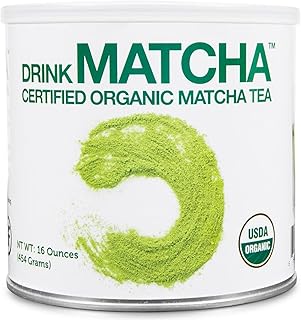
DrinkMatcha Organic Matcha Green Tea Powder 1 LB 100% Pure Matcha | Noth…

Organic Matcha Green Tea Powder, 2 lb (907g) | First Harvest, Culinary G…
11. Coconut Mochi Balls

Hankering for something chewy and sweet? These coconut mochi balls are a delightful treat that’s hard to resist! Made from glutinous rice flour and filled with sweet red bean paste, they are a beloved Japanese dessert that brings joy to any occasion.
The unique chewy texture combined with the sweetness of the filling creates a delicious experience. Rolling them in coconut adds a beautiful finish, making them perfect for celebrations or just a sweet indulgence.
Ingredients:
– 1 cup glutinous rice flour
– ½ cup water
– ½ cup coconut milk
– ½ cup sweet red bean paste
– Shredded coconut for rolling
Instructions:
1. In a bowl, mix glutinous rice flour, water, and coconut milk until smooth.
2. Steam the mixture in a heatproof dish for about 10 minutes until set.
3. Allow to cool, then cut into small squares.
4. Place a small spoonful of red bean paste in the center of each square and fold over to shape into balls.
5. Roll in shredded coconut to coat.
6. Serve chilled or at room temperature.
Use a spoon to manage the sticky mixture easily. Keep mochi refrigerated for a fresher taste.
FAQs:
– Can I use different fillings? Absolutely! Nut butters or fruit preserves work well too.
These vegan Japanese recipes shine when you want a chewy, sweet bite. Make coconut mochi balls with glutinous rice flour, fill with red bean paste, then roll in coconut for instant celebration-worthy treats.
Coconut Mochi Balls
Editor’s Choice
Price updated on December 17, 2025 at 9:22 AM

Flying Horse Glutinous Rice, 16-Ounce Packages (Pack of 12)
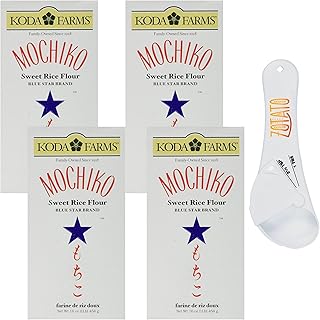
Koda Farms Mochiko Sweet Rice – Glutinous Flour for Mochi, Dango & Bakin…


Thai Kitchen Organic Unsweetened Coconut Milk, 13.66 fl oz (Pack of 12)

Companion Sweetened Red Bean Paste 18 Oz(Fat- Free)-2 Pack冰糖紅豆沙
12. Japanese Pickled Vegetables (Tsukemono)

Looking for a refreshing addition to your meals? Tsukemono, or Japanese pickled vegetables, are a tangy and crunchy staple that enhances any dish. Making them at home allows you to customize the flavors and ingredients to your liking, ensuring freshness in every bite.
These pickles are not only refreshing but also perfect for serving with rice or as a tasty snack. Try different vegetables like radishes, cucumbers, or carrots to discover your favorite combinations.
Ingredients:
– 2 cups assorted vegetables (radishes, cucumbers, carrots)
– ½ cup rice vinegar
– 1 tablespoon sugar
– 1 teaspoon salt
Instructions:
1. Slice the vegetables into thin pieces.
2. In a bowl, combine rice vinegar, sugar, and salt.
3. Add the vegetables, ensuring they’re well coated.
4. Transfer to a jar and refrigerate for at least 24 hours before serving.
5. Enjoy as a side dish or snack.
Customize the pickling liquid with your favorite spices or herbs for unique flavors. Store in the fridge for up to a month for the best taste.
FAQs:
– Are pickles good for you? Yes, they provide probiotics and are low in calories.
Fun fact: Tsukemono can stay crisp in the fridge for up to 2 weeks, keeping flavors bright for vegan japanese recipes all week. Quick pickling means you can transform simple veggies like cucumbers or radishes in under 20 minutes, making home prep easy and delicious.
Japanese Pickled Vegetables (Tsukemono)
Editor’s Choice
Price updated on December 17, 2025 at 9:22 AM

Tsukemono Pickle Garden Seed Kit – Non-GMO Japanese Vegetables for Pickl…

Marukan Genuine Brewed Rice Vinegar, 24 Ounce PET Bottle (Pack of 2)

Glass Food Storage Jars 37 oz Set of 6,Glass Storage Containers Clear Gl…

Ball – 16 oz Wide Mouth Glass Mason Jars | 6 Pack Jars with Airtight Lid…

Ball Glass Mason Jars with Lids and Bands, Used for Canning, Pickling, J…




Conclusion
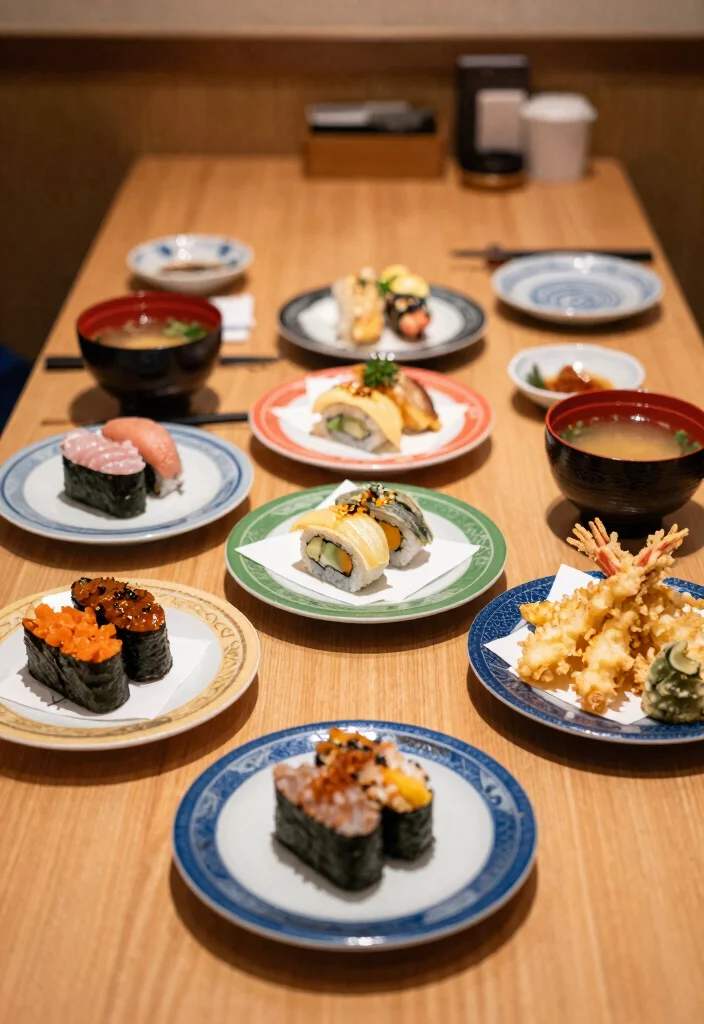
These 12 vegan Japanese recipes bring the essence of comfort food to the plant-based table.
Whether you’re craving something warm and hearty like miso soup or something light and refreshing like a sweet potato salad, there’s a recipe here for every occasion.
The balance of flavors and the art of presentation in Japanese cuisine are celebrated through these dishes, proving that vegan meals can be both nourishing and delicious. Enjoy exploring these recipes and share your favorites with others!
Note: We aim to provide accurate product links, but some may occasionally expire or become unavailable. If this happens, please search directly on Amazon for the product or a suitable alternative.
This post contains Amazon affiliate links, meaning we may earn a small commission if you purchase through our links, at no extra cost to you.
Frequently Asked Questions
What are some beginner-friendly vegan Japanese recipes with clean, delicate flavors?
Begin with simple, delicate flavors that define vegan japanese recipes.
Try a light miso soup with silken tofu and wakame, a quick vegetable soba noodle dish, and easy vegan sushi alternatives like avocado–cucumber rolls.
These picks highlight plant-based Japanese cuisine basics and help you practice Japanese cooking techniques without overwhelming ingredients.
For clean eating, choose low-sodium miso, fresh greens, and minimal added fats.
How can I keep vegan Japanese recipes healthy and balanced?
Focus on whole foods and protein-rich plant ingredients to keep these meals healthy vegan dishes.
Include tofu, edamame, tempeh, or chickpeas, plus plenty of veggies and whole grains like brown rice or soba to build fiber and nutrients.
Use clean eating recipes principles: minimal processed ingredients, light sauces, and mindful portions, with flavor from miso, ginger, and sesame instead of heavy sauces.
These habits fit into plant-based Japanese cuisine without sacrificing taste.
What essential Japanese cooking techniques should I know for vegan dishes?
Key techniques include making a vegan-friendly dashi substitute from kombu and shiitake; nimono simmering to let veggies soak up flavor; steaming delicate greens or dumplings; quick stir-frying to keep textures crisp; and rolling sushi or shaping onigiri for simple texture.
Mastering these Japanese cooking techniques in vegan form helps you create comforting, flavorful dishes with ease.
Are there vegan sushi alternatives that are tasty and satisfying?
Absolutely. Roll avocado, cucumber, pickled carrot, shiitake, or seasoned tofu in nori for vegan sushi alternatives. Add sesame, pickled ginger, and a touch of wasabi for zing. For extra creaminess, mix avocado with a little vegan mayo. Use seasoned sushi rice with a splash of rice vinegar to keep flavors authentic while staying plant-based.
How can I veganize classic Japanese comfort foods?
Veganize comfort foods by swapping animal proteins with tofu, mushrooms, or tempeh. Use hearty vegetables and beans to replicate heartiness without sacrificing flavor. Classic ideas include nikujaga with potatoes, carrots, onions, and seitan; miso ramen with mushrooms; and a crispy tofu katsu served with a light cabbage slaw. These tweaks keep the comforting feel of vegan japanese recipes while aligning with clean eating recipes and a plant-based Japanese cuisine approach.
Related Topics
vegan japanese recipes
plant-based cuisine
healthy vegan dishes
japanese comfort food
vegan sushi alternatives
clean eating recipes
easy vegan meals
traditional cooking techniques
quick vegan recipes
seasonal ingredients
family friendly
meatless meals