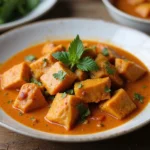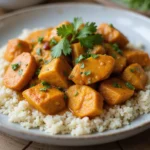
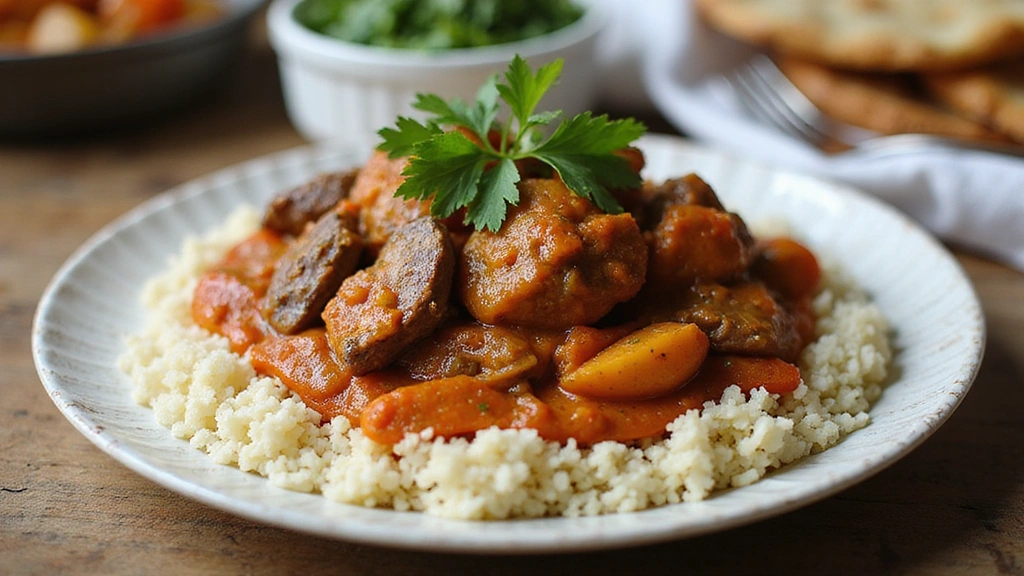
Lamb curry is a dish that embodies warmth and comfort, bringing together rich flavors and tender meat in a delightful sauce.
The aromatic spices and creamy texture create a symphony of taste that is both invigorating and soothing.
I first fell in love with lamb curry during a family gathering, where the savory notes filled the air and drew everyone to the table.
Whether you’re cooking for a weeknight dinner or a festive occasion, this lamb curry recipe is easy to prepare yet packed with flavor.
The History and Cultural Significance
• Lamb curry traces its origins to the Indian subcontinent, where it has been a staple in various regional cuisines for centuries.
• The dish evolved over time as spices were introduced through trade routes, blending local flavors with influences from Persian and Mughal cuisines.
• In Indian culture, lamb curry is often served during festivals and family gatherings, symbolizing hospitality and celebration.
• While many variations exist, the authentic version often features a balance of spices that showcases the lamb’s natural richness.
Recipe Overview
Nutritional Information (per serving)
Ingredients
Essential Equipment Guide
Heavy-Bottomed Pot: A heavy-bottomed pot is crucial for evenly distributing heat, preventing the lamb from burning. Look for a pot that retains heat well and has a tight-fitting lid for simmering.
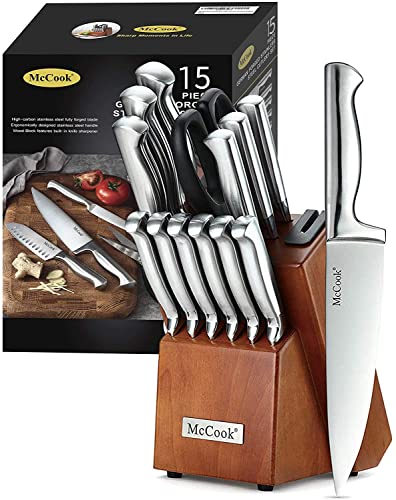
Chef’s Knife: A sharp chef’s knife is essential for chopping vegetables and meat with precision. Choose a knife that feels comfortable in your hand and is well-balanced for effortless cutting.
Wooden Spoon: A wooden spoon is ideal for stirring the curry without scratching the pot. Opt for a sturdy spoon that can withstand high temperatures and heavy mixing.




Preparation Methods
Marinating the Lamb: Marinating the lamb in spices and yogurt for at least an hour helps to tenderize the meat and infuse it with flavor. Aim for a marinade that includes acidic ingredients to break down the muscle fibers.
Tempering Spices: Tempering spices at the beginning of cooking releases their essential oils, enhancing the overall flavor of the dish. Heat oil and add whole spices until fragrant before adding the onions.
Simmering: Allow the curry to simmer gently so that the flavors meld together. Keep the heat low and check occasionally, ensuring the lamb becomes tender without overcooking.
Step 1: Prepare the Ingredients

Begin by gathering all the ingredients listed for the lamb curry.
Wash and chop the vegetables, ensuring uniform sizes for even cooking.
Cut the lamb into bite-sized pieces, trimming excess fat if desired.
Measure out all spices and liquids to streamline the cooking process.
Step 2: Marinate the Lamb
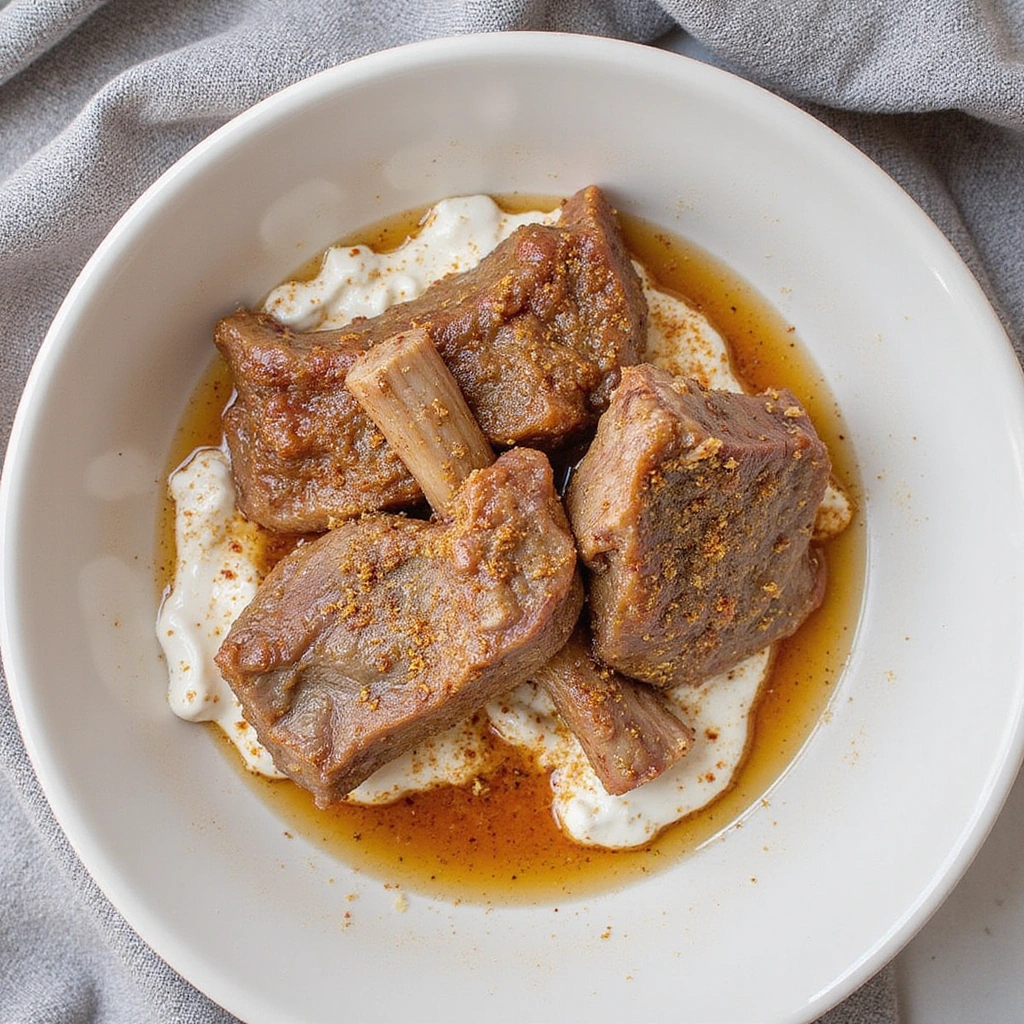
In a large bowl, combine the lamb pieces with yogurt and half of the spices.
Mix thoroughly, ensuring each piece is coated with the marinade.
Cover the bowl and let it marinate in the refrigerator for at least 30 minutes for maximum flavor.
This step enhances tenderness and infuses the lamb with spices.
Step 3: Heat the Oil
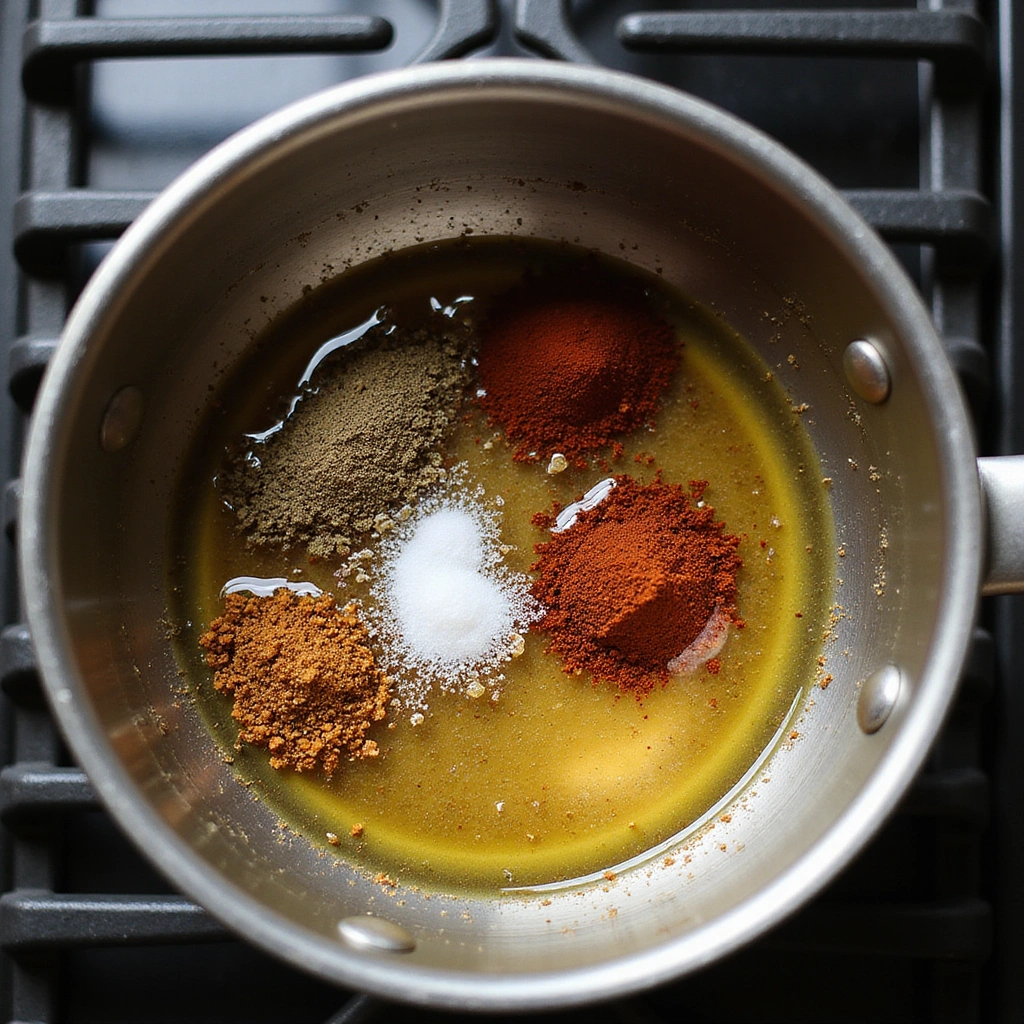
In a heavy-bottomed pot, heat the oil over medium heat until shimmering.
This is the perfect temperature for sautéing the onions without burning them.
Add the remaining spices to the oil and let them sizzle for a few seconds to release their aroma.
Stir occasionally to prevent sticking and ensure even cooking.
Step 4: Sauté the Onions
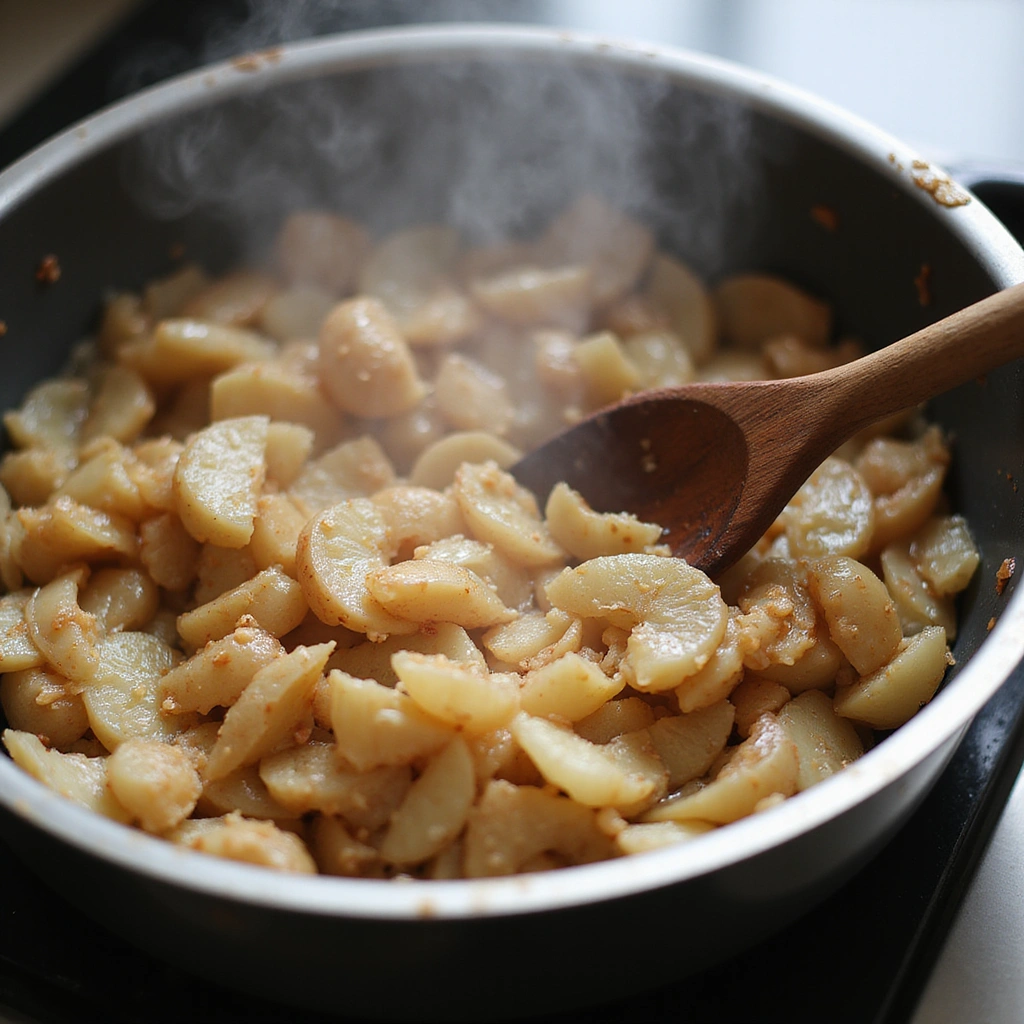
Add the chopped onions to the pot and sauté until they turn golden brown.
This process usually takes about 5-7 minutes; stir frequently to prevent burning.
Golden onions indicate that they are caramelized and have developed sweetness.
This step builds the foundation of flavor for the curry.
Step 5: Add Garlic and Ginger
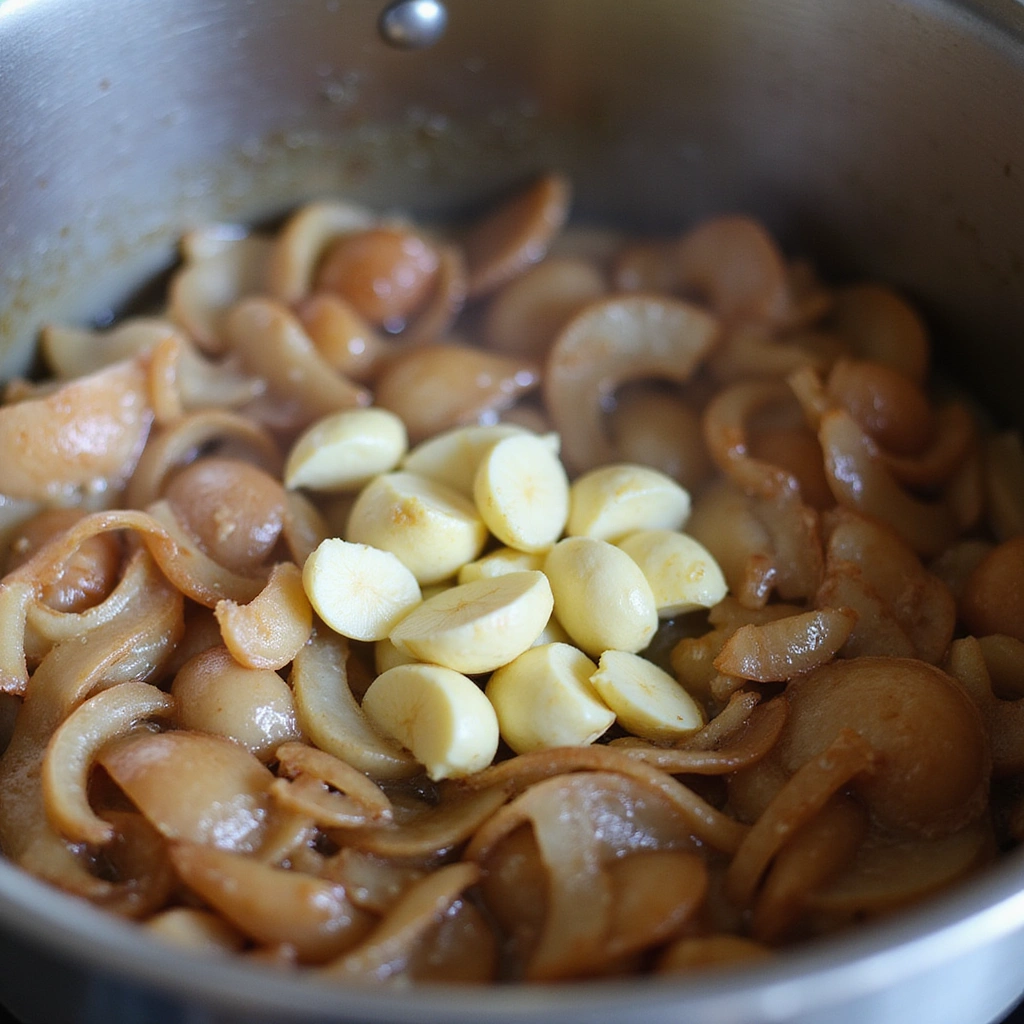
Once the onions are browned, add the minced garlic and grated ginger to the pot.
Sauté for an additional 2-3 minutes until fragrant, stirring constantly.
Be careful not to let the garlic burn as it can turn bitter quickly.
This combination adds a depth of flavor that is characteristic of lamb curry.
Step 6: Incorporate Tomatoes
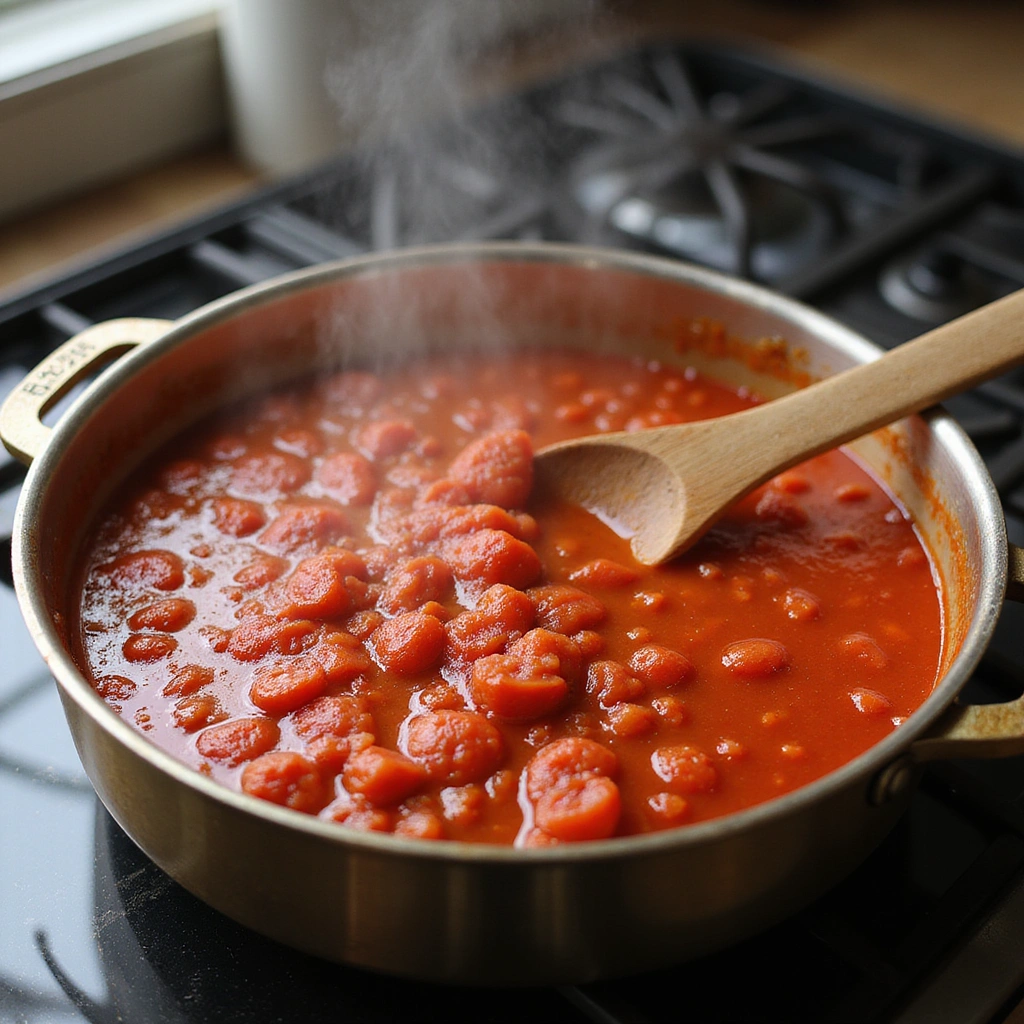
Pour in the crushed tomatoes and stir to combine all the ingredients.
Cook for about 5 minutes, allowing the mixture to bubble and thicken slightly.
The acidity of the tomatoes balances the richness of the lamb and coconut milk.
Use a wooden spoon to scrape any bits stuck to the bottom of the pot for added flavor.
Step 7: Add the Lamb
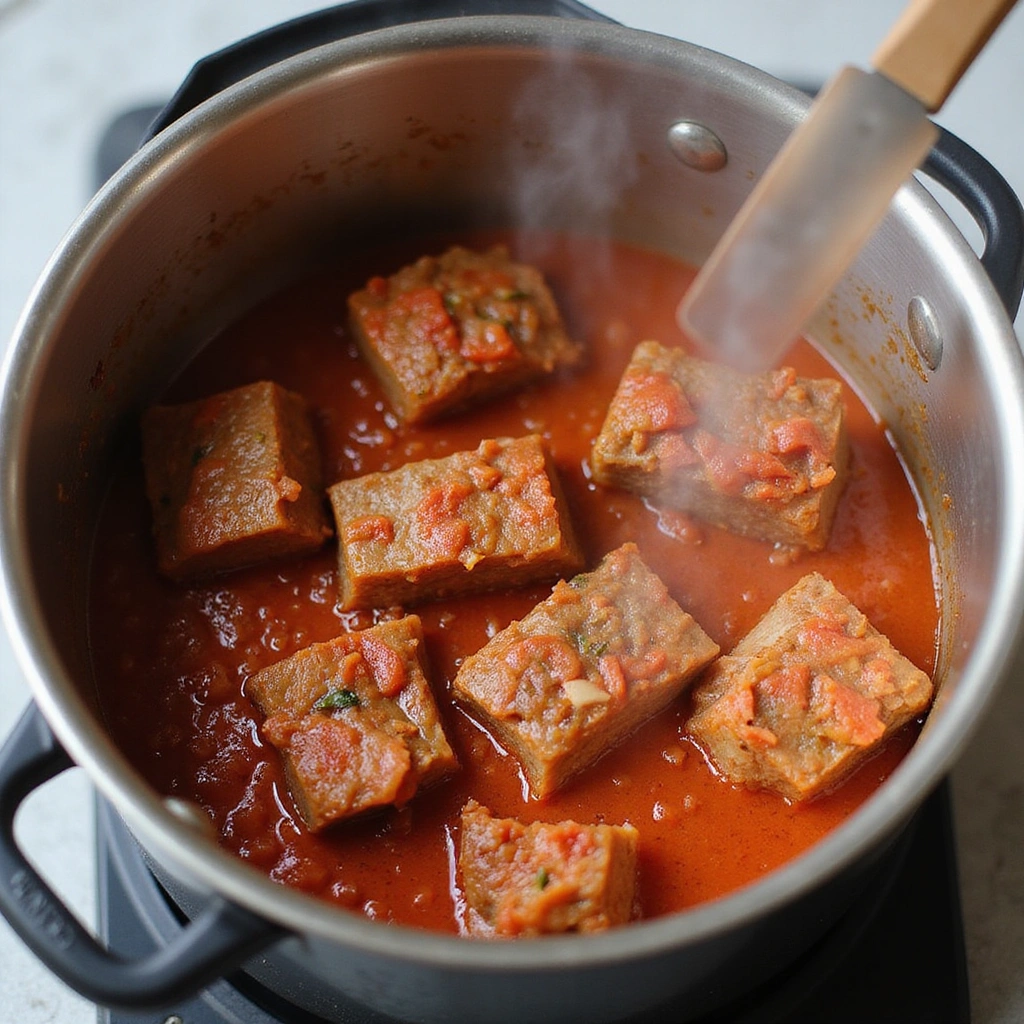
Introduce the marinated lamb to the pot and stir well to coat it with the sauce.
Increase the heat slightly to brown the lamb on all sides, about 5 minutes.
Look for the lamb to begin browning, which adds depth to the overall flavor.
This step ensures the lamb is flavorful before simmering.
Step 8: Pour in Coconut Milk
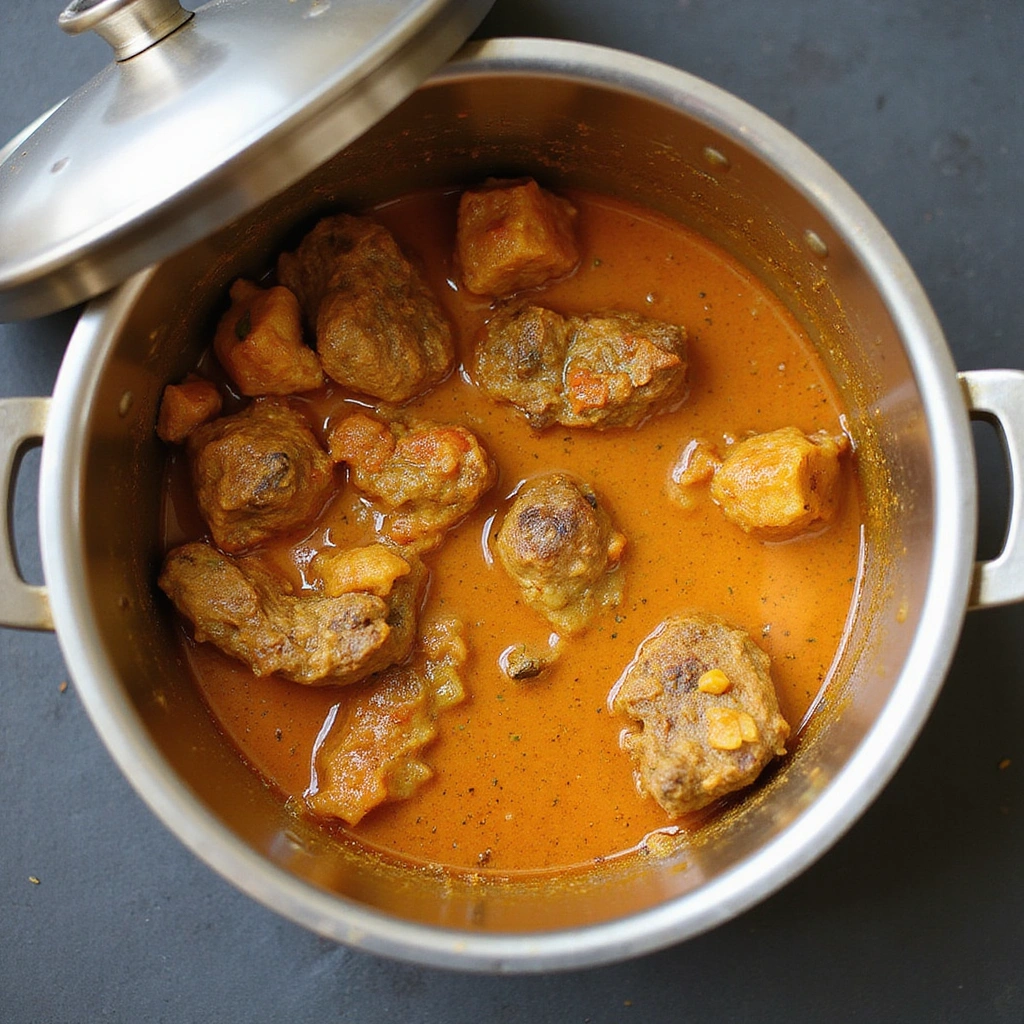
Add the coconut milk to the pot and stir until fully incorporated.
Bring the mixture to a gentle boil, then reduce the heat to low for simmering.
Coconut milk adds creaminess and balances the spices, making the dish rich and satisfying.
Cover the pot with a lid to trap steam and flavors.
Step 9: Simmer the Curry
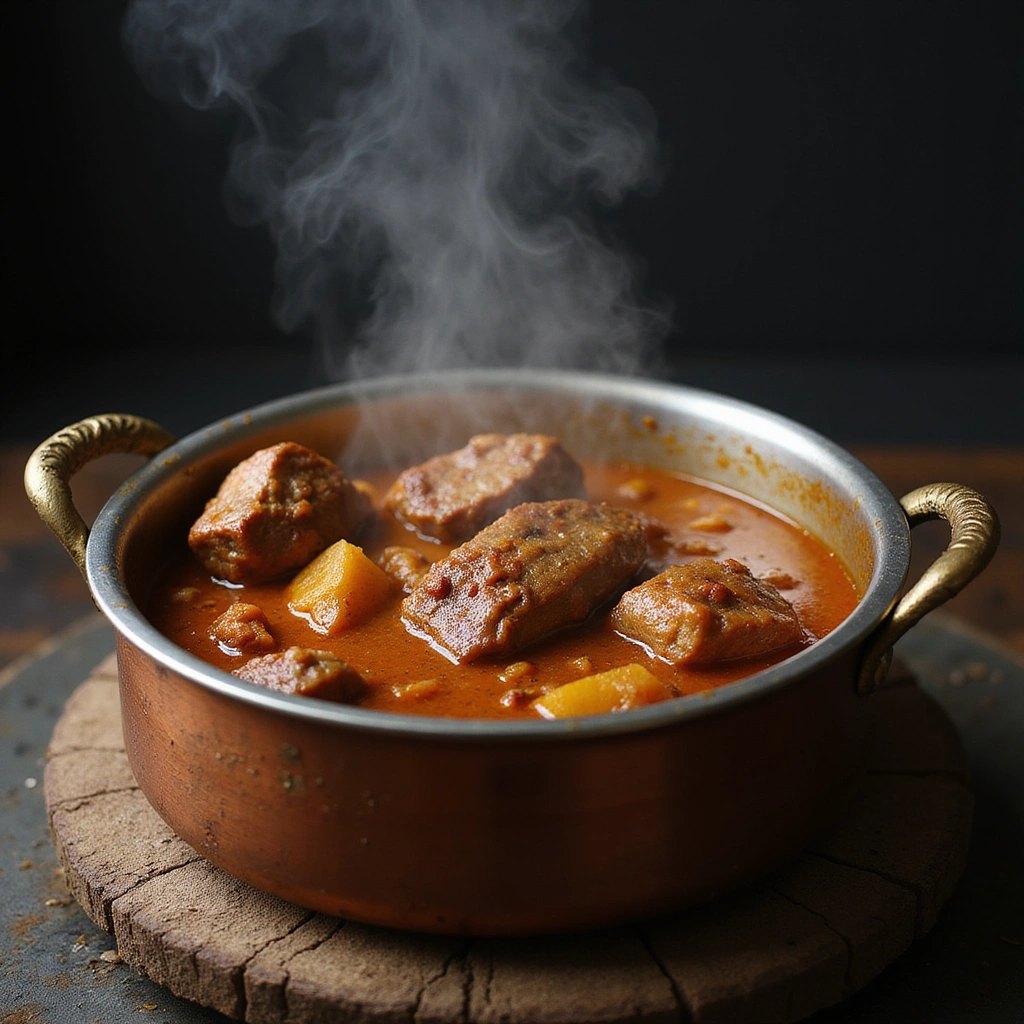
Allow the curry to simmer gently for 30-40 minutes, stirring occasionally.
Check the lamb for tenderness; it should easily break apart with a fork.
This slow cooking process melds the flavors and ensures the lamb is perfectly cooked.
Adjust the seasoning with salt as needed during this time.
Step 10: Serve the Curry

Once the lamb is tender, remove the pot from heat and let it rest for a few minutes.
Serve the curry hot, garnished with fresh cilantro for color and freshness.
Pair it with steamed rice or naan to soak up the delicious sauce.
This final touch elevates the presentation and enhances the eating experience.
Critical Timing and Temperature Guide
Marinating the Lamb: Marinate the lamb for at least 30 minutes, but up to overnight is ideal for deeper flavor. Look for a tender texture when cooked. Avoid marinating for too long, as it can make the meat mushy.
Sautéing Onions: Onions should be cooked until golden brown, which usually takes 5-7 minutes at medium heat. They should be fragrant and sweet. Keep an eye to prevent burning.
Simmering the Curry: Simmer the curry for 30-40 minutes on low heat. The lamb should be fork-tender. Common mistakes include cooking at too high a heat, which can toughen the meat.
Pro Tips for Lamb Curry Recipes Easy Yet Flavor Packed
• Ingredient Selection: Choose high-quality lamb from a reputable source; grass-fed options offer better flavor.
• Preparation Secret: Allowing the marinated lamb to come to room temperature before cooking helps it cook evenly.
• Temperature Management: Ensure your pot is preheated before adding ingredients to prevent sticking and burning.
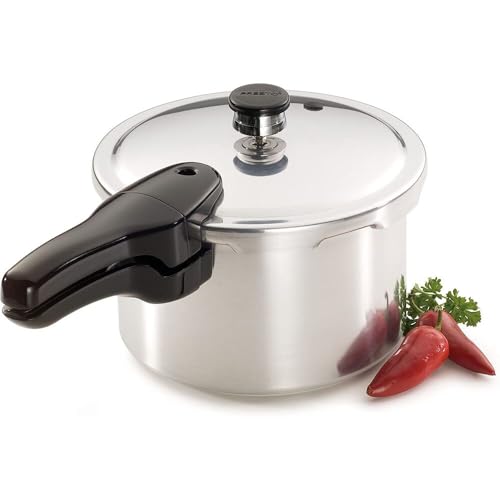
• Texture Enhancement: Use a pressure cooker for even more tender lamb if time is limited.
• Flavor Layering: Add spices in stages; temper them first to release their oils, then add the main ingredients.
• Make-Ahead Strategies: Prepare the curry a day in advance; flavors deepen as they sit in the refrigerator.
• Restaurant-Quality Finishing Touches: Drizzle with a touch of coconut cream before serving for a luxurious finish.
• Equipment Optimization: Use a heavy pot that distributes heat evenly, ensuring consistent cooking.




Troubleshooting Common Issues
• Too Spicy: If the curry is too spicy, add a dollop of yogurt or coconut milk to mellow the heat. This can balance the flavors effectively.
• Flavor Lacking: If the curry tastes flat, add salt or a squeeze of lime juice to brighten the flavors. Taste as you go to achieve balance.
• Meat Tough: If the lamb is tough, it may not have simmered long enough. Continue cooking until tender, checking frequently.
• Too Watery: If the curry is too runny, simmer uncovered for a few extra minutes to reduce the liquid. Stir occasionally to avoid sticking.
• Burnt Bottom: If the bottom is burning, reduce the heat and add a splash of water to lift the stuck bits. Stir well to incorporate.
Variations and Regional Differences
• Rogan Josh: This Kashmiri version uses yogurt and a distinct blend of spices, including Kashmiri chili, imparting a vibrant red color and unique flavor.
• Dhansak: A Parsi dish that combines lamb with lentils and vegetables, adding a sweet and tangy profile due to the use of jaggery and tamarind.
• Goan Lamb Curry: Incorporates coconut and tamarind, giving it a richer, tropical flavor, and often includes potatoes for added substance.
• Modern Interpretations: Many chefs experiment with fusion styles, adding ingredients like sweet potatoes or incorporating global spices to create unique twists.
Food Science Behind the Recipe
• Maillard Reaction: This crucial process occurs when proteins and sugars in the lamb react under heat, creating complex flavors and a rich color during browning.
• Emulsification: Coconut milk helps to create a creamy texture by emulsifying with the fat from the lamb, providing a smooth and rich sauce.
• Flavor Enhancement through Simmering: Slow cooking allows flavors to meld and develop, as the heat breaks down fibers in the meat, making it tender and flavorful.
Frequently Asked Questions
What’s the most common mistake people make when preparing lamb curry? Overcooking the lamb can lead to toughness; always check for tenderness and cook until just done.
Can I prepare components of this dish in advance? Yes, you can marinate the lamb a day ahead and prep vegetables in advance; store them in airtight containers.
How do I adapt this recipe for dietary restrictions? For a gluten-free version, ensure all spices and sauces are certified gluten-free and replace any flour-based thickening agents.
What’s the best way to store and reheat leftovers? Store in an airtight container in the fridge for up to 3 days. Reheat gently on low heat to maintain the sauce’s consistency.
Can I freeze this dish? Yes, lamb curry freezes well; store in a freezer-safe container for up to 3 months. Thaw overnight in the fridge before reheating.
What wine or beverages pair best with this dish? A fruity red wine like Zinfandel complements the spices well, while a crisp lager can balance the richness.
How can I scale this recipe up for a crowd? Simply multiply ingredients by the number of servings desired, and ensure your pot is large enough to accommodate the additional volume.
What side dishes complement this recipe best? Serve with basmati rice or naan along with a side of cucumber raita for cooling balance.
How do professional chefs elevate this dish for restaurant service? Chefs may incorporate fresh herbs or edible flowers as a garnish and serve in unique dishware for an upscale presentation.
Serving and Presentation Guide
• Traditional Presentation: Serve lamb curry in a deep bowl with fresh cilantro sprinkled on top, accompanied by rice on the side. Use traditional Indian-style serving dishes for authenticity.
• Modern Plating Ideas: Use a wide, shallow bowl to showcase the curry, adding a swirl of coconut cream and a sprinkle of microgreens for a contemporary look.
• Accompaniment Suggestions: Pair with fluffy naan, basmati rice, or a light salad for contrast.
• Special Occasion Presentation: Use ornate serving platters and garnish with pomegranate seeds or edible flowers for festive occasions.
Conclusion
Lamb curry is a dish that warms the heart and satisfies the soul, offering a rich tapestry of flavors in every bite.
I hope you enjoy making this easy yet flavor-packed recipe in your kitchen.
Gather your loved ones around the table and share in the joy of this comforting meal.