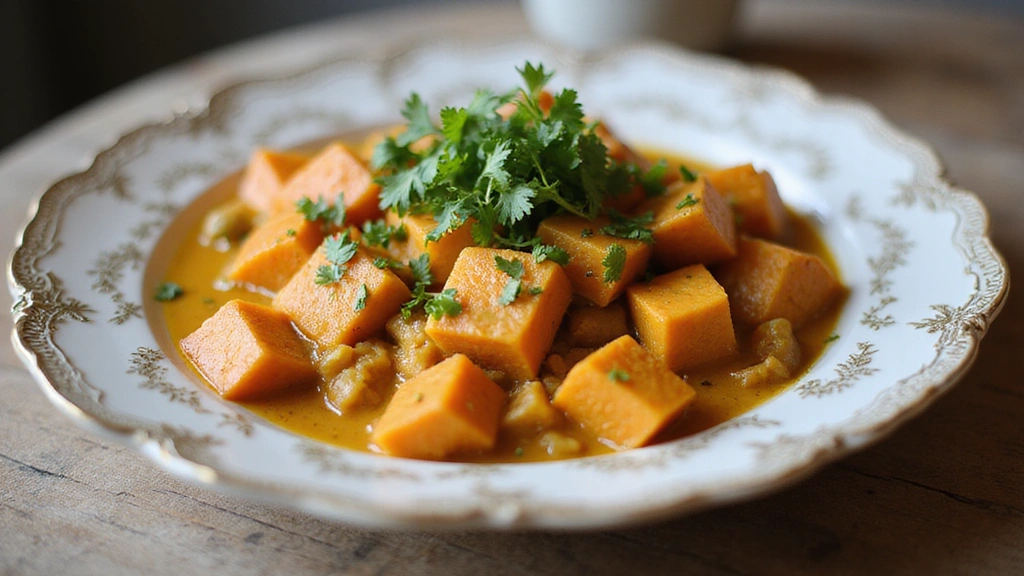
Sweet Potato Curry is a heartwarming dish that marries the earthy sweetness of sweet potatoes with robust spices for a truly comforting experience.
The creamy texture and rich flavors make it a standout option for both weeknight dinners and festive gatherings.
I first encountered this delightful curry during a family gathering, where the aroma filled the air, drawing everyone to the table.
Whether you’re a seasoned cook or a beginner, this recipe is simple to follow and guarantees satisfying results.
The History and Cultural Significance
• Sweet Potato Curry traces its origins to South Asia, particularly in regions like India and Nepal, where it was originally created by home cooks using local ingredients.
• The dish evolved over decades as spices were introduced and adapted, eventually becoming the beloved version we know today.
• In Indian culture, this dish traditionally appears at festive occasions and family celebrations, symbolizing warmth and togetherness.
• While many variations exist across different regions, the authentic version maintains a balance of spices and creaminess that sets it apart from imitations.
Recipe Overview
Nutritional Information (per serving)
Ingredients
Essential Equipment Guide
High-Quality Knife: A sharp, well-balanced knife is crucial for chopping vegetables efficiently and safely. Look for a knife with a comfortable grip and a fine blade that can handle various cuts.
Heavy-Bottomed Pot: This cookware is essential for even heat distribution, preventing scorching. A Dutch oven or a thick-bottomed saucepan works best.
Blender or Food Processor: A good blender or food processor is key for creating a smooth, creamy sauce. Consider one with multiple speed settings for versatility.
Preparation Methods
Chopping Techniques: Mastering your knife skills is essential for preparing the vegetables evenly. Practice using a rocking motion to ensure consistent cuts.
Simmering: This technique allows the flavors to meld together beautifully. Keep an eye on the pot to prevent it from boiling over; a gentle simmer is key.
Blending: For a creamy texture, blend the curry just before serving. Ensure all ingredients are well incorporated to achieve a smooth consistency.
Step 1: Prepare Ingredients
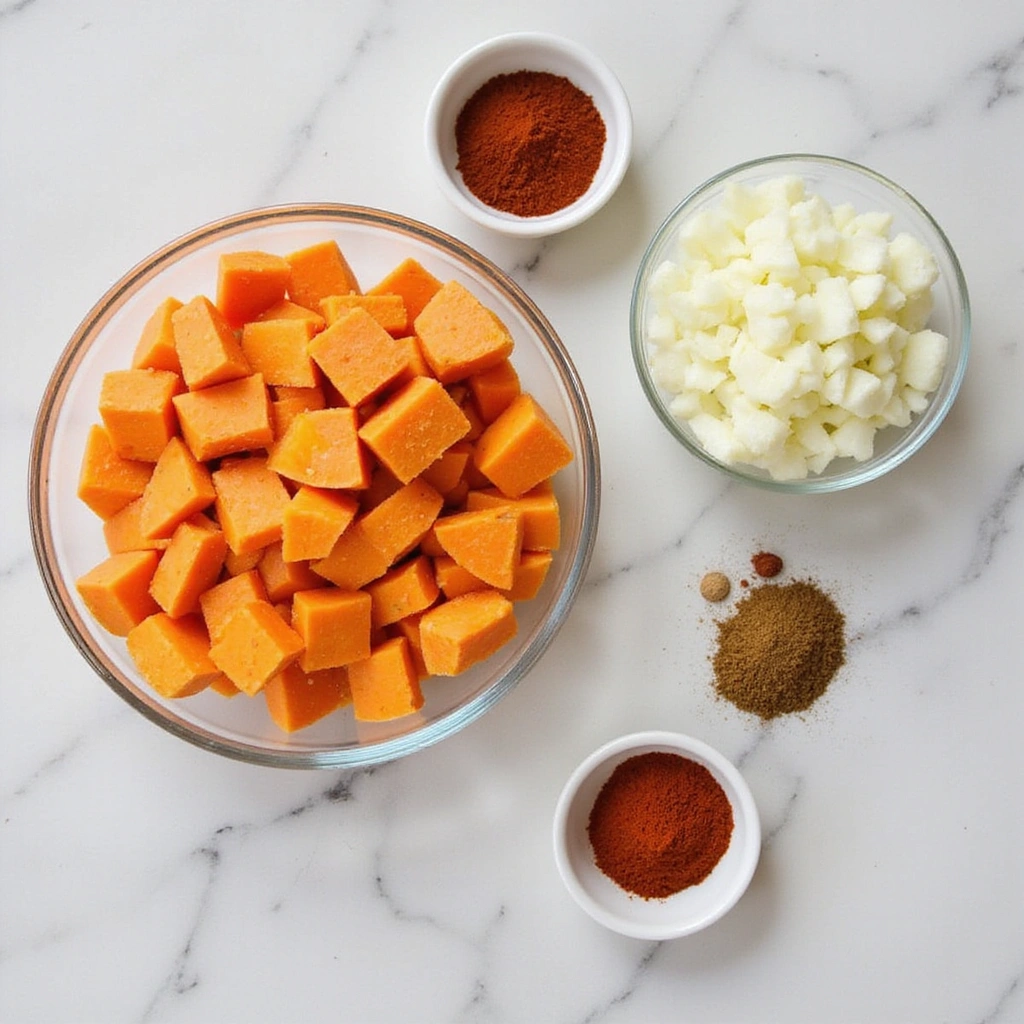
Begin by gathering all your ingredients on the countertop.
This ensures you have everything you need within arm’s reach.
Peel and chop the sweet potatoes and onion before starting the cooking process.
This preparation reduces cooking time and makes the process smoother.
Step 2: Sauté the Onions
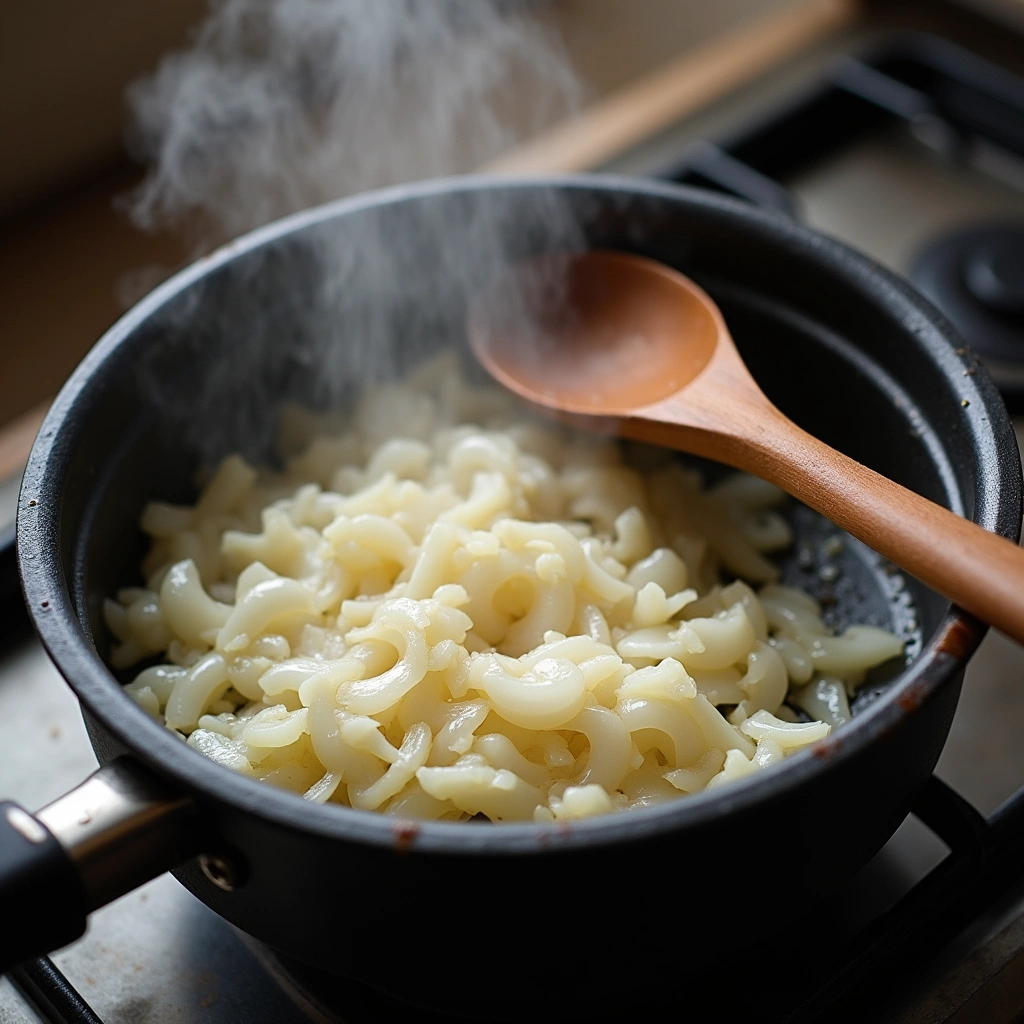
Heat the coconut oil in a heavy-bottomed pot over medium heat.
Add the chopped onions and sauté until they are translucent, about 5 minutes.
Stir occasionally to prevent sticking and burning.
Look for a light golden color before moving to the next step.
Step 3: Add the Curry Paste
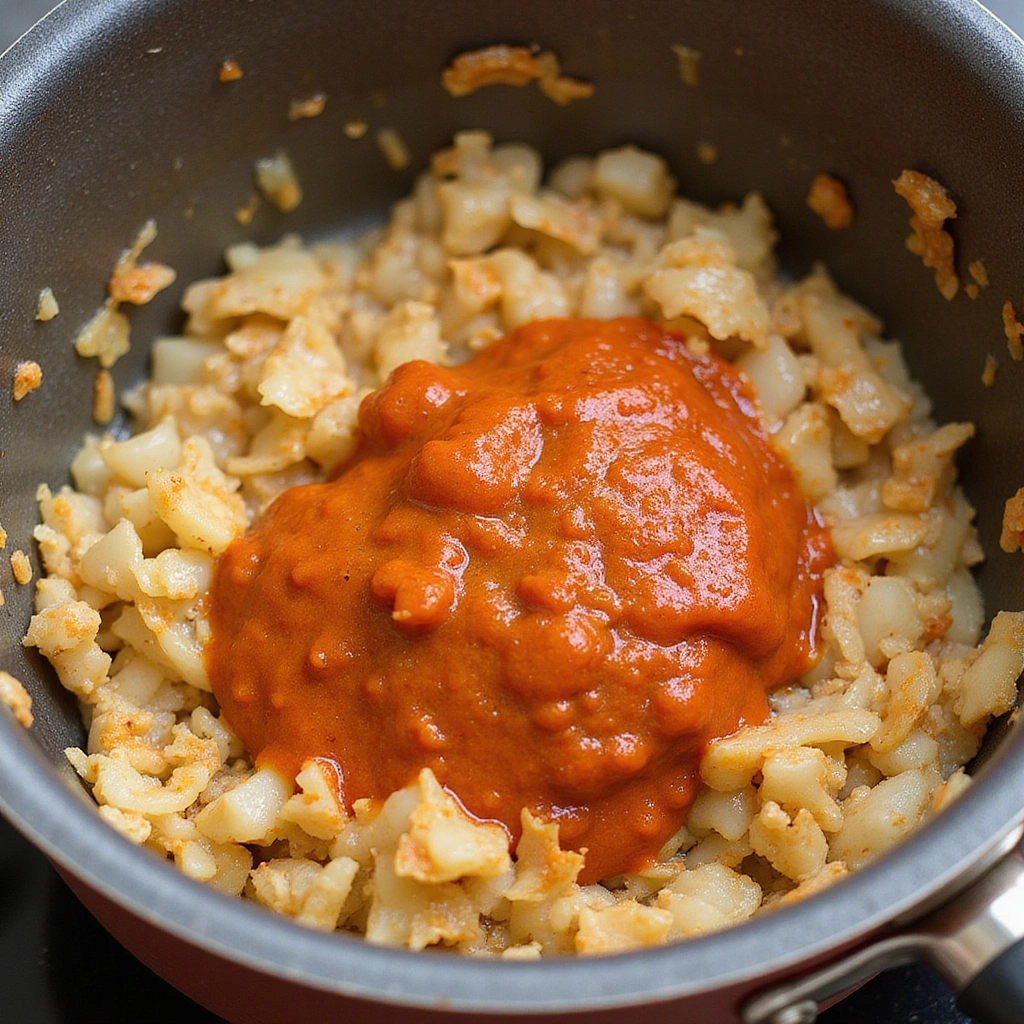
Once the onions are ready, add the red curry paste to the pot.
Stir it into the onions for about 2 minutes, allowing the spices to bloom.
This step enhances the flavor profile of the curry.
Ensure the paste is well mixed with the onions, creating a fragrant base.
Step 4: Incorporate the Sweet Potatoes
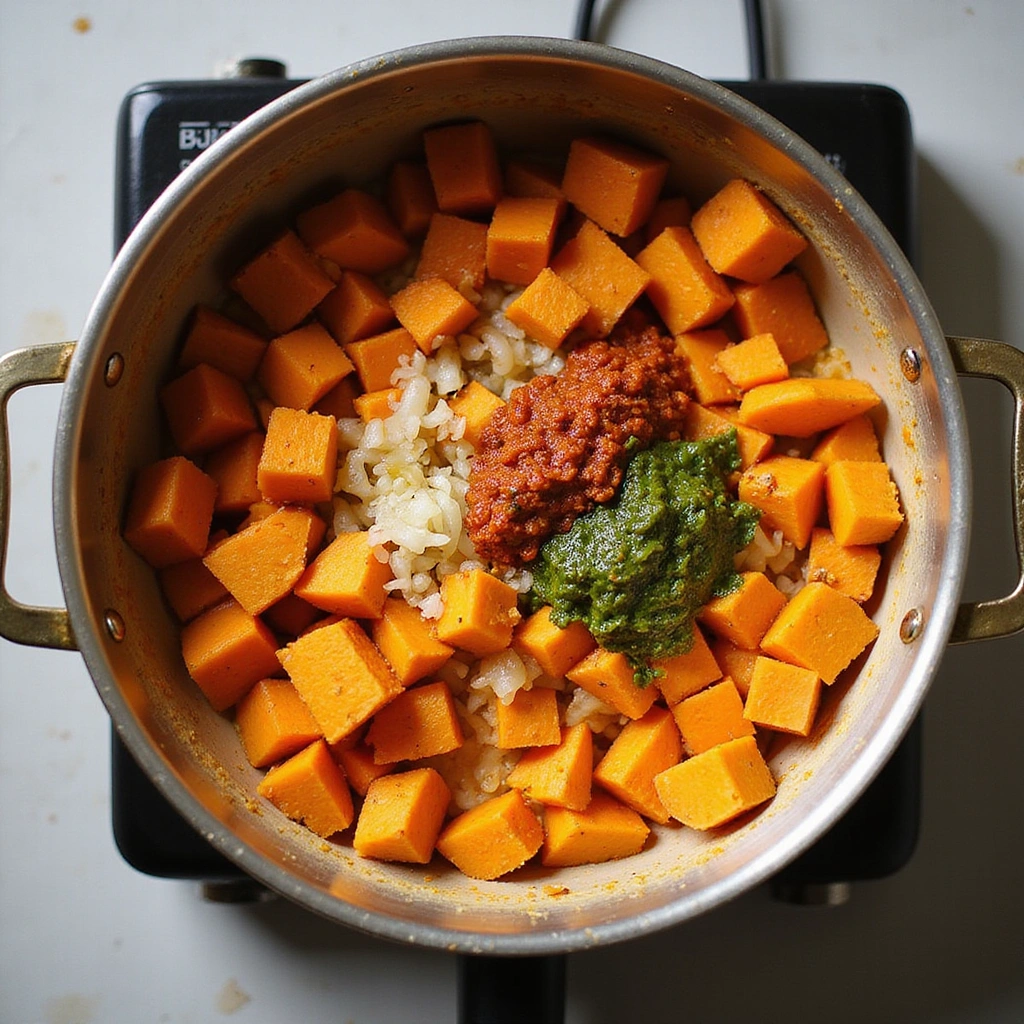
Add the diced sweet potatoes to the pot, stirring to coat them with the spice mixture.
This helps the sweet potatoes absorb the flavors of the curry.
Cook for about 2 minutes, stirring frequently.
Watch for the sweet potatoes to start softening slightly.
Step 5: Pour in the Coconut Milk
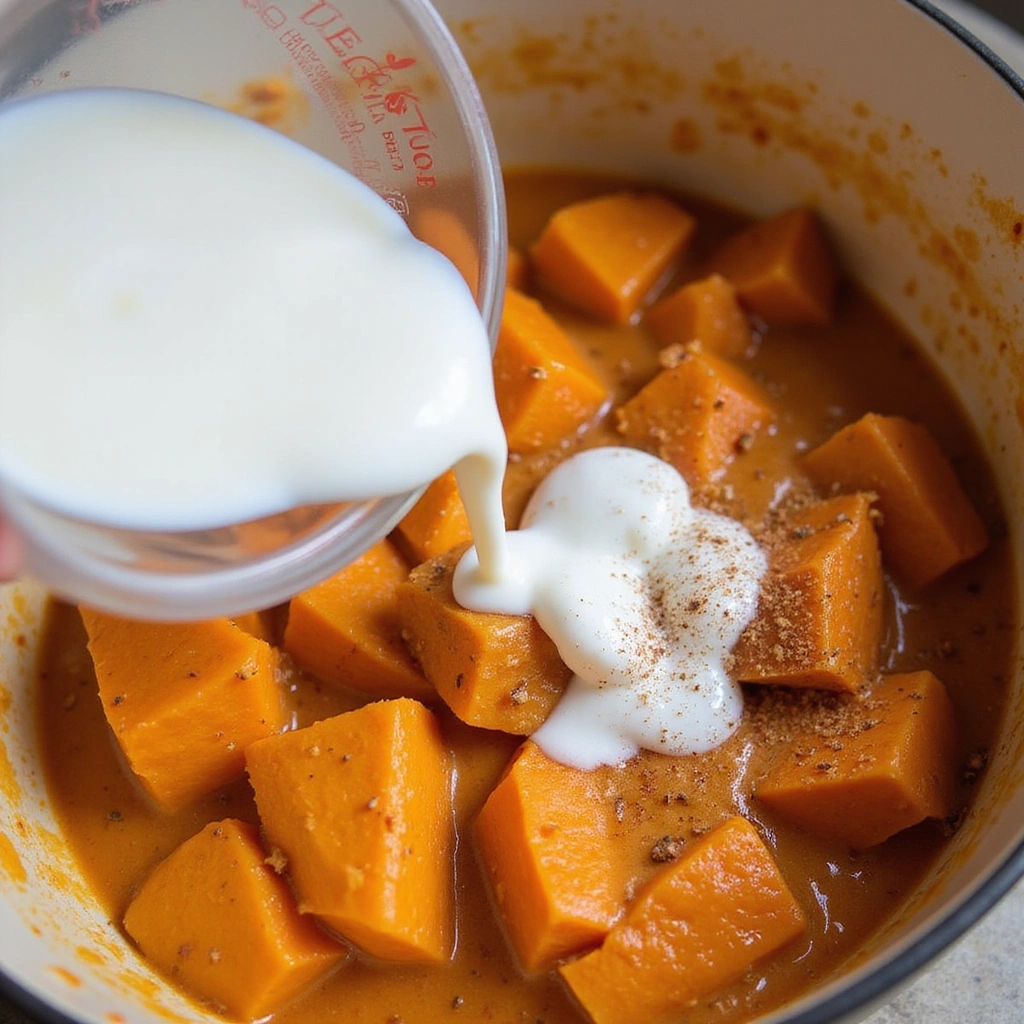
Pour the coconut milk into the pot with the sweet potatoes.
Stir well to combine all the ingredients, ensuring no clumps of curry paste remain.
Bring the mixture to a gentle simmer.
Look for small bubbles forming on the surface as it heats up.
Step 6: Simmer the Curry
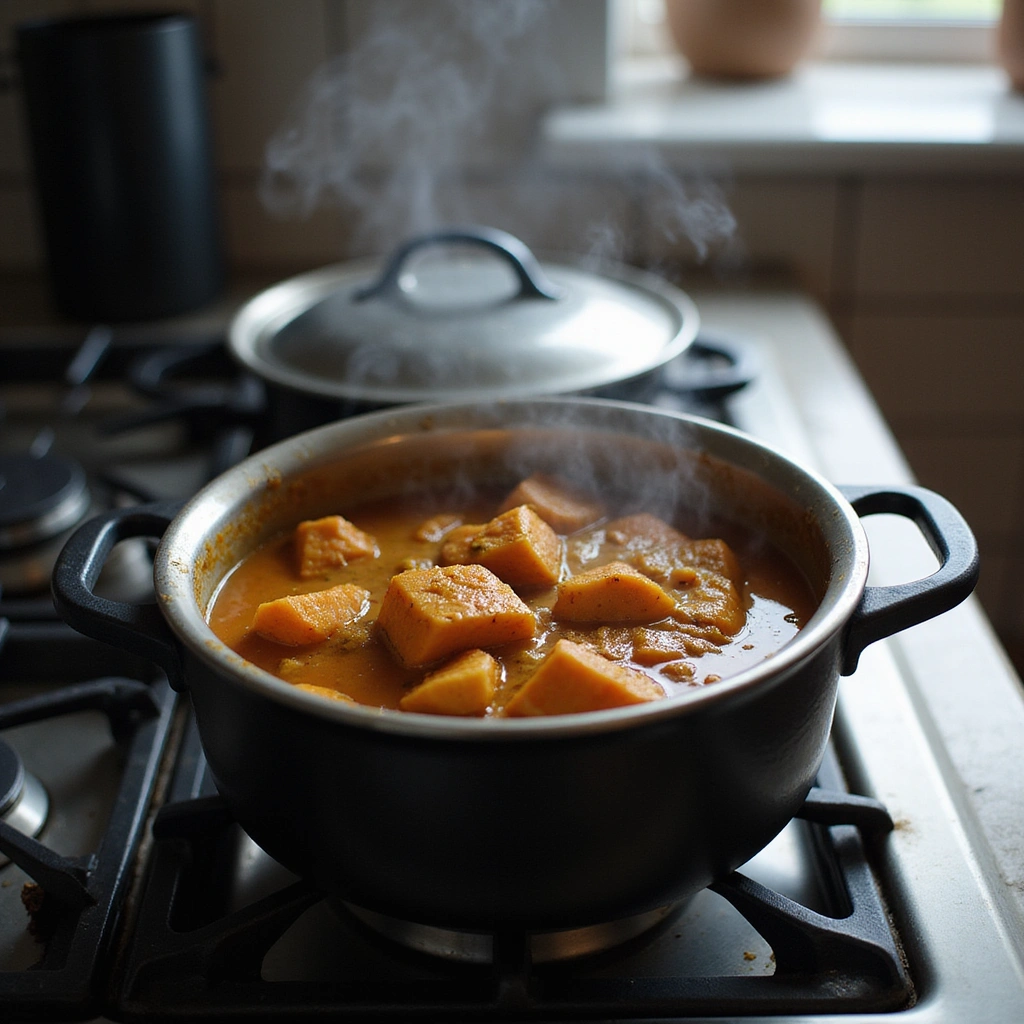
Reduce the heat to low and cover the pot.
Let the curry simmer for about 20 minutes, or until the sweet potatoes are tender.
Stir occasionally to prevent sticking.
Check for tenderness by piercing a sweet potato with a fork; it should be soft but not mushy.
Step 7: Add Spinach
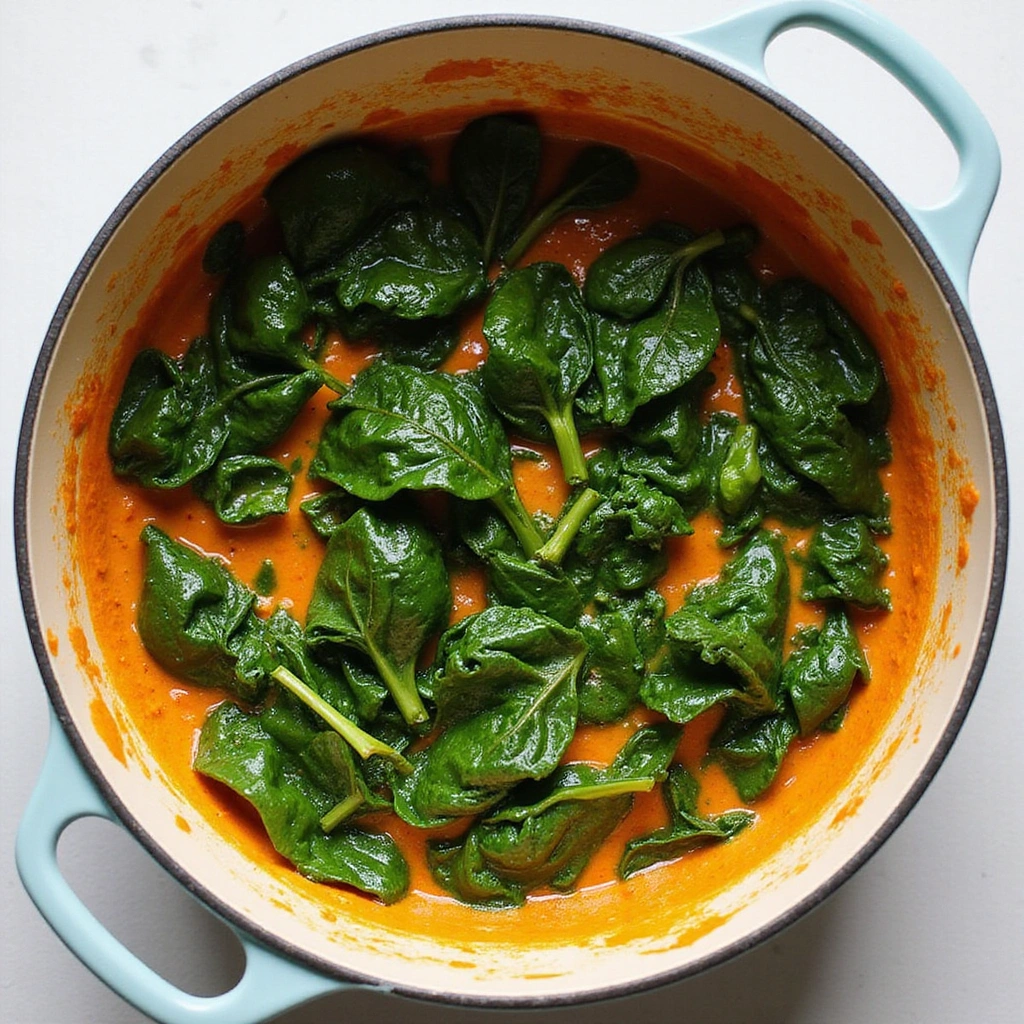
Once the sweet potatoes are tender, add the spinach to the pot.
Stir it in until it wilts down, which takes about 2-3 minutes.
Spinach adds a vibrant color and extra nutrients to the dish.
Ensure the spinach is evenly distributed throughout the curry.
Step 8: Season and Serve
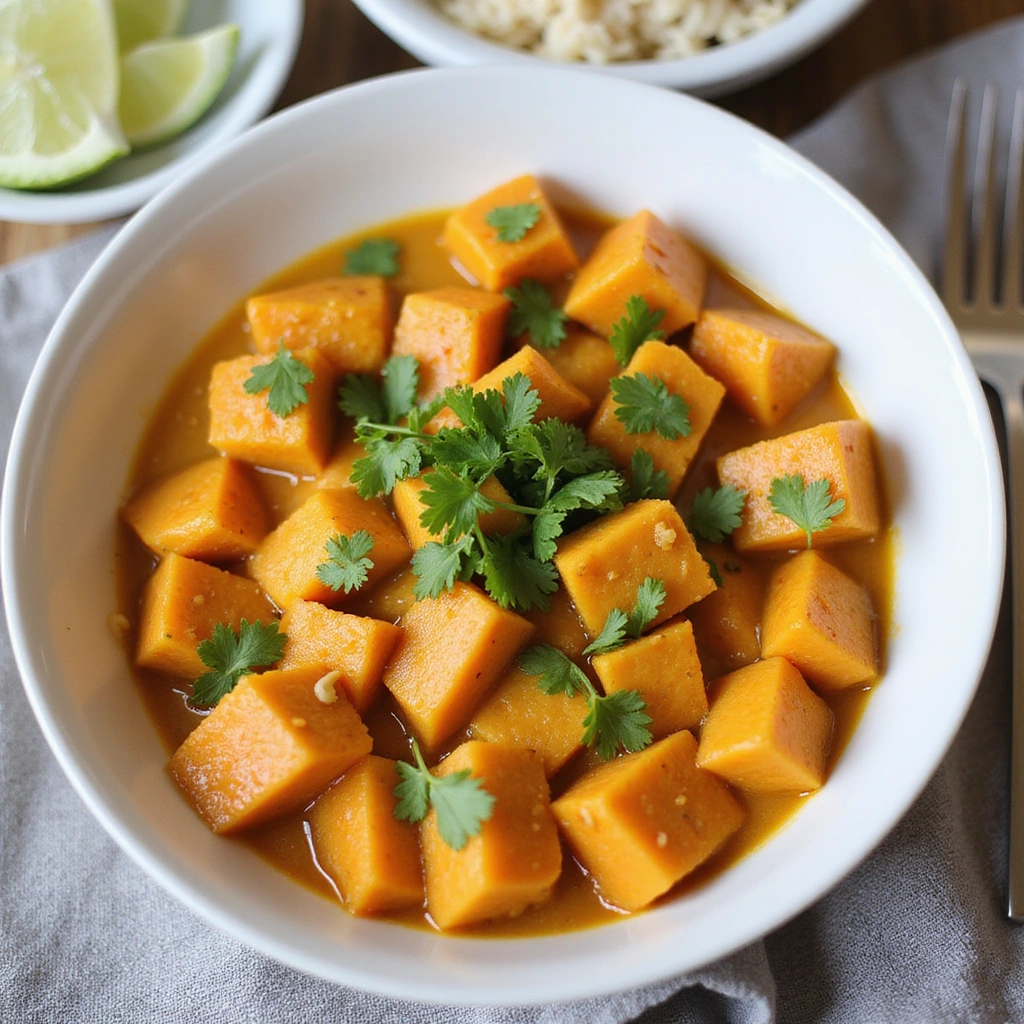
Taste the curry and adjust seasoning with salt and pepper as needed.
Serve hot, garnished with fresh cilantro or lime wedges if desired.
Pair with rice or naan for a complete meal.
Enjoy the creamy comfort of your homemade sweet potato curry.
Critical Timing and Temperature Guide
Cooking Sweet Potatoes: Sweet potatoes should be cooked until fork-tender, which usually takes about 20 minutes. Check frequently to avoid overcooking, which can lead to mushiness.
Simmering the Curry: Simmering should be done on low heat to prevent scorching. Look for small bubbles and a gentle steam; this indicates the curry is cooking properly without boiling over.
Adding Spinach: Spinach should only take a few minutes to wilt. Overcooking can lead to a loss of vibrant color and nutrients.
Pro Tips for Sweet Potato Curry Recipes Creamy & Healthy Comfort
• Ingredient Selection: Opt for fresh, organic sweet potatoes and high-quality coconut milk for the best flavor and richness.
• Preparation Secret: Soaking the sweet potatoes in water for 10 minutes before cooking can help them cook more evenly.
• Temperature Management: Ensure your pot is preheated before adding ingredients to help in achieving better caramelization of the onions.
• Texture Enhancement: For a creamier texture, blend a portion of the curry before serving.
• Flavor Layering: Add a splash of lime juice at the end to brighten the flavors.
• Make-Ahead Strategies: The curry can be prepared a day in advance; simply reheat gently before serving.
• Restaurant-Quality Finishing Touches: Drizzle a bit of coconut cream over the top before serving for an elegant touch.
• Equipment Optimization: Use a heavy-bottomed pot to prevent burning and ensure even cooking.
Troubleshooting Common Issues
• Texture Too Dense: This can happen if too much curry paste is used or if the sweet potatoes are overcooked. To fix, add a little more coconut milk to lighten the curry.
• Flavors Unbalanced: If the curry tastes flat, try adding a pinch of salt or a squeeze of lime juice to brighten the flavors.
• Too Spicy: If the curry is too spicy, add more coconut milk or sweet potatoes to dilute the heat.
• Burning at the Bottom: If this occurs, reduce the heat and add a splash of water to loosen the bottom layer while stirring.
• Not Creamy Enough: If the curry lacks creaminess, blend a portion of it to achieve a smoother texture and add richness.
Variations and Regional Differences
• Thai Sweet Potato Curry: This version typically includes more herbs like basil and lemongrass, along with a variety of vegetables such as bell peppers and green beans.
• Indian Sweet Potato Curry: Often made with a blend of spices like garam masala and turmeric, this variation can include peas and is typically served with rice.
• Modern Vegan Adaptation: This version substitutes coconut milk with cashew cream for a different creamy texture while remaining plant-based.
• Spicy Caribbean Style: Incorporating habanero peppers and allspice, this variation has a distinct kick and a complex flavor profile.
Food Science Behind the Recipe
• Emulsification: The process of combining fat and water in coconut milk creates a creamy texture, essential for the curry’s mouthfeel.
• Caramelization: Sautéing onions until they are golden enhances their natural sweetness, adding depth to the dish.
• Starch Gelatinization: Cooking sweet potatoes allows their starches to gelatinize, resulting in a creamy texture that thickens the curry.
Frequently Asked Questions
What’s the most common mistake people make when preparing Sweet Potato Curry? Overcooking the sweet potatoes can lead to a mushy texture. Keep an eye on them and test for doneness with a fork.
Can I prepare components of this dish in advance? Yes, you can chop vegetables and make the curry base a day ahead. Store in the fridge and reheat before serving.
How do I adapt this recipe for dietary restrictions? To make it gluten-free, ensure your curry paste is gluten-free and you can use vegetable broth instead of coconut milk for a lower-fat version.
What’s the best way to store and reheat leftovers? Store in an airtight container in the fridge for up to 3 days. Reheat on the stove over low heat, adding a splash of water if necessary.
Can I freeze this dish? Yes, freeze in an airtight container for up to 2 months. Thaw in the fridge overnight before reheating.
What wine or beverages pair best with this dish? A crisp white wine like Sauvignon Blanc or a light beer works well with the rich flavors of the curry.
How can I scale this recipe up for a crowd? Simply multiply the ingredients by the number of servings needed, ensuring to use a larger pot to accommodate the increased quantity.
What side dishes complement this recipe best? Serve with jasmine rice or naan bread to balance the flavors of the curry.
How do professional chefs elevate this dish for restaurant service? They often add a garnish of microgreens or edible flowers for visual appeal.
Serving and Presentation Guide
• Traditional Presentation: Serve the curry in a large bowl, garnished with fresh cilantro and lime wedges, alongside a mound of fluffy rice.
• Modern Plating Ideas: Use a deep plate and create a swirl of coconut cream on top, garnished with chili flakes for a pop of color.
• Accompaniment Suggestions: Pair with mango chutney or a fresh cucumber salad to enhance the meal.
• Special Occasion Presentation: For celebrations, serve in individual bowls, adding a sprinkle of pomegranate seeds for a festive touch.
Conclusion
Sweet Potato Curry is a delightful dish that brings warmth and comfort to any table.
I encourage you to try this recipe and make it your own with personal touches.
Each spoonful is a reminder of how simple ingredients can create something truly special.
Enjoy the process and the delicious results!