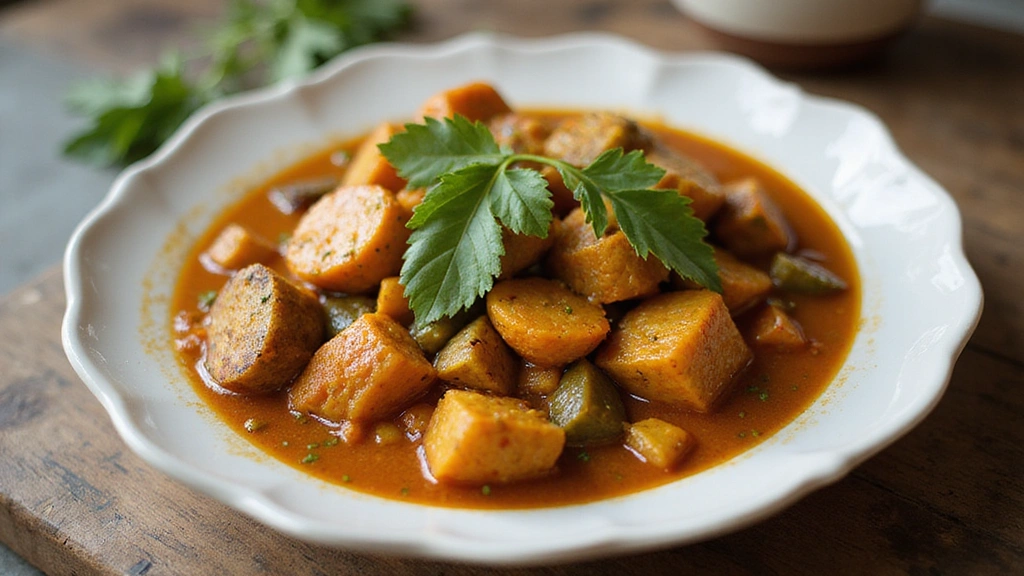
Sri Lankan Vegetable Curry is a vibrant, fragrant dish that captures the essence of Sri Lankan cuisine in every bite.
The combination of fresh vegetables and aromatic spices creates a symphony of flavors that dance on the palate.
I first encountered this delightful curry at a small village home, where the cook shared her secrets passed down through generations.
It’s a dish that perfectly balances health and indulgence, making it an ideal choice for both everyday meals and festive occasions.
The History and Cultural Significance
• Sri Lankan Vegetable Curry traces its origins to the island’s rich agricultural heritage, where diverse vegetables are cultivated year-round.
• The dish evolved over decades, incorporating influences from Indian and Portuguese cuisines, eventually becoming a staple in Sri Lankan households.
• In Sri Lanka, this dish traditionally appears during festive celebrations and family gatherings, symbolizing hospitality and community.
• While many variations exist across different regions, the authentic version maintains a base of coconut milk and a unique blend of spices that sets it apart from imitations.
Recipe Overview
Nutritional Information (per serving)
Ingredients
Essential Equipment Guide
Heavy-bottomed Pot: A sturdy pot is crucial for even heat distribution, preventing burning and ensuring the vegetables cook uniformly. Look for options with a thick base and good lid seal to retain moisture.
Wooden Spoon: This tool is ideal for stirring without scratching your pot, ensuring the integrity of your cookware. A long handle is preferable for safely mixing hot ingredients.
Measuring Cups and Spoons: Accurate measurements are essential for balancing the spices and achieving the right flavor profile. Opt for sets that include both dry and liquid measuring tools.
Preparation Methods
Chopping Vegetables: Properly chopping vegetables into uniform sizes ensures they cook evenly and consistently. Use a sharp knife for clean cuts, and always keep fingers tucked in for safety.
Blooming Spices: This technique involves cooking spices in oil to release their essential oils and flavors. Heat the oil before adding spices, stirring constantly to avoid burning, which can lead to bitterness.
Coconut Milk Incorporation: Adding coconut milk should be done at a low simmer to prevent separation. Stir gently to combine, ensuring the sauce maintains a creamy texture without curdling.
Step 1: Prepare Ingredients
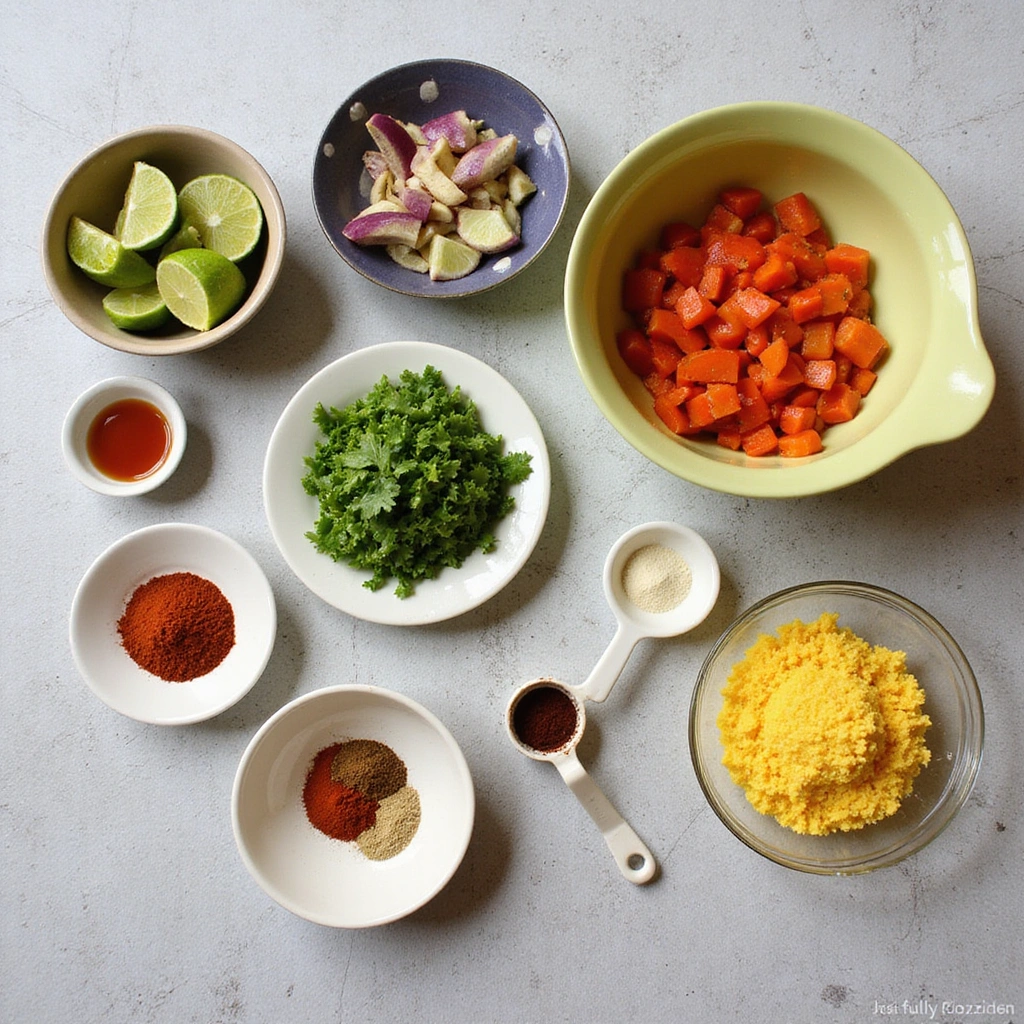
Begin by gathering all the ingredients on your countertop.
Wash and chop the vegetables as specified in the ingredients list.
Ensure everything is prepped before you start cooking to streamline the process.
Having your ingredients ready will make following the recipe much easier.
Step 2: Heat Coconut Oil
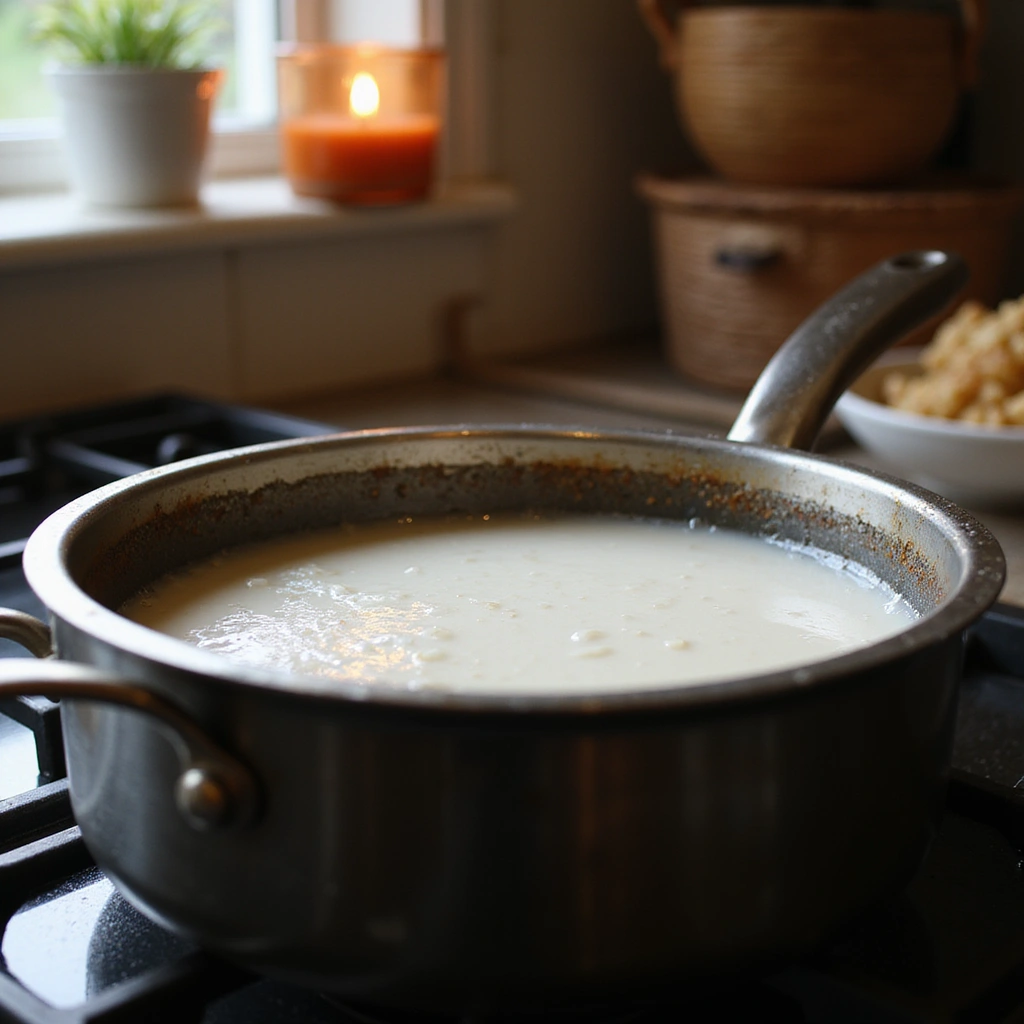
In a heavy-bottomed pot, heat the coconut oil over medium heat.
Allow it to melt completely before moving on to the next step, ensuring even heat distribution.
You will know the oil is ready when it shimmers slightly.
This is the foundation for developing rich flavors in your curry.
Step 3: Sauté the Onions
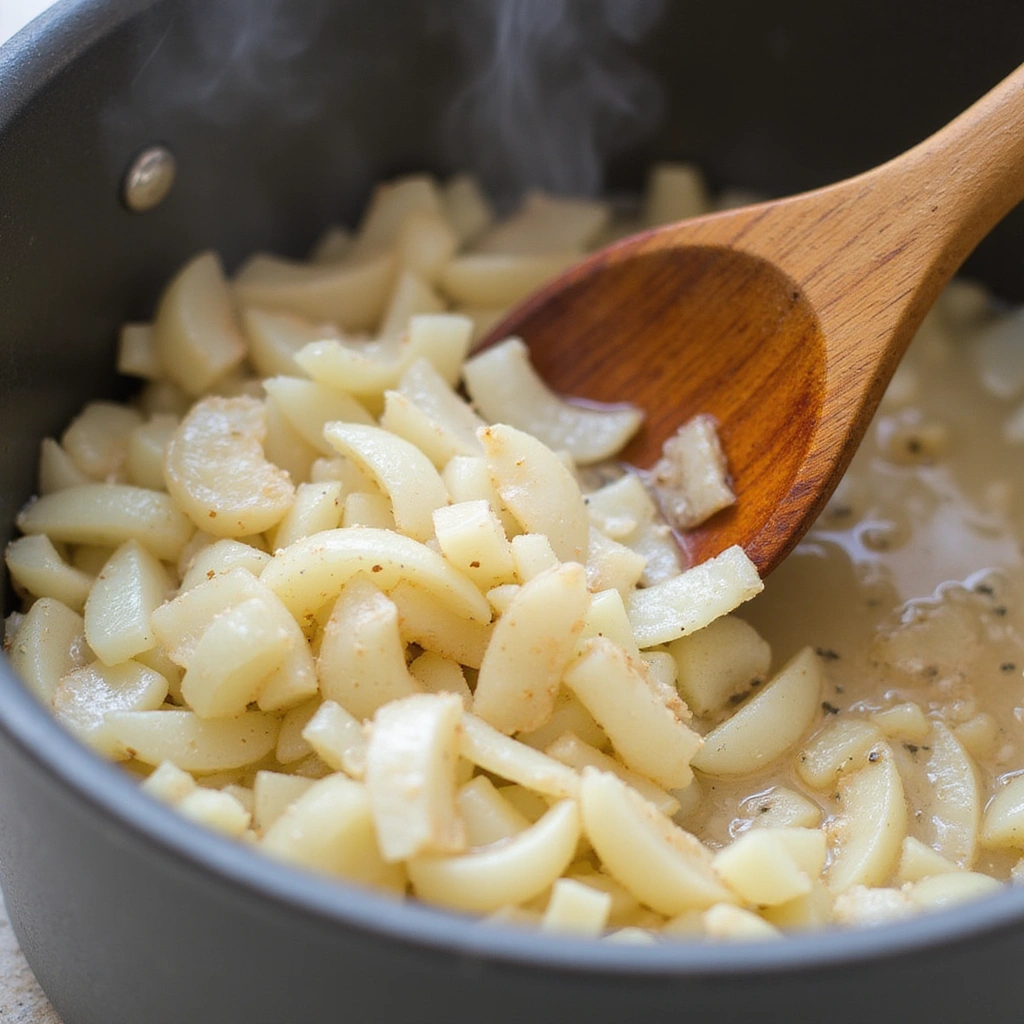
Add the finely chopped onion to the pot and sauté until translucent.
Stir frequently to prevent sticking and burning, which can affect the flavor.
This step usually takes about 5 minutes, and the onions will soften and turn golden.
Properly sautéed onions provide a sweet base for the curry.
Step 4: Add the Vegetables
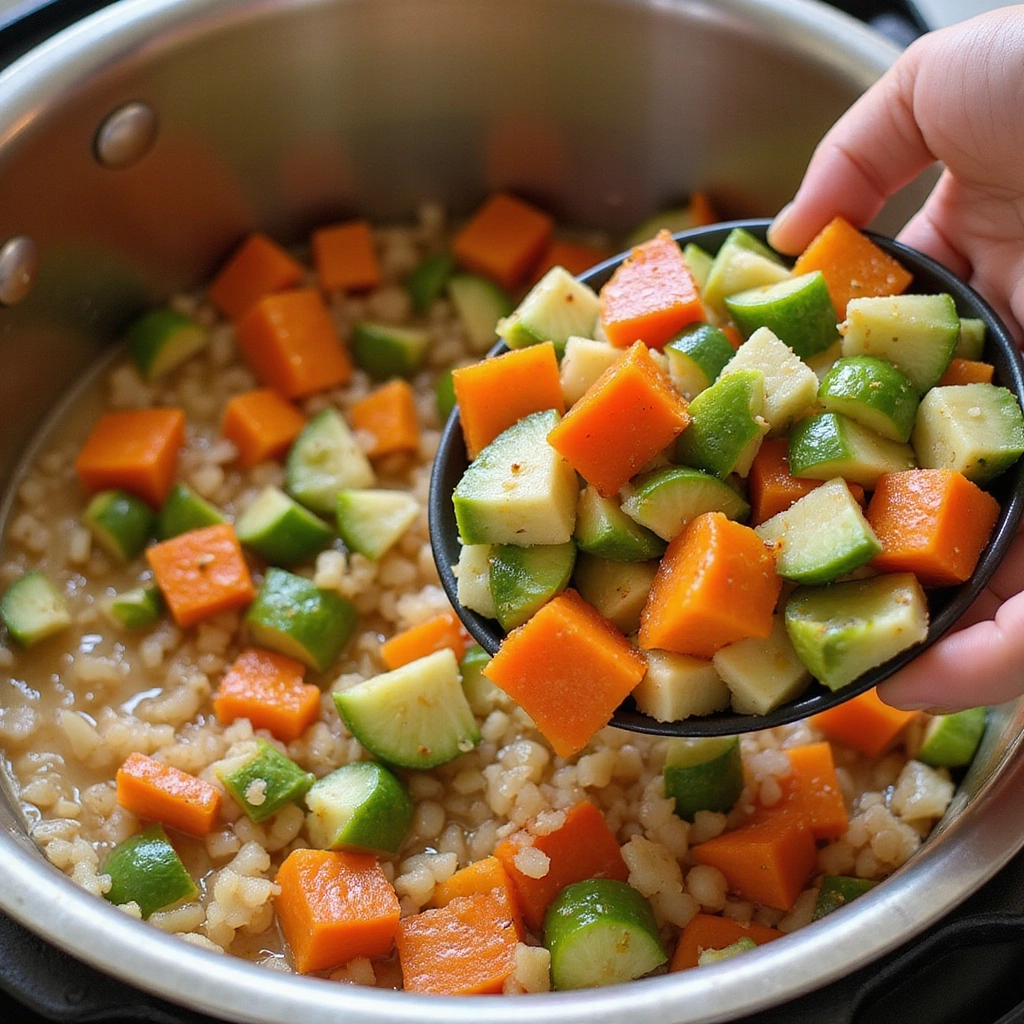
Once the onions are golden, add the sliced carrots, bell pepper, green beans, zucchini, and cauliflower florets to the pot.
Stir well to combine with the onions, ensuring all vegetables are coated in the oil.
Cook for about 5-7 minutes, stirring occasionally until the vegetables begin to soften.
This step allows the vegetables to absorb the flavors from the onions and oil.
Step 5: Bloom the Spices
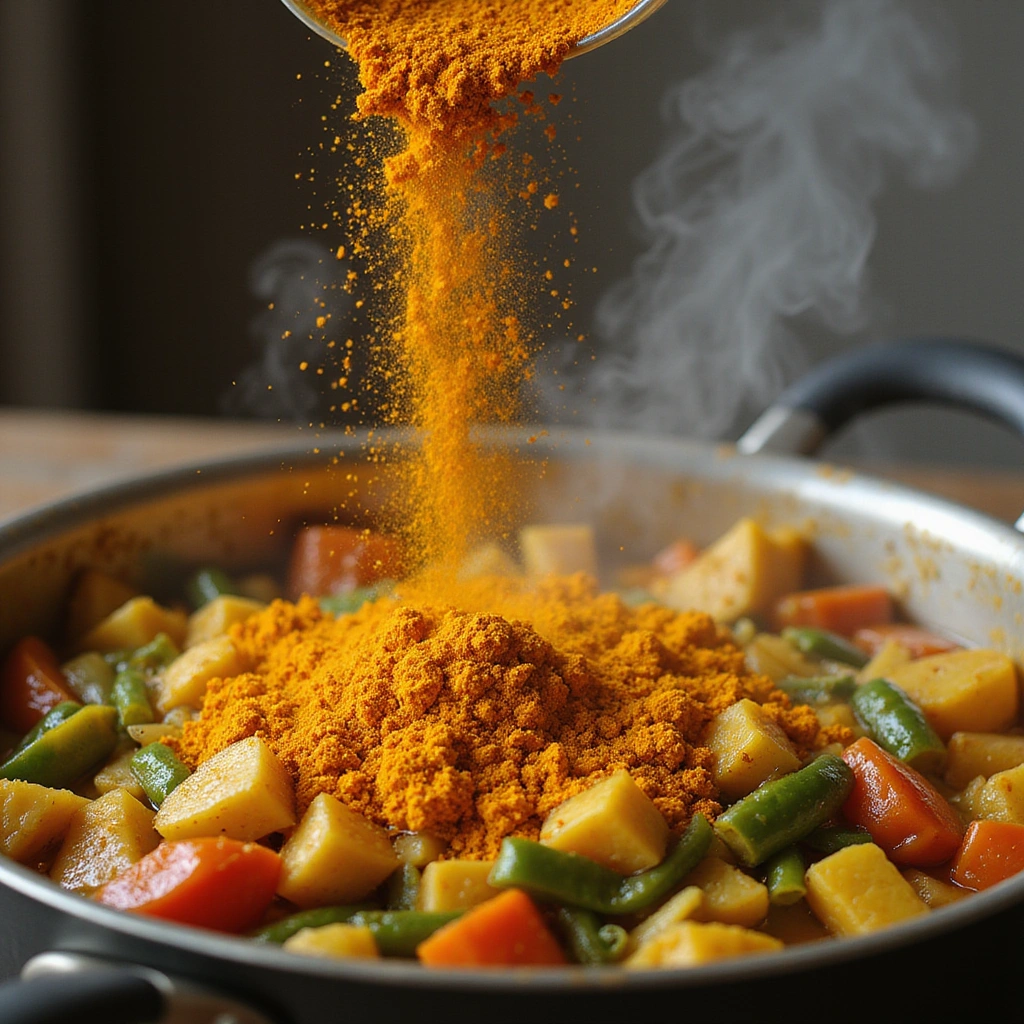
Sprinkle the curry powder, salt, and black pepper over the sautéed vegetables.
Stir continuously for about 2 minutes, allowing the spices to bloom and release their aroma.
This is a crucial step for enhancing the depth of flavor in the dish.
Ensure the spices do not burn; reduce heat if necessary.
Step 6: Pour in Coconut Milk
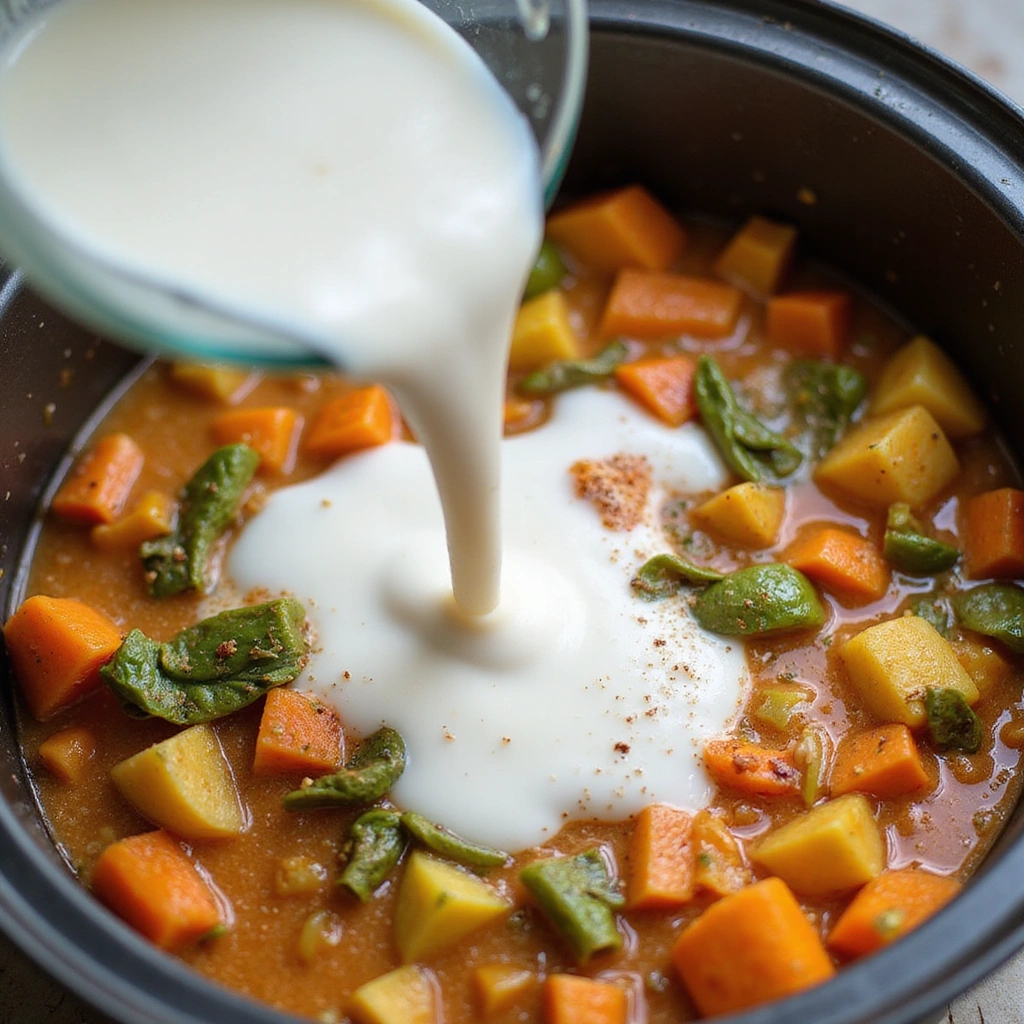
Gradually pour the coconut milk into the pot, stirring to combine it with the vegetables and spices.
Increase the heat to bring the mixture to a gentle simmer.
Simmer for about 15 minutes, allowing the flavors to meld and the vegetables to cook through.
You want the sauce to thicken slightly while remaining creamy.
Step 7: Adjust Seasoning
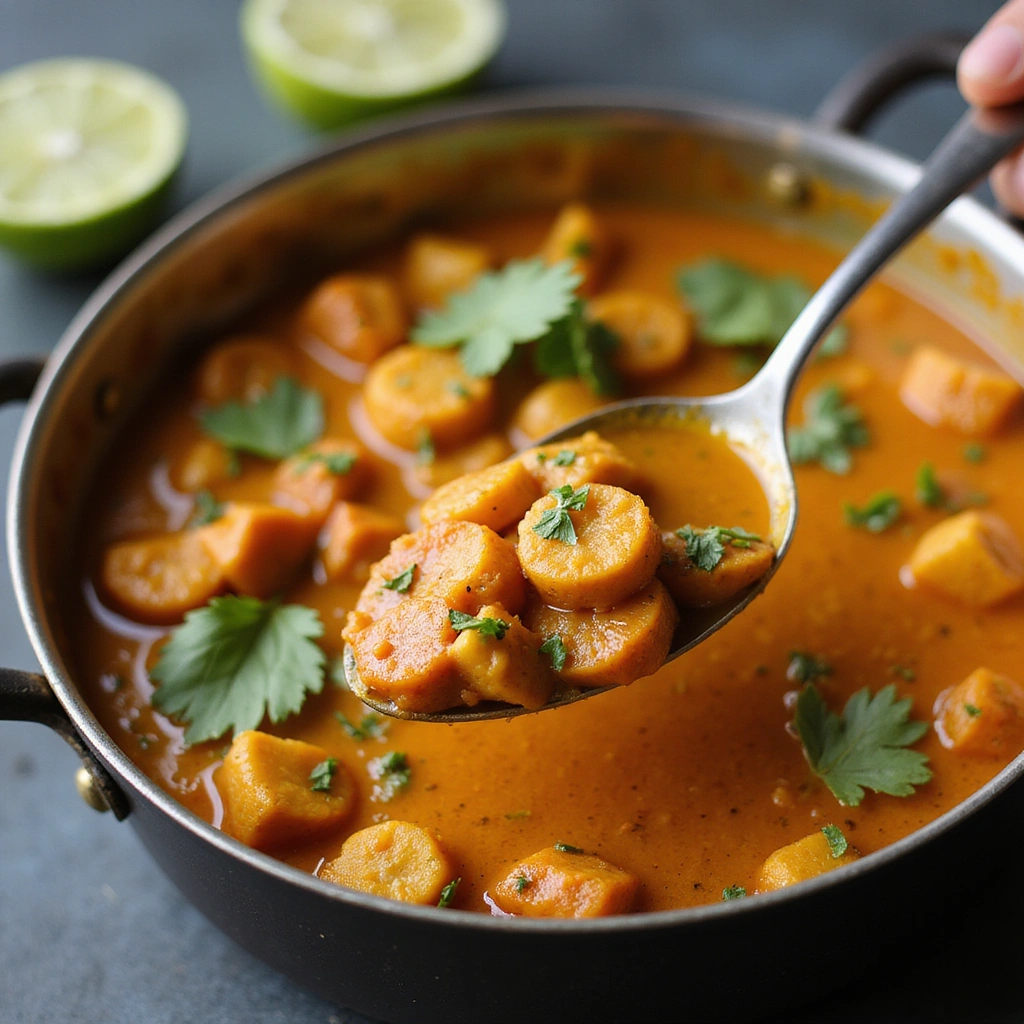
After simmering, taste the curry and adjust the seasoning as needed.
Add more salt or pepper based on your preference, and a splash of lime juice for brightness.
Mix well and allow it to simmer for an additional 2-3 minutes.
This final seasoning step is key to achieving a balanced flavor.
Step 8: Serve and Enjoy
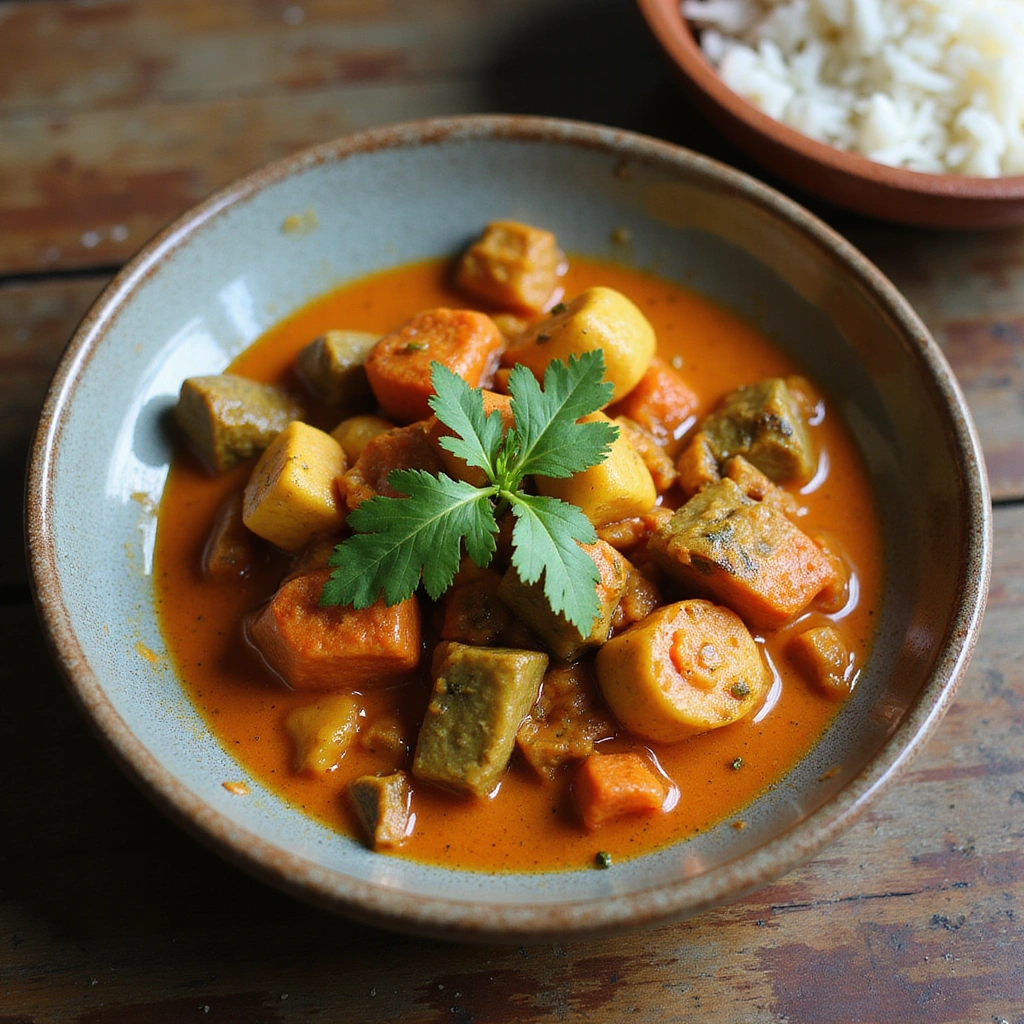
Once the curry is ready, remove it from the heat and let it sit for a few minutes to settle.
Serve hot alongside steamed rice or with crusty bread.
Garnish with fresh coriander for an added touch of flavor and color.
Enjoy the fragrant and nutritious dish that is sure to impress your family and friends.
Critical Timing and Temperature Guide
Sautéing Onions: Cook until they are golden, about 5 minutes. Watch for a translucent color change. Overcooking can lead to bitterness, so stir frequently.
Simmering Vegetables: Allow the vegetables to simmer for about 15 minutes. Look for a tender texture without mushiness. Under-simmering can result in crunchiness, which may not be desirable.
Final Seasoning Adjustments: After adding coconut milk, simmer for an additional 2-3 minutes. Taste for seasoning; it should be well-balanced. Adjusting at this stage is critical for flavor depth.
Pro Tips for Sri Lankan Vegetable Curry Recipes Fragrant & Nutritious
• Ingredient Selection: Choose fresh, seasonal vegetables for the best flavor and nutrition. Items like eggplant and squash can enhance the dish’s texture.
• Preparation Secret: Soaking spices in the coconut oil before adding them to the pot can intensify their flavors significantly.
• Temperature Management: Keeping your heat at medium-low when simmering helps maintain a creamy coconut milk texture.
• Texture Enhancement: For a creamier texture, blend a portion of the cooked vegetables with the sauce before serving.
• Flavor Layering: Incorporate a pinch of cinnamon or cardamom for a unique twist that adds warmth and complexity.
• Make-Ahead Strategies: Prepare the vegetable base a day in advance. Store in the refrigerator and add coconut milk when ready to cook.
• Restaurant-Quality Finishing Touches: Drizzle a little coconut cream on top just before serving for a luxurious finish.
• Equipment Optimization: Use a heavy-bottomed pot to prevent scorching and ensure even cooking.
Troubleshooting Common Issues
• Flavor Too Bland: This can happen if spices are not bloomed properly. Ensure you sauté spices before adding other ingredients, and taste during cooking to adjust seasoning.
• Curry Too Watery: If the sauce is too thin, allow it to simmer uncovered for a few additional minutes. This will help reduce and thicken the sauce.
• Vegetables Overcooked: If vegetables become mushy, reduce cooking time and check for doneness earlier. Cooking too long can lead to loss of texture.
• Too Much Heat: If the curry is too spicy, add more coconut milk to mellow the heat. A pinch of sugar can also help balance flavors.
• Coconut Milk Curdled: This can occur if added at high heat. Always add coconut milk when the dish is at a low simmer to prevent curdling.
Variations and Regional Differences
• Southern Sri Lanka Style: This version includes tamarind for a tangy twist, alongside traditional ingredients, highlighting the region’s unique flavor preferences.
• North Indian Influence: Incorporates paneer cheese for added protein, creating a richer version that combines elements of both cuisines.
• Vegetarian Sri Lankan Kottu: A stir-fried variation with chopped roti, this dish uses similar spices but adds a textural component with flatbread.
• Modern Interpretations: Contemporary chefs often introduce quinoa or chickpeas for added health benefits, appealing to modern dietary trends while maintaining the essence of the dish.
Food Science Behind the Recipe
• Emulsification: Coconut milk is an emulsion of fat and water, and understanding how to incorporate it without separation is key to a creamy sauce.
• Maillard Reaction: The browning of the onions during sautéing creates complex flavors through the Maillard reaction, essential for a rich base.
• Flavor Compounding: Layering spices and allowing them to bloom in oil enhances the overall flavor profile, making each bite more satisfying.
Frequently Asked Questions
What’s the most common mistake people make when preparing Sri Lankan Vegetable Curry? Overcooking vegetables can lead to a mushy texture. Always check for doneness early to ensure a pleasant bite.
Can I prepare components of this dish in advance? Yes, you can chop vegetables and store them in an airtight container in the refrigerator for up to 2 days.
How do I adapt this recipe for dietary restrictions? To make it vegan, ensure all ingredients are plant-based, and you can substitute coconut cream for dairy cream if desired.
What’s the best way to store and reheat leftovers? Store in an airtight container in the fridge for up to 3 days. Reheat gently on the stove to avoid curdling the coconut milk.
Can I freeze this dish? Yes, it can be frozen for up to 3 months. Thaw overnight in the fridge and reheat gently before serving.
What wine or beverages pair best with this dish? A light-bodied white wine like Sauvignon Blanc complements the spices beautifully, enhancing the overall dining experience.
How can I scale this recipe up for a crowd? Simply multiply the ingredients by the number of servings desired, but be cautious with cooking times as larger quantities may take longer to simmer.
What side dishes complement this recipe best? Roti or naan bread are excellent accompaniments, as they can soak up the curry sauce deliciously.
How do professional chefs elevate this dish for restaurant service? Chefs often use high-quality coconut milk and fresh, seasonal vegetables, and they might finish the dish with a drizzle of coconut cream and microgreens.
Serving and Presentation Guide
• Traditional Presentation: Serve the curry in a deep bowl with a garnish of fresh coriander and a side of steamed rice, creating a warm, inviting appeal.
• Modern Plating Ideas: Use a shallow plate for a contemporary twist, layering rice and curry elegantly, and adding a sprinkle of chili flakes for color.
• Accompaniment Suggestions: Pair with a simple cucumber salad to add freshness and balance to the meal.
• Special Occasion Presentation: For festive settings, use decorative serving dishes and add edible flowers for a beautiful touch.
Conclusion
I hope this Sri Lankan Vegetable Curry recipe brings you joy and warmth in your kitchen.
The vibrant flavors and aromas are sure to create a memorable dining experience.
Give it a try, and enjoy the nourishing goodness of this delightful dish.