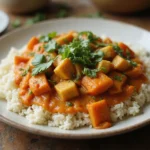
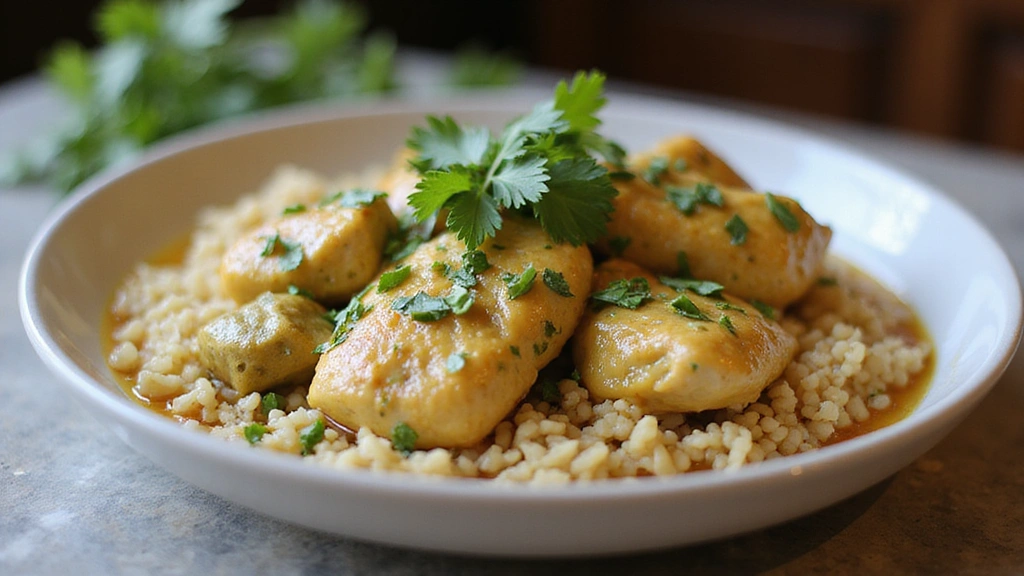
Green Curry Chicken is a vibrant and aromatic dish that encapsulates the essence of Thai cuisine.
The combination of fresh herbs, creamy coconut milk, and tender chicken creates a symphony of flavors that dance on your palate.
I first fell in love with this dish during a visit to Thailand, where the street vendors served it with such passion and care.
Now, with this recipe, you can recreate that restaurant-style experience in the comfort of your own home.
The History and Cultural Significance
• Green Curry Chicken traces its origins to Thailand, where it has been a staple since the late 19th century.
• The dish evolved over decades as regional ingredients became more accessible, eventually becoming the beloved version we know today.
• In Thai culture, this dish traditionally appears at celebrations such as Songkran (Thai New Year), symbolizing prosperity and happiness.
• While many variations exist across different regions in Thailand, the authentic version maintains its signature creamy consistency and vibrant color that sets it apart from imitations.
Recipe Overview
Nutritional Information (per serving)
Ingredients


Essential Equipment Guide
Wok: A wok is essential for stir-frying the chicken and vegetables quickly, allowing for the proper high-heat cooking that retains the ingredients’ textures. If you don’t have a wok, a large skillet can work, but look for one with high sides to prevent splatter.
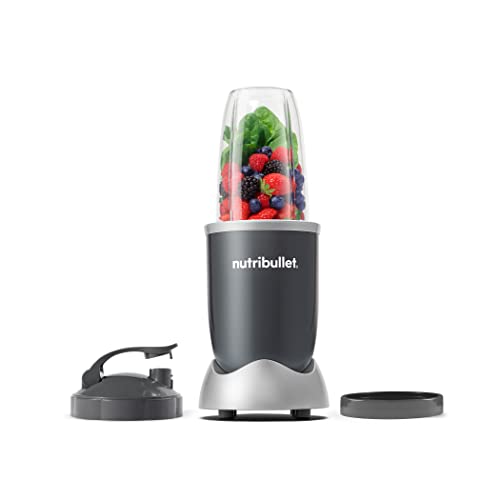
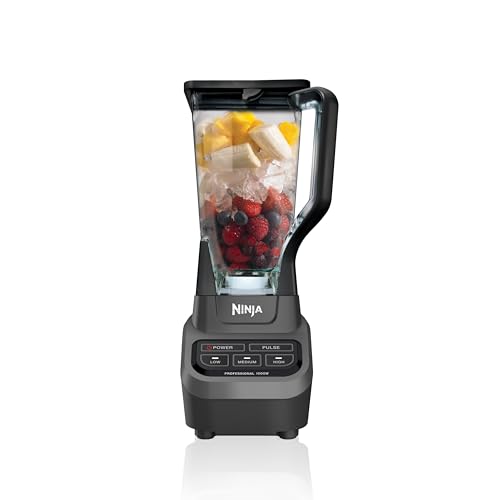
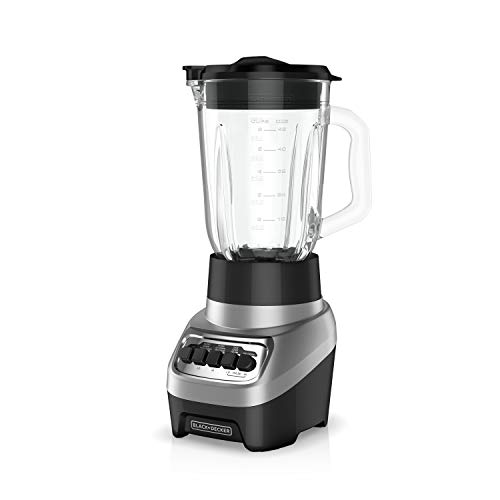
Blender or Food Processor: A blender or food processor is crucial for creating a smooth curry paste that incorporates all the aromatic ingredients seamlessly. A mortar and pestle can be an alternative for an authentic experience, but it requires more effort.
Measuring Cups and Spoons: Precise measurements are vital for balancing flavors in this dish. Invest in good-quality measuring tools to ensure accuracy, particularly for the curry paste and spices.



Preparation Methods
Making Green Curry Paste: This involves blending fresh herbs and spices to create a flavorful base. Use a high-speed blender for a smooth consistency. If you don’t have fresh ingredients, store-bought paste can be a shortcut, but homemade is always richer in flavor.
Stir-Frying: This technique is crucial for cooking the chicken and vegetables quickly over high heat. It allows for the Maillard reaction, which enhances flavor. Make sure your wok or skillet is hot before adding ingredients to prevent steaming.
Simmering: Simmering the curry allows the flavors to meld and the sauce to thicken. Do not rush this process; a gentle simmer develops depth. Keep an eye on the consistency and adjust with more coconut milk if it becomes too thick.
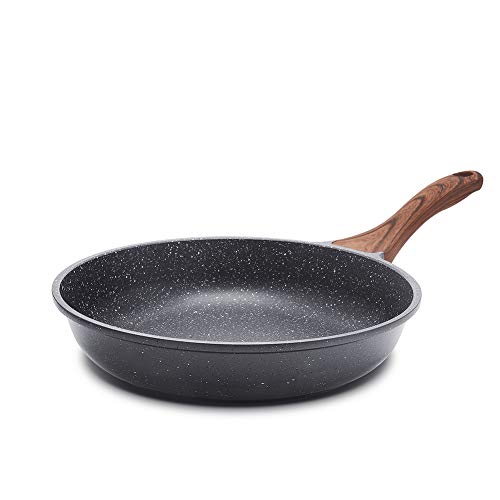



Step 1: Prepare Ingredients
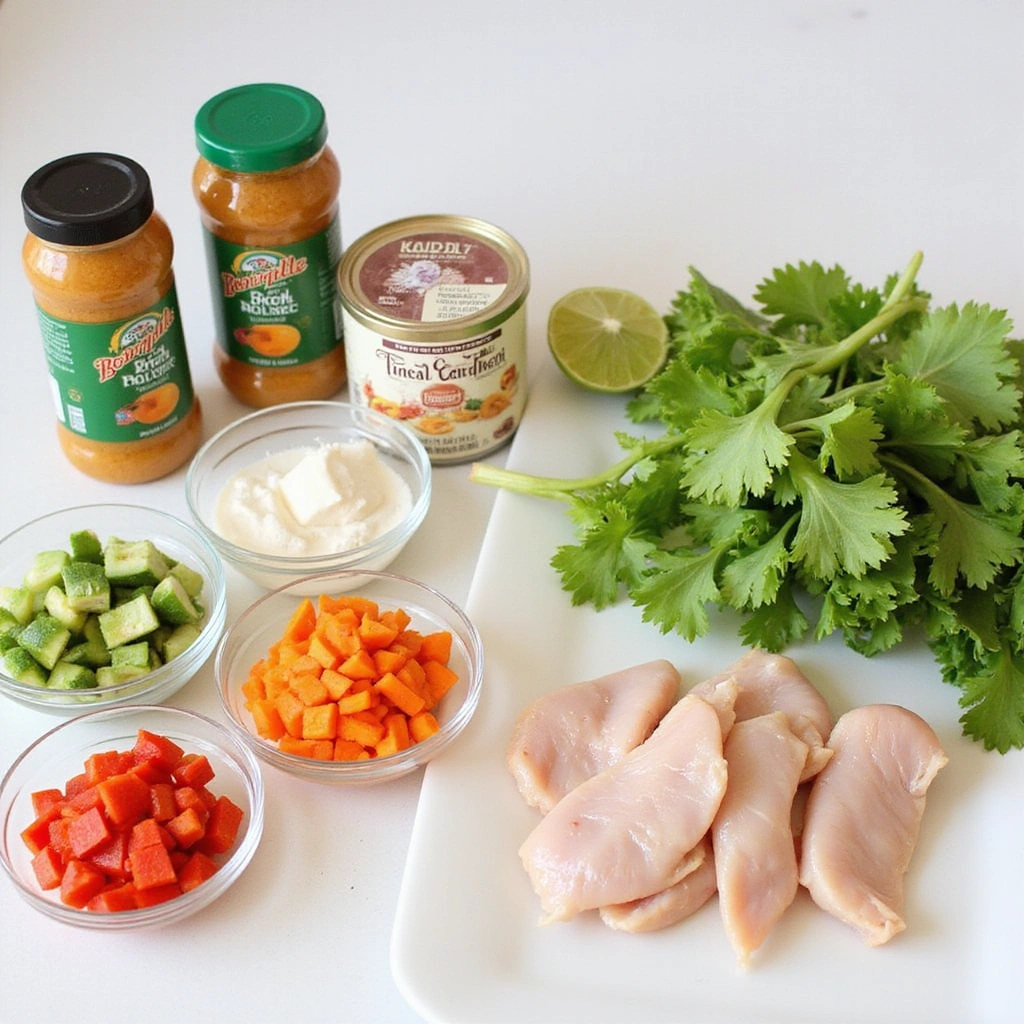
Gather all the ingredients needed for the recipe.
Make sure to wash and slice the vegetables and cut the chicken into bite-sized pieces.
Organize everything so it’s easy to access while cooking.
This will help streamline the cooking process and ensure you don’t miss any ingredients.
Step 2: Make the Green Curry Paste

In a blender, combine green curry paste ingredients.
Blend until smooth, adding a little water if necessary to facilitate blending.
You want a thick but pourable consistency without any lumps.
This step is essential for achieving the vibrant flavor profile of the dish.
Step 3: Cook the Chicken
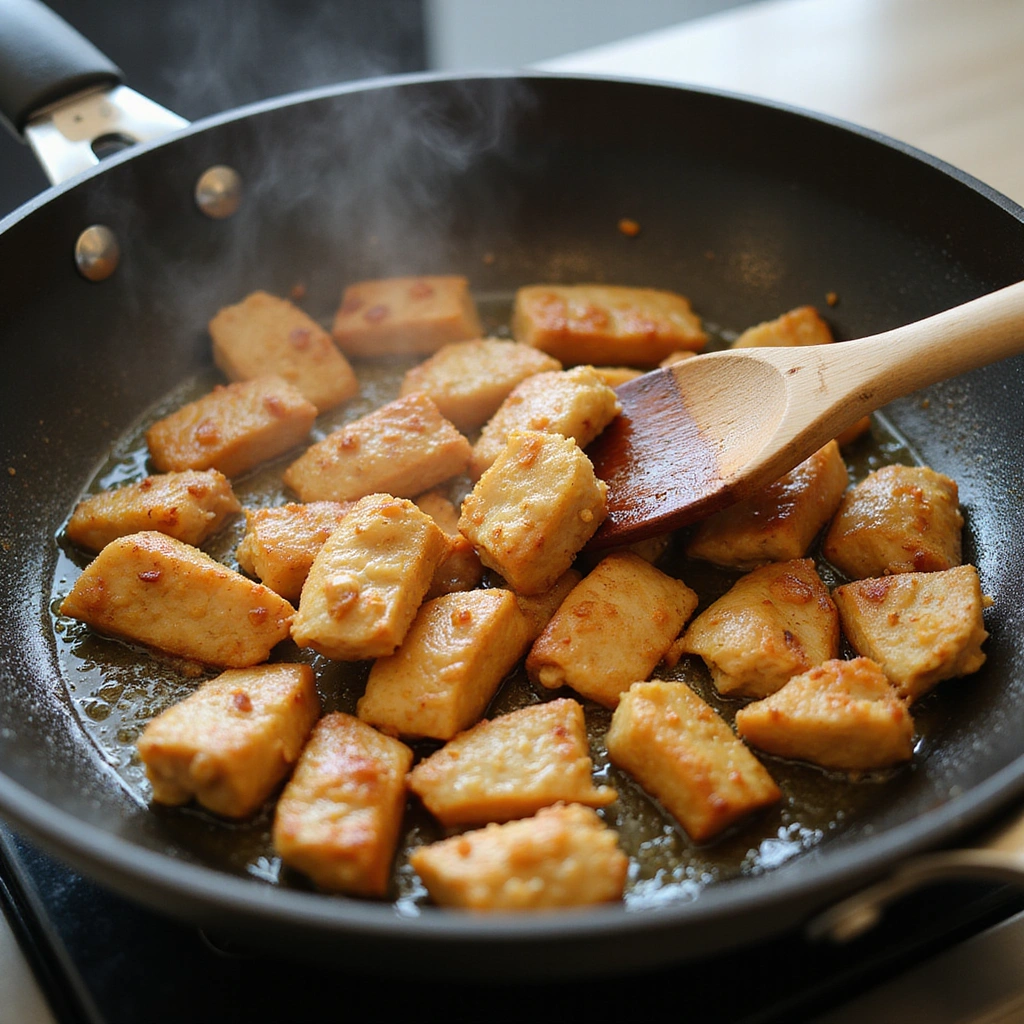
Heat the vegetable oil in a wok over medium-high heat.
Add the chicken pieces and cook until browned on all sides, about 5-7 minutes.
Ensure the chicken is fully cooked through and no longer pink in the center.
This step builds the foundational flavor for the curry.
Step 4: Add the Curry Paste
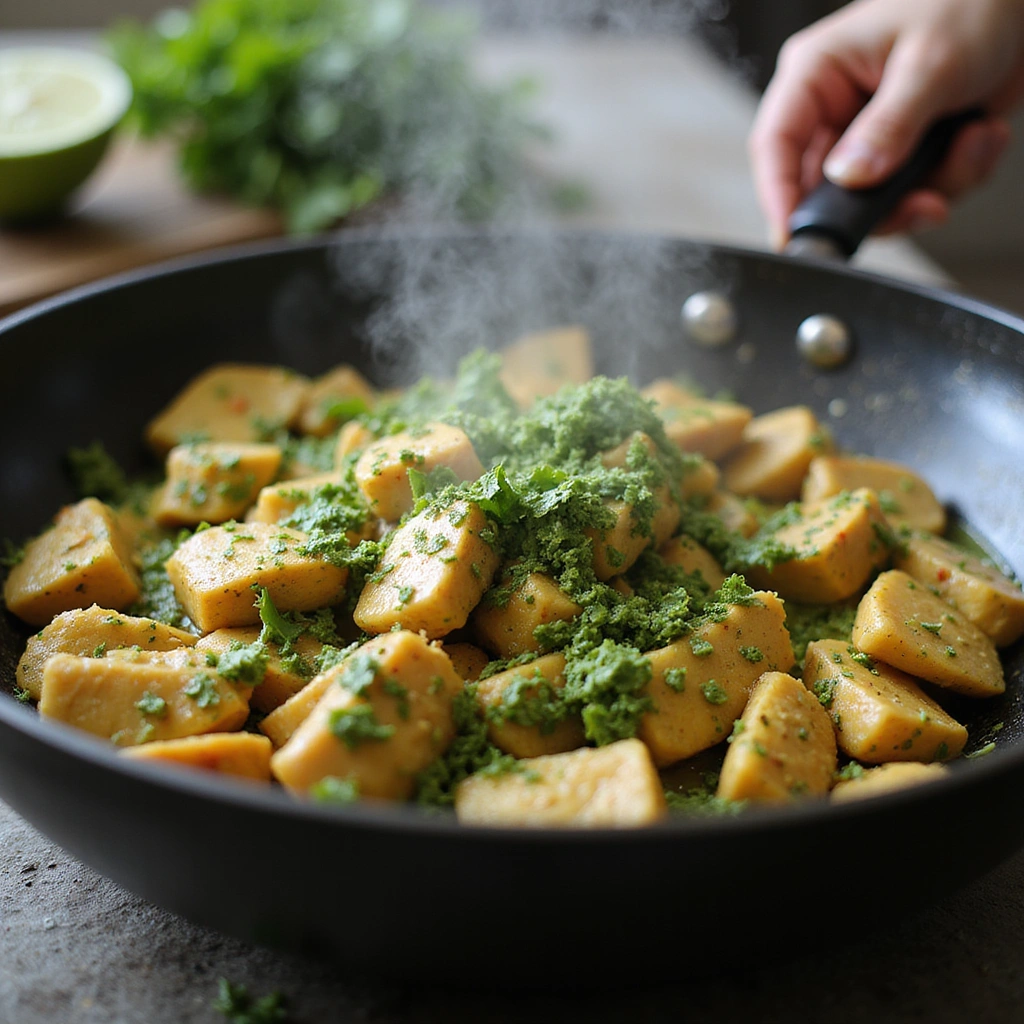
Once the chicken is cooked, add the prepared green curry paste to the wok.
Stir continuously for about 2 minutes to release the aromatic flavors.
Look for the paste to become fragrant and slightly darker in color.
This step intensifies the dish’s flavor and aroma.
Step 5: Incorporate Coconut Milk
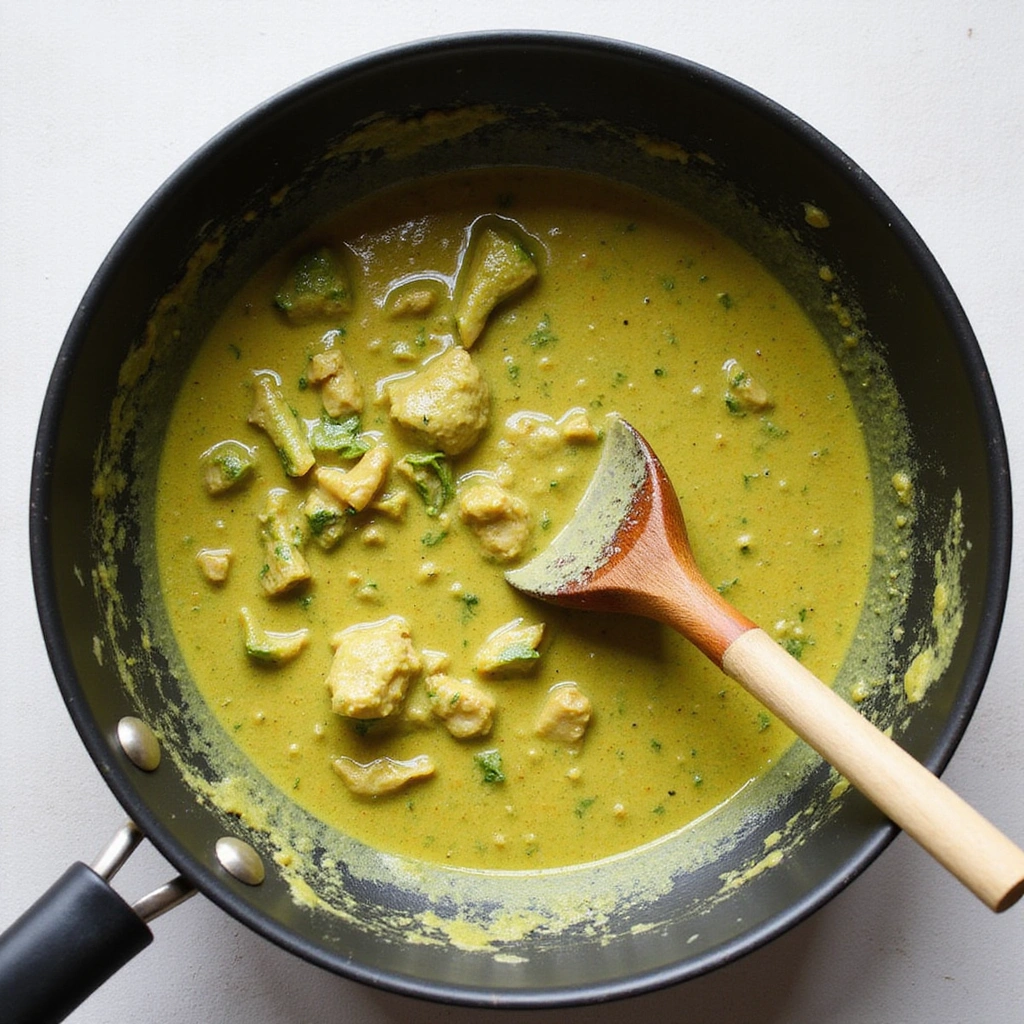
Pour in the coconut milk and stir to combine with the chicken and curry paste.
Bring the mixture to a gentle simmer and allow it to bubble lightly.
This creates a creamy sauce that envelops the chicken.
Be careful not to boil too vigorously, as this may separate the coconut milk.
Step 6: Add Vegetables
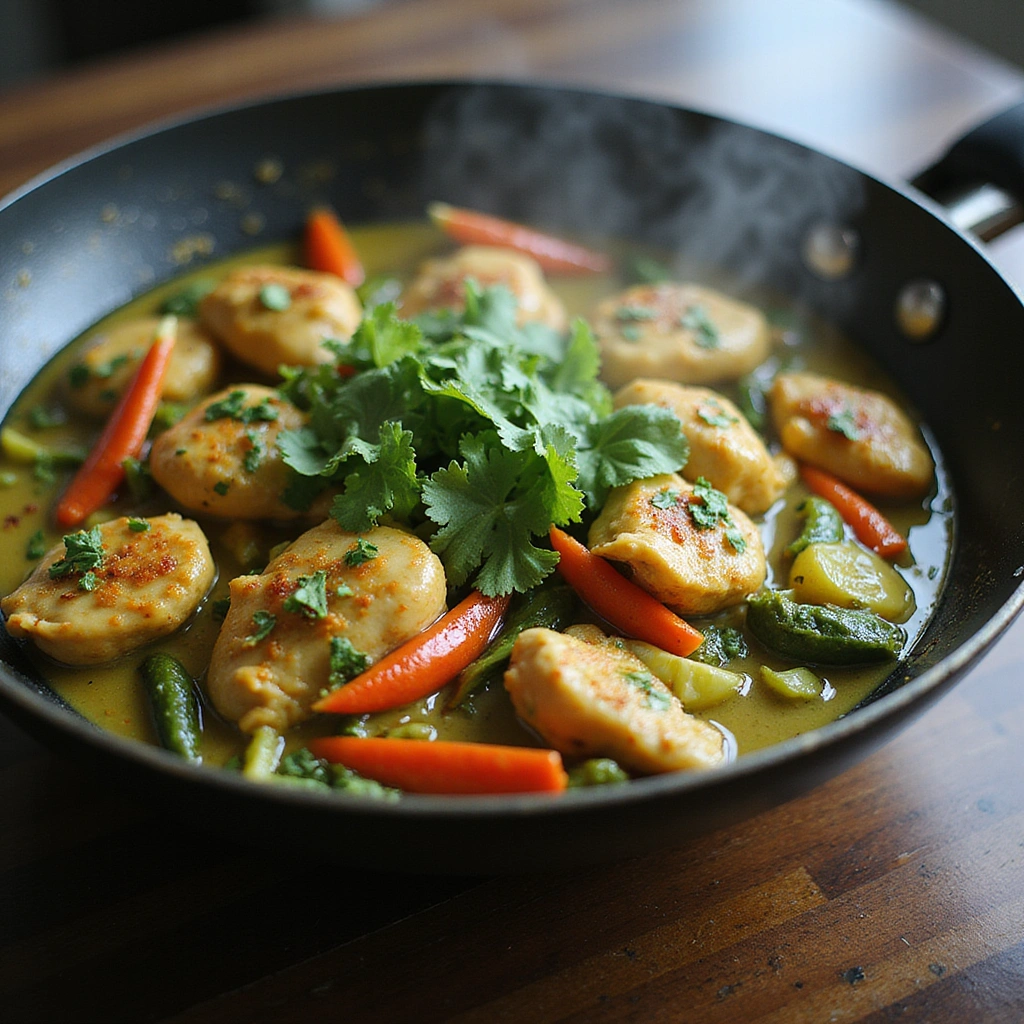
Stir in the sliced bell peppers, zucchini, and bamboo shoots.
Cook for an additional 5-7 minutes until the vegetables are tender but still crisp.
Look for bright colors and a slight bite in the veggies for the best texture.
This step adds freshness and a variety of textures to the dish.
Step 7: Season the Curry
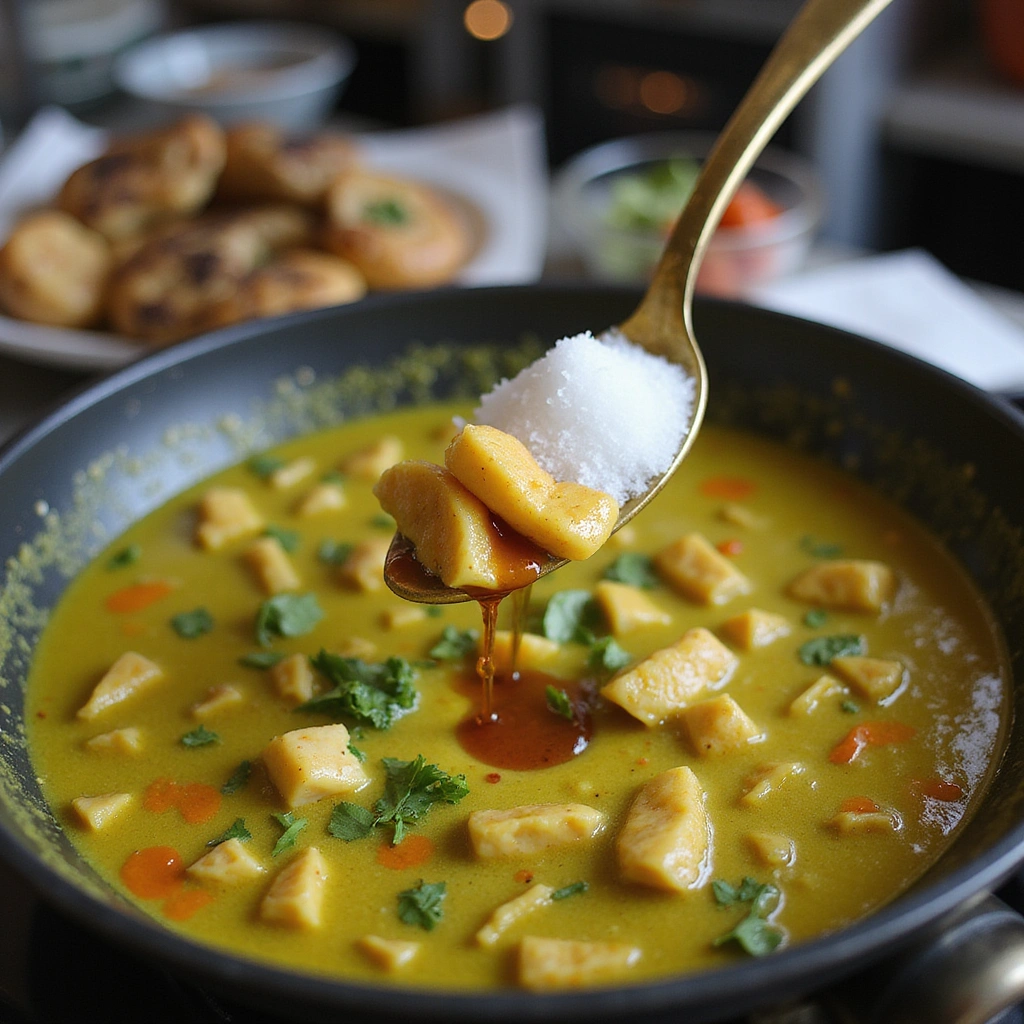
Add fish sauce and sugar to the curry, stirring well to incorporate.
Taste the curry and adjust the seasoning as needed for balance.
The flavors should be a harmonious blend of spicy, sweet, and savory.
This step is crucial for achieving the authentic Thai flavor profile.
Step 8: Add Fresh Basil
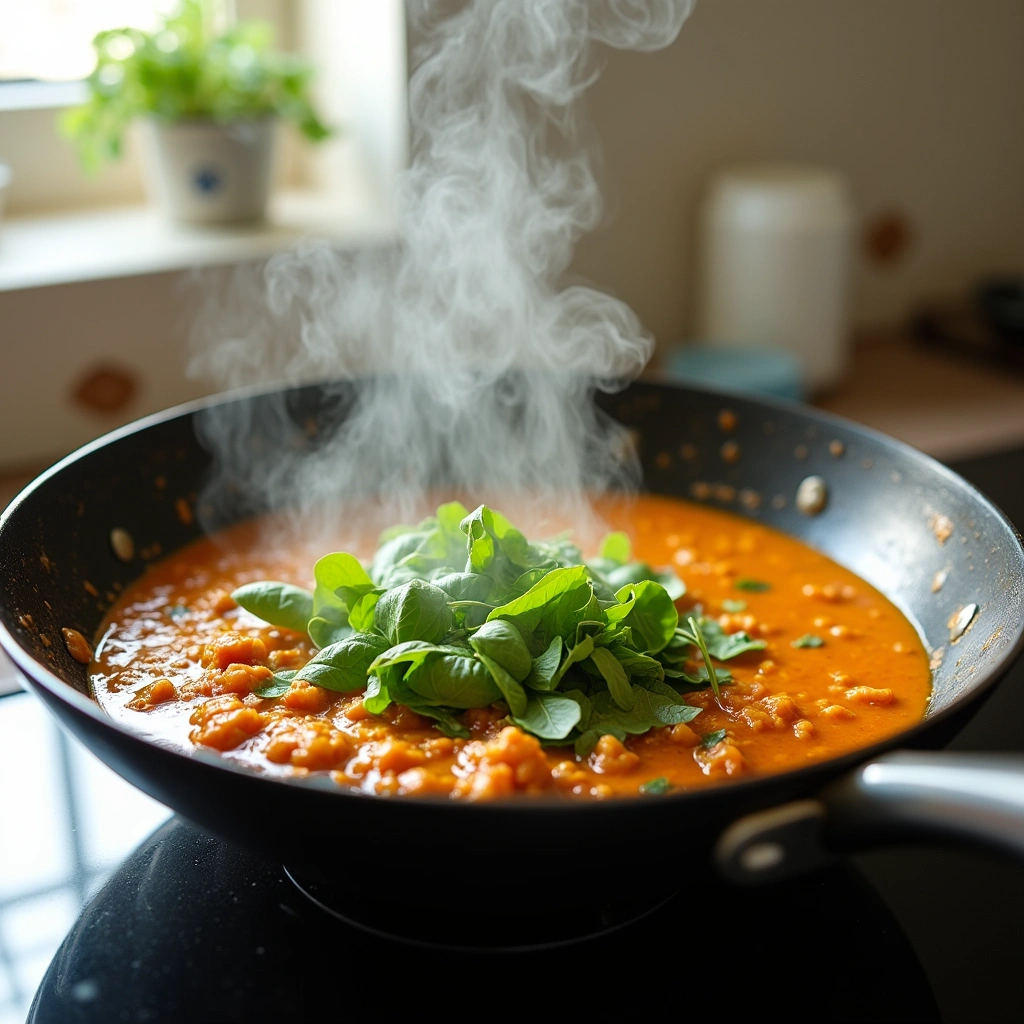
Just before serving, stir in the fresh basil leaves.
Cook for an additional minute to let the basil wilt slightly and release its aroma.
This final touch adds a fresh and fragrant element to the dish.
Make sure to use fresh basil to achieve the best flavor.
Step 9: Serve the Curry
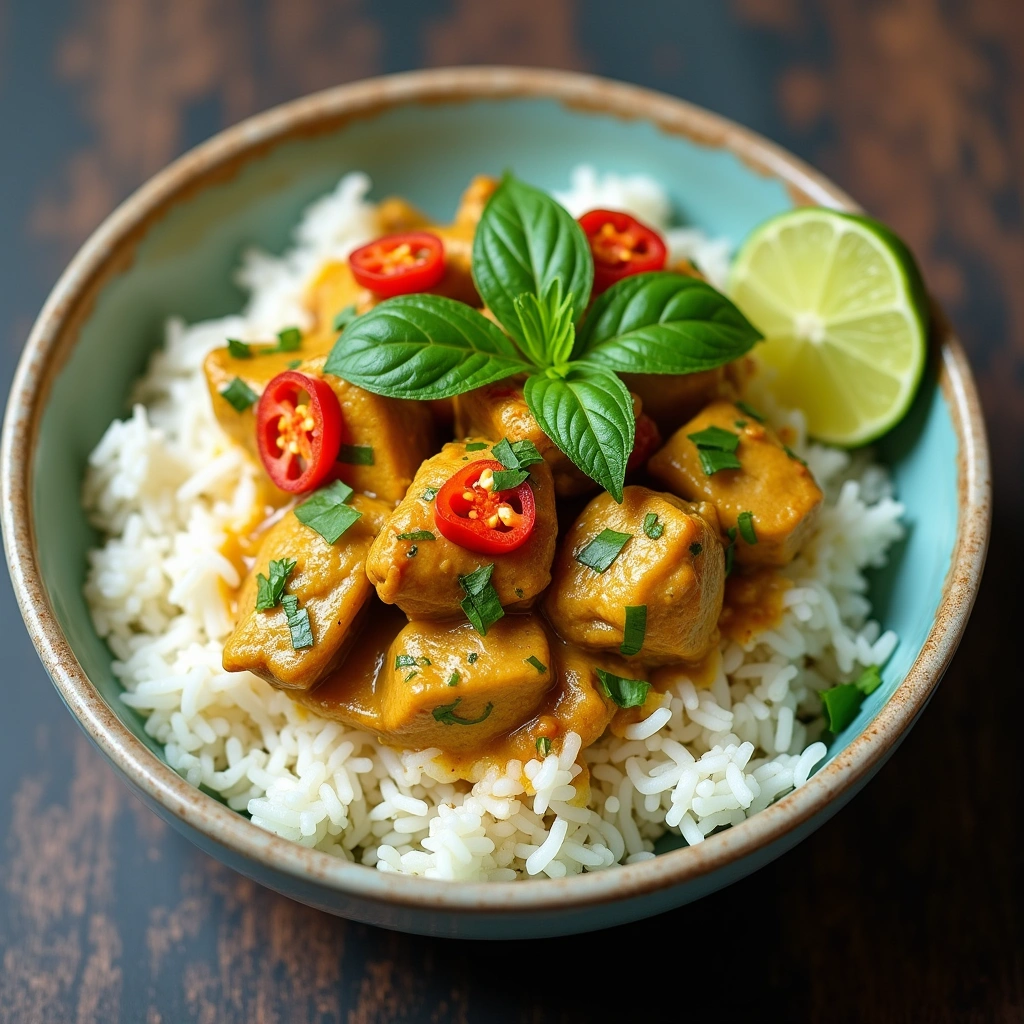
Serve the Green Curry Chicken hot over rice or with rice noodles.
Garnish with additional basil and slices of chili if desired.
Ensure each plate has a generous amount of the creamy sauce.
This presentation emphasizes the dish’s vibrant colors and rich textures.
Critical Timing and Temperature Guide
Cooking Chicken: Cook the chicken for about 5-7 minutes, ensuring it reaches an internal temperature of 165°F. Look for the meat to be opaque and no longer pink. Avoid overcooking to keep it tender and juicy.
Simmering Curry: Allow the curry to simmer for 10-15 minutes for the flavors to meld. You should see a gentle bubbling. Common mistakes include boiling too aggressively, which can separate the coconut milk.
Vegetable Doneness: Cook vegetables for 5-7 minutes until they are tender but still crisp. They should retain their bright color and texture. Overcooking will make them mushy and dull.
Pro Tips for Green Curry Chicken Recipes Restaurant-style
• Ingredient Selection: Use high-quality coconut milk and fresh herbs to enhance the dish’s flavor. The quality of curry paste also significantly affects the overall taste.
• Preparation Secret: Allow the curry paste to cook longer before adding coconut milk; this deepens the flavor.
• Temperature Management: Ensure your wok is hot enough before adding ingredients to achieve proper searing and flavor development.
• Texture Enhancement: Cut vegetables uniformly for even cooking, and avoid overcrowding the pan.
• Flavor Layering: Taste at each stage and adjust seasoning gradually to build complexity.
• Make-Ahead Strategies: Prepare the curry paste in advance and store it in the refrigerator for up to a week.
• Restaurant-Quality Finishing Touches: Serve with lime wedges on the side for a fresh burst of flavor.
• Equipment Optimization: Use a non-stick wok for easy cooking and cleaning.
Troubleshooting Common Issues
• Flavor Too Mild: This can occur if the curry paste isn’t potent enough. To fix it, add more curry paste gradually and taste as you go until you achieve the desired flavor.
• Curry Too Thick: If the curry becomes too thick, simply add a little more coconut milk or water until the desired consistency is reached.
• Vegetables Overcooked: This happens if they are added too early. To prevent this, add them in stages, starting with those that take longer to cook.
• Fish Sauce Overpowering: If the fish sauce flavor is too strong, balance it with a bit more sugar or coconut milk to mellow the taste.
• Chicken Dry: Overcooked chicken can be dry. To avoid this, monitor cooking times closely and use a meat thermometer to check for doneness.
Variations and Regional Differences
• Southern Thai Style: This version often includes a greater variety of seafood and herbs, reflecting the coastal influences of the region. Coconut milk is usually richer and more aromatic.
• Laos Style: Known as ‘gaeng khiao wan’, this variant may incorporate more herbs such as cilantro and often uses less coconut milk, resulting in a spicier dish.
• Vegetarian Version: Replace chicken with tofu or tempeh and use vegetable broth instead of chicken stock, maintaining the same delicious curry flavor.
• Modern Interpretations: Chefs today often add unexpected elements like avocado or kale, integrating local ingredients while keeping the essence of the original dish.
Food Science Behind the Recipe
• Emulsification: The combination of coconut milk and curry paste creates an emulsion that combines fats and water, resulting in a creamy sauce that clings to the chicken and vegetables.
• Maillard Reaction: Browning the chicken at high heat enhances flavor through caramelization, adding depth to the dish.
• Flavor Development: Simmering allows the flavors to meld, as fat-soluble flavors from the spices diffuse into the sauce, creating a cohesive taste.
Frequently Asked Questions
What’s the most common mistake people make when preparing Green Curry Chicken? Not balancing the flavors correctly; always taste and adjust as you go for the best results.
Can I prepare components of this dish in advance? Yes, you can make the curry paste and chop vegetables ahead of time; store in the refrigerator for up to 3 days.
How do I adapt this recipe for dietary restrictions? Substitute chicken with tofu or tempeh for a vegetarian option and use gluten-free soy sauce if needed.
What’s the best way to store and reheat leftovers? Store in an airtight container in the fridge for up to 3 days; reheat gently on the stove to avoid overcooking.
Can I freeze this dish? Yes, freeze the curry in an airtight container for up to 3 months; thaw overnight in the refrigerator before reheating.
What wine or beverages pair best with this dish? A dry Riesling or a light Thai beer complements the flavors beautifully.
How can I scale this recipe up for a crowd? Multiply the ingredient amounts accordingly, but be mindful of cooking in batches to maintain even cooking temperatures.
What side dishes complement this recipe best? Jasmine rice or rice noodles pair excellently, along with a fresh cucumber salad.
How do professional chefs elevate this dish for restaurant service? They focus on presentation, using garnishes like microgreens and plating with precision to create an inviting visual appeal.
Serving and Presentation Guide
• Traditional Presentation: Serve in a deep bowl with a generous portion of curry, garnished with fresh basil and sliced chili. This traditional approach showcases the vibrant color of the dish.
• Modern Plating Ideas: Use a white plate for contrast and artfully drizzle coconut cream on the side. Add edible flowers for visual appeal.
• Accompaniment Suggestions: Serve with jasmine rice and a side of pickled vegetables to enhance the meal.
• Special Occasion Presentation: Elevate the dish with a decorative platter and serve with lime wedges and a side of fresh herbs for guests to customize their plates.
![100% Compostable Paper Plates, Heavy Duty Disposable Plates [125-Pack] 9](https://m.media-amazon.com/images/I/41i7r-FompL._SL500_.jpg)





Conclusion
I hope this Green Curry Chicken recipe brings a taste of Thailand to your kitchen.
With its bold flavors and aromatic spices, it’s sure to impress your family and friends.
Don’t hesitate to experiment and make it your own—cooking is all about personal touches!