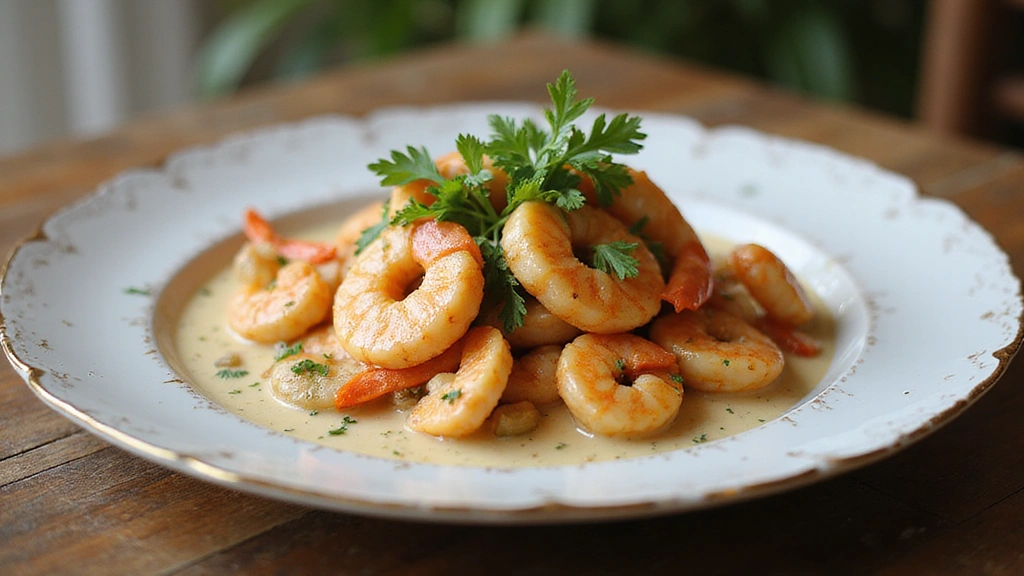
Curry Prawns with Coconut Milk is a delightful dish that encapsulates the vibrant flavors of Southeast Asia.
The creamy coconut milk pairs beautifully with the spices, creating a rich and satisfying experience.
I first tasted this dish on a beachside vacation, where the combination of fresh seafood and aromatic spices left a lasting impression.
Perfect for a cozy dinner or an exotic gathering, this recipe is sure to impress with its simplicity and depth of flavor.
The History and Cultural Significance
• Curry Prawns with Coconut Milk has its roots in the coastal regions of Southeast Asia, particularly in Thailand and Malaysia, where seafood is a staple.
• The dish evolved as coconut milk became a prominent ingredient in local cuisine, enhancing the richness and flavor of seafood.
• In many cultures, this dish is served during festive occasions and family gatherings, symbolizing hospitality and abundance.
• While variations exist across different regions, the authentic version is characterized by the use of fresh prawns and fragrant spices that set it apart from other curry dishes.
Recipe Overview
Nutritional Information (per serving)
Ingredients
Essential Equipment Guide
Wok or Large Skillet: A wok or a large skillet is essential for achieving the high heat needed to quickly cook prawns while maintaining their tenderness. Look for a heavy-bottomed option to ensure even heat distribution.
Wooden Spoon or Spatula: A sturdy wooden spoon or spatula will help in stirring the ingredients without scratching your cookware. Choose one with a long handle for safe mixing at high temperatures.
Measuring Cups and Spoons: Accurate measuring tools are crucial for balancing flavors. Invest in a good set to ensure that you’re adding the right amount of spices and liquids.






Preparation Methods
Deveining Prawns: Deveining prawns is important to remove the digestive tract, ensuring a cleaner taste. Use a sharp knife to make a shallow cut along the back and remove the dark vein gently.
Stir-Frying: This technique involves cooking quickly over high heat to enhance flavors and maintain the prawns’ tenderness. Make sure your wok or skillet is hot before adding the oil to achieve the best results.
Balancing Flavors: Achieving balance in the dish is crucial. Taste the sauce before serving and adjust the fish sauce, lime juice, and sugar as needed to ensure a harmonious blend.





Step 1: Prepare Ingredients
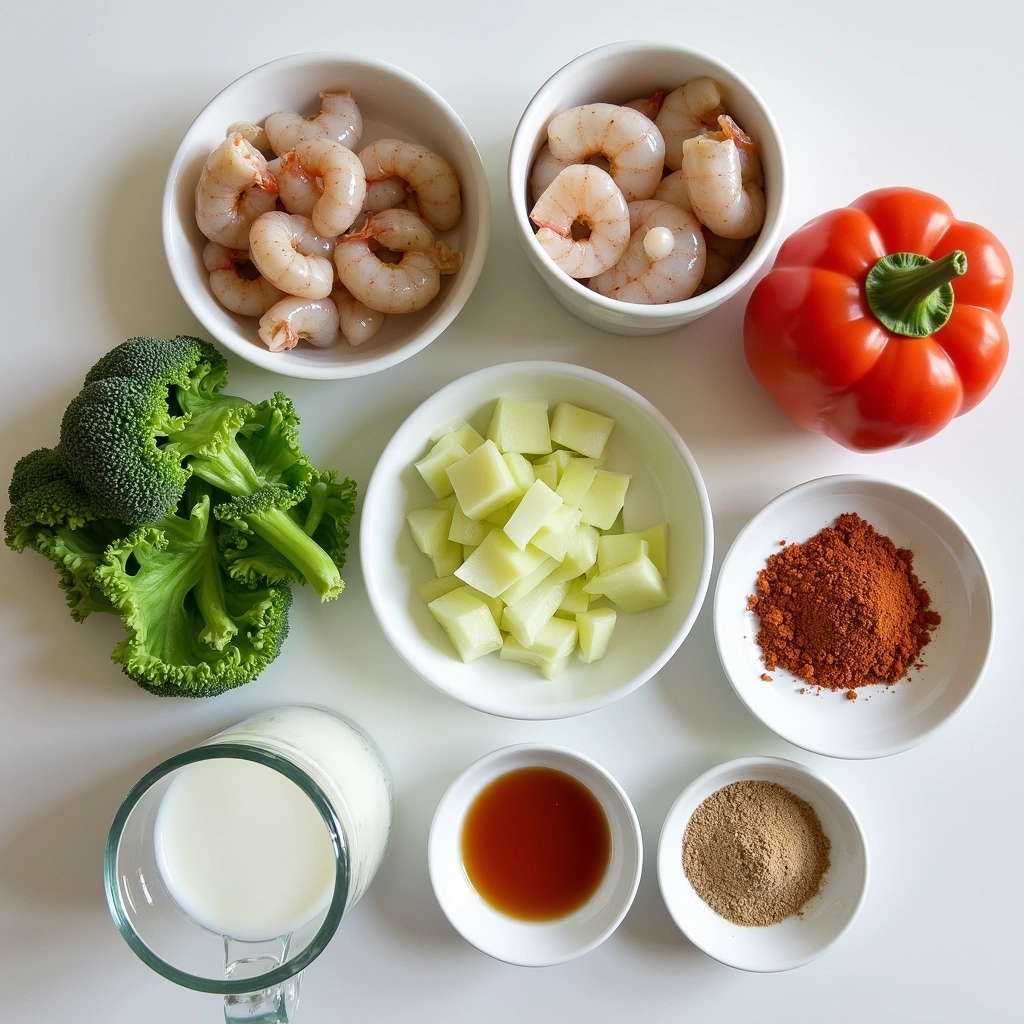
Begin by gathering all your ingredients to streamline the cooking process.
Chop the vegetables into bite-sized pieces and set them aside.
Peel and devein the prawns if you haven’t done so already.
Having everything ready will help the cooking flow smoothly.
Step 2: Heat the Oil
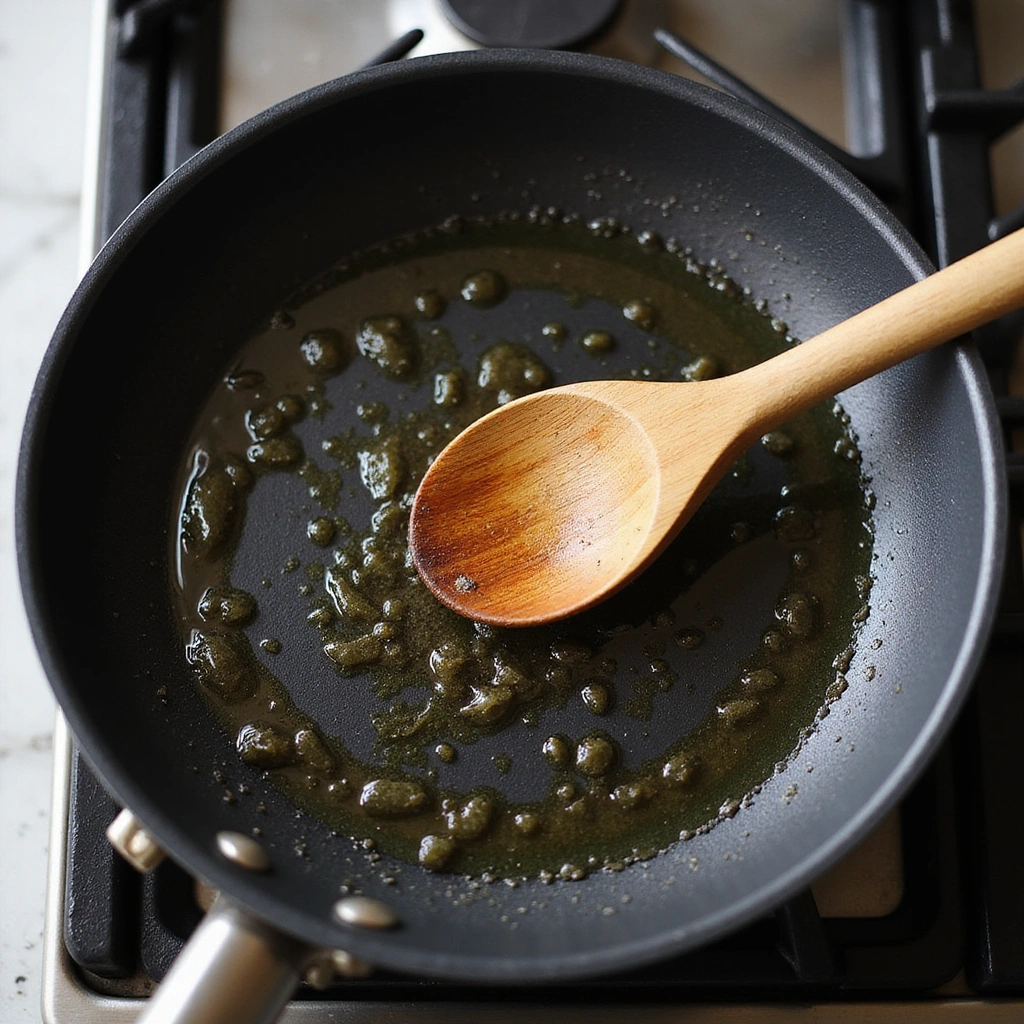
In a large wok or skillet, heat the vegetable oil over medium-high heat.
Ensure the oil is hot before adding the prawns for a proper sear.
You can test it by dropping a small piece of vegetable in; it should sizzle immediately.
This step is crucial for locking in the prawns’ flavor and texture.
Step 3: Cook the Prawns
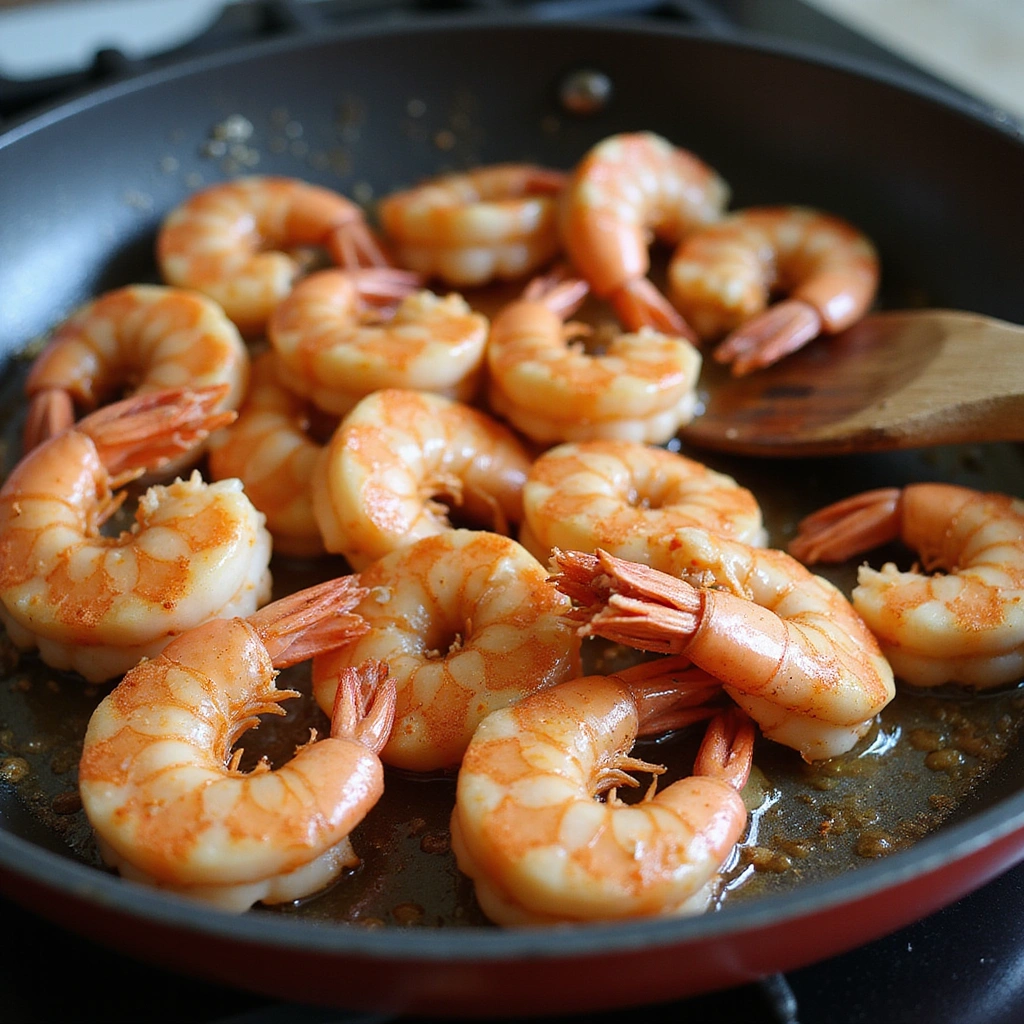
Add the prawns to the hot oil and stir-fry for about 2-3 minutes until they turn pink.
Make sure not to overcrowd the pan to ensure even cooking.
Look for the prawns to curl slightly and turn opaque.
Once cooked, remove them from the pan and set aside.
Step 4: Sauté the Vegetables
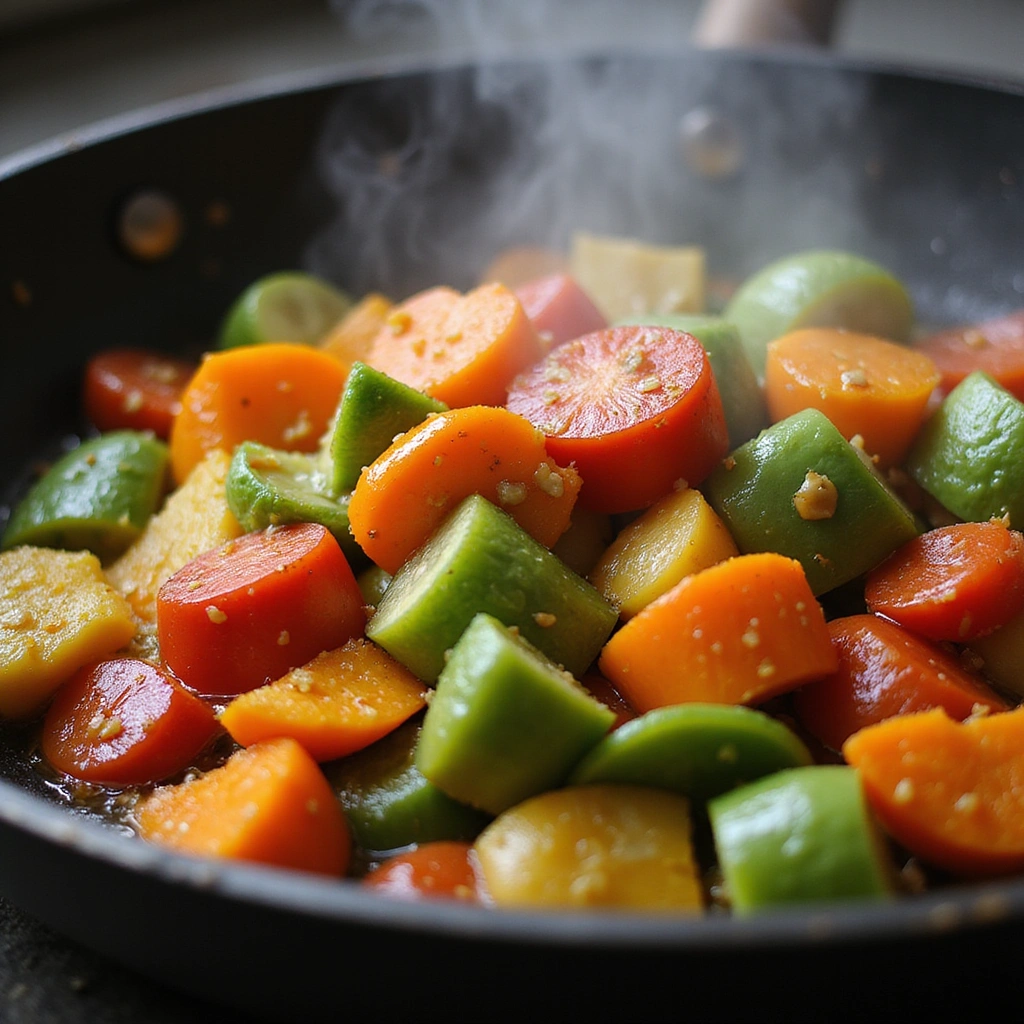
In the same skillet, add the sliced bell pepper, zucchini, and snow peas.
Stir-fry for about 3-4 minutes until they are tender yet crisp.
The vegetables should retain their vibrant colors and crunch.
This step enhances the overall texture and flavor of the dish.
Step 5: Add the Curry Paste
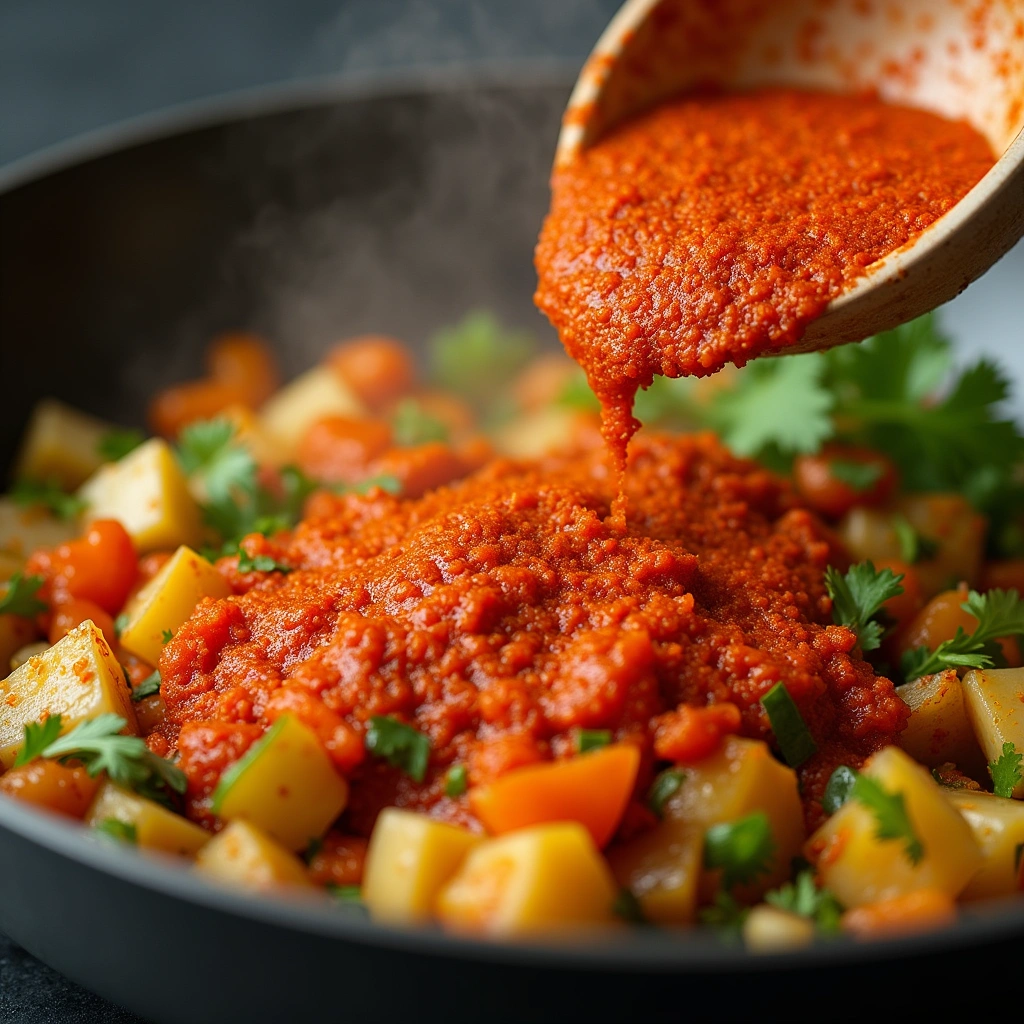
Stir in the red curry paste and cook for another minute to release its flavors.
Make sure to coat the vegetables evenly with the paste.
The aroma will become fragrant and inviting.
This step is crucial for developing the dish’s signature flavor.
Step 6: Pour in Coconut Milk

Add the coconut milk to the pan and stir well to combine with the vegetables and curry paste.
Allow the mixture to come to a gentle simmer.
Watch for small bubbles forming at the edges, indicating it’s ready.
This step enriches the dish and creates a creamy sauce.
Step 7: Return Prawns to the Pan

Once the sauce simmers, add the cooked prawns back into the skillet.
Stir gently to coat the prawns with the coconut curry sauce.
Let it cook for another 2-3 minutes to warm through.
This ensures the prawns absorb the flavors of the sauce.
Step 8: Season and Garnish

Season the dish with fish sauce, lime juice, and sugar to balance the flavors.
Taste and adjust as necessary to suit your palate.
Once seasoned, remove from heat and garnish with fresh cilantro.
This final touch adds a burst of freshness.
Step 9: Serve
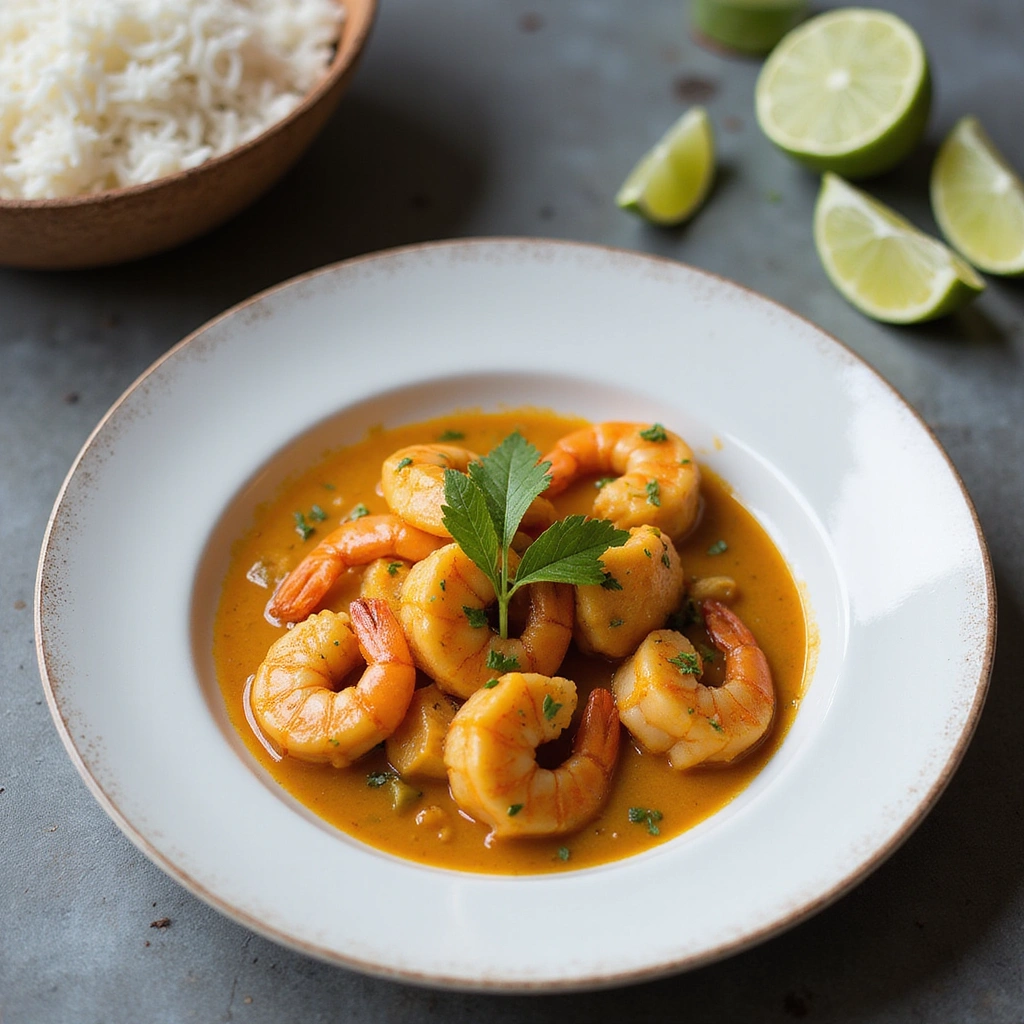
Serve the curry hot, with lime wedges on the side.
Pair it with steamed rice or flatbread to soak up the delicious sauce.
Encourage your guests to squeeze fresh lime over their servings for extra brightness.
This presentation enhances the dining experience.
Critical Timing and Temperature Guide
Cooking Prawns: Cook prawns over medium-high heat for 2-3 minutes until they turn pink and opaque. Avoid overcooking, as they can become rubbery.
Simmering Sauce: Allow the coconut milk mixture to simmer gently for 5-7 minutes. Look for small bubbles forming; this indicates the sauce is ready without boiling over.
Vegetable Texture: Stir-fry vegetables for 3-4 minutes until tender-crisp. They should maintain their color and crunch; overcooking will make them mushy.
Pro Tips for Curry Prawns Recipes With Coconut Milk Perfect Dinner
• Ingredient Selection: Choose fresh prawns for the best flavor and texture, as frozen prawns can sometimes be watery.
• Preparation Secret: Marinating prawns in a little lime juice for 15 minutes before cooking can enhance their flavor.
• Temperature Management: Ensure your pan is hot enough before adding ingredients to achieve the best sear on the prawns.
• Texture Enhancement: For a creamy sauce, use full-fat coconut milk instead of light versions.
• Flavor Layering: Adding fish sauce at the end of cooking preserves its umami flavor without losing it to high heat.
• Make-Ahead Strategies: Prep vegetables and make the curry sauce in advance; add prawns just before serving.
• Restaurant-Quality Finishing Touches: Drizzle a bit of coconut cream on top before serving for a gourmet presentation.
• Equipment Optimization: Use a non-stick skillet to prevent sticking, especially with the creamy sauce.
Troubleshooting Common Issues
• Texture Too Dense: This could be from overcooking the prawns or not using enough coconut milk. To fix, add a splash of water or broth to thin it out and reheat gently.
• Flavors Unbalanced: If the dish tastes too salty or sweet, adjust with lime juice for acidity or sugar for sweetness. Taste as you add for the best balance.
• Overcooked Prawns: If they’re rubbery, it’s likely they were cooked too long. In future attempts, keep a close eye on their color change during cooking.
• Too Spicy: If the curry is too spicy, add a bit more coconut milk or sugar to mellow the heat.
• Insufficient Sauce: If there’s not enough sauce, add more coconut milk or a splash of broth. Stir well and simmer to combine.
Variations and Regional Differences
• Thai Red Curry Prawns: This version uses Thai red curry paste and incorporates bamboo shoots and Thai basil for an authentic taste.
• Malaysian Laksa: A noodle soup version that adds rice noodles and a variety of toppings like boiled eggs and bean sprouts, served in a spicier broth.
• Indian Prawn Curry: This variation features a different spice blend, including turmeric and garam masala, often finished with yogurt for creaminess.
• Modern Interpretations: Some chefs create lighter versions using zoodles (zucchini noodles) instead of rice or add seasonal vegetables for a fresh twist.
Food Science Behind the Recipe
• Emulsification: The combination of coconut milk and curry paste creates an emulsion that thickens as it cooks, resulting in a creamy sauce that clings to the prawns and vegetables.
• Maillard Reaction: When prawns are sautéed, they undergo the Maillard reaction, enhancing their flavor and creating a pleasing golden color.
• Flavor Extraction: Cooking the curry paste in oil before adding liquids helps to extract essential oils and enhance the overall flavor profile of the dish.
Frequently Asked Questions
What’s the most common mistake people make when preparing Curry Prawns? Overcooking the prawns is common, which can result in a rubbery texture. Keep a close eye on their color change to avoid this.
Can I prepare components of this dish in advance? Yes, you can prep vegetables and make the sauce ahead of time. Store them separately in the fridge for up to 2 days.
How do I adapt this recipe for dietary restrictions? For gluten-free, ensure your curry paste is gluten-free. For vegan, substitute prawns with tofu or chickpeas.
What’s the best way to store and reheat leftovers? Store in an airtight container in the fridge for up to 3 days. Reheat gently in a pan over low heat, adding a splash of coconut milk if needed.
Can I freeze this dish? Yes, freeze the cooked curry without any fresh garnishes for up to 3 months. Thaw overnight in the fridge before reheating.
What wine or beverages pair best with this dish? A crisp Riesling or a light Sauvignon Blanc complements the flavors well, balancing the spices and richness.
How can I scale this recipe up for a crowd? Simply multiply the ingredient quantities by the number of servings needed, and ensure your cooking vessel is large enough to accommodate everything.
What side dishes complement this recipe best? Steamed jasmine rice or a simple cucumber salad works beautifully, adding freshness to the meal.
How do professional chefs elevate this dish for restaurant service? Chefs often add a touch of truffle oil or serve with a side of artisan bread for a unique twist.
Serving and Presentation Guide
• Traditional Presentation: Serve in a deep bowl, garnished with fresh cilantro and lime wedges. This provides a vibrant color contrast and enhances the dish’s appeal.
• Modern Plating Ideas: Use a large white plate to showcase the curry, artfully drizzling sauce around and placing prawns and vegetables in the center for a contemporary look.
• Accompaniment Suggestions: Pair with fluffy jasmine rice or soft naan to soak up the delicious sauce. A light cucumber salad can add a refreshing crunch.
• Special Occasion Presentation: For celebrations, serve in a large, decorative bowl with edible flowers and serve individual portions garnished with microgreens for an elegant touch.
Conclusion
Curry Prawns with Coconut Milk is a dish that brings warmth and satisfaction to any dinner table.
With its vibrant flavors and easy preparation, it’s a perfect choice for both casual meals and special occasions.
I encourage you to try this recipe and discover the joy it can bring to your dining experience.