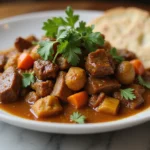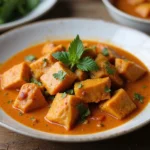

This classic Bone In Chicken Curry brings together centuries of culinary tradition with modern techniques to create a dish that’s both comforting and elegant.
The harmonious balance of spices and tender, juicy chicken creates a memorable dining experience that will have everyone asking for your secret.
I discovered this recipe during my travels through India, where local chefs have perfected it through generations of careful refinement.
Whether you’re preparing a casual family dinner or hosting a special celebration, this Bone In Chicken Curry delivers impressive results with straightforward preparation.
The History and Cultural Significance
• Bone In Chicken Curry traces its origins to India, where it was originally created by home cooks and chefs alike.
• The dish evolved over decades as regional spices and cooking techniques changed, eventually becoming the beloved version we know today.
• In Indian culture, this dish traditionally appears at family gatherings and festive occasions, symbolizing hospitality and warmth.
• While many variations exist across different regions, the authentic version maintains the use of bone-in chicken, which adds depth and richness to the flavor.
Recipe Overview
Nutritional Information (per serving)
Ingredients
Essential Equipment Guide
Heavy-Bottomed Pot: A heavy-bottomed pot is crucial for even heat distribution, which is key to preventing burning and ensuring the chicken cooks evenly. Look for one with a tight-fitting lid and a thick base for best results.
Wooden Spoon: This tool is vital for stirring ingredients without scratching your pot. A sturdy wooden spoon allows you to mix the spices and chicken thoroughly without damaging your cookware.
Meat Thermometer: This ensures the chicken is cooked perfectly and safely. A reliable meat thermometer helps you avoid undercooked or overcooked chicken, ensuring juicy results.
Preparation Methods
Marinating Chicken: Marinating the chicken prior to cooking infuses it with flavor and helps tenderize the meat. Use a mix of yogurt and spices for at least 30 minutes before cooking for best results.
Blooming Spices: This technique involves cooking spices in oil to release their essential oils and flavors. Add spices to hot oil and sauté until aromatic, but be careful not to burn them, as this can introduce bitterness.
Simmering: Simmering allows flavors to meld together and the chicken to become tender. Keep the heat low and maintain a gentle simmer to prevent toughening the meat.
Step 1: Prepare Ingredients
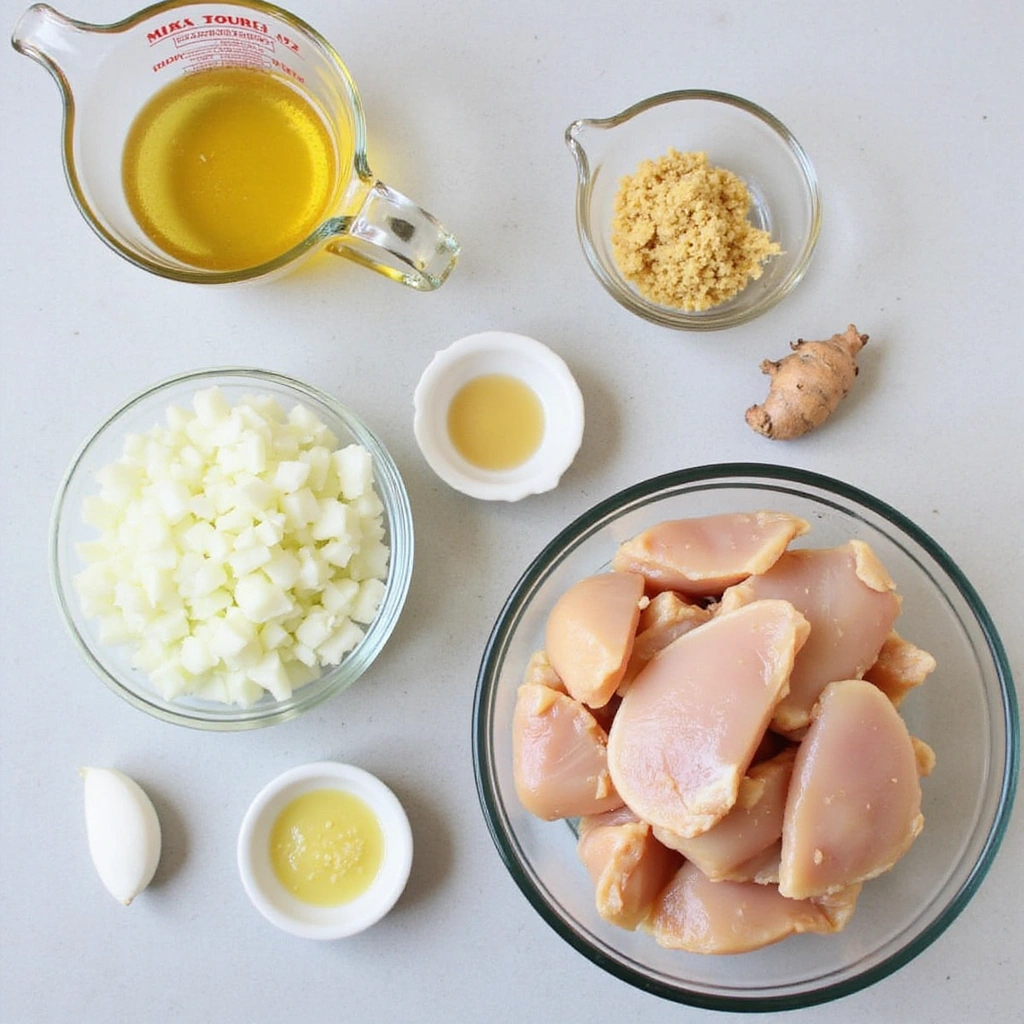
Start by gathering all your ingredients and measuring them out.
This makes the cooking process smoother and more efficient.
Chop the onions, garlic, and ginger ahead of time to ease your workflow.
Ensure your chicken is cut into even pieces for uniform cooking.
Step 2: Marinate Chicken
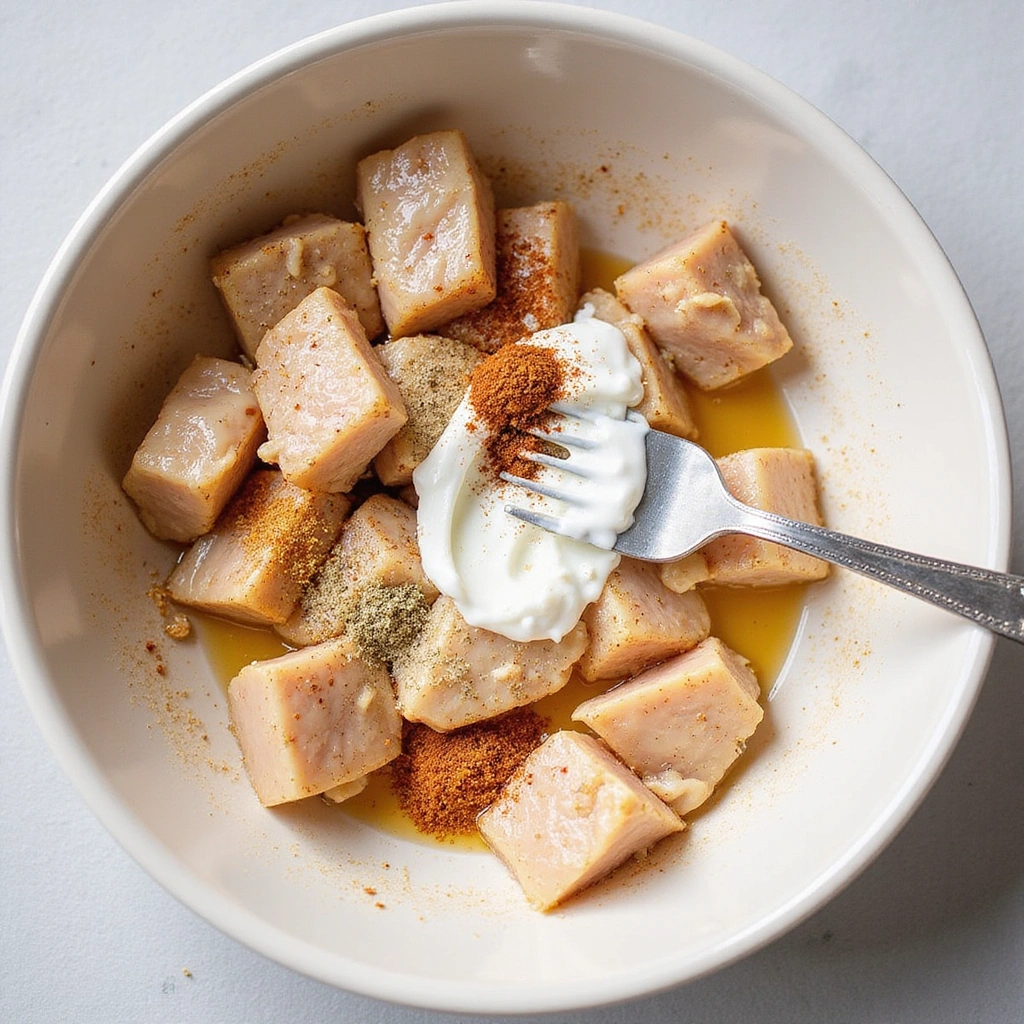
In a bowl, combine the chicken pieces with yogurt, turmeric, and salt.
Mix thoroughly to ensure all pieces are coated well.
Let the chicken marinate for at least 30 minutes, allowing the flavors to penetrate.
This step will enhance the juiciness and flavor of the chicken.
Step 3: Heat Oil
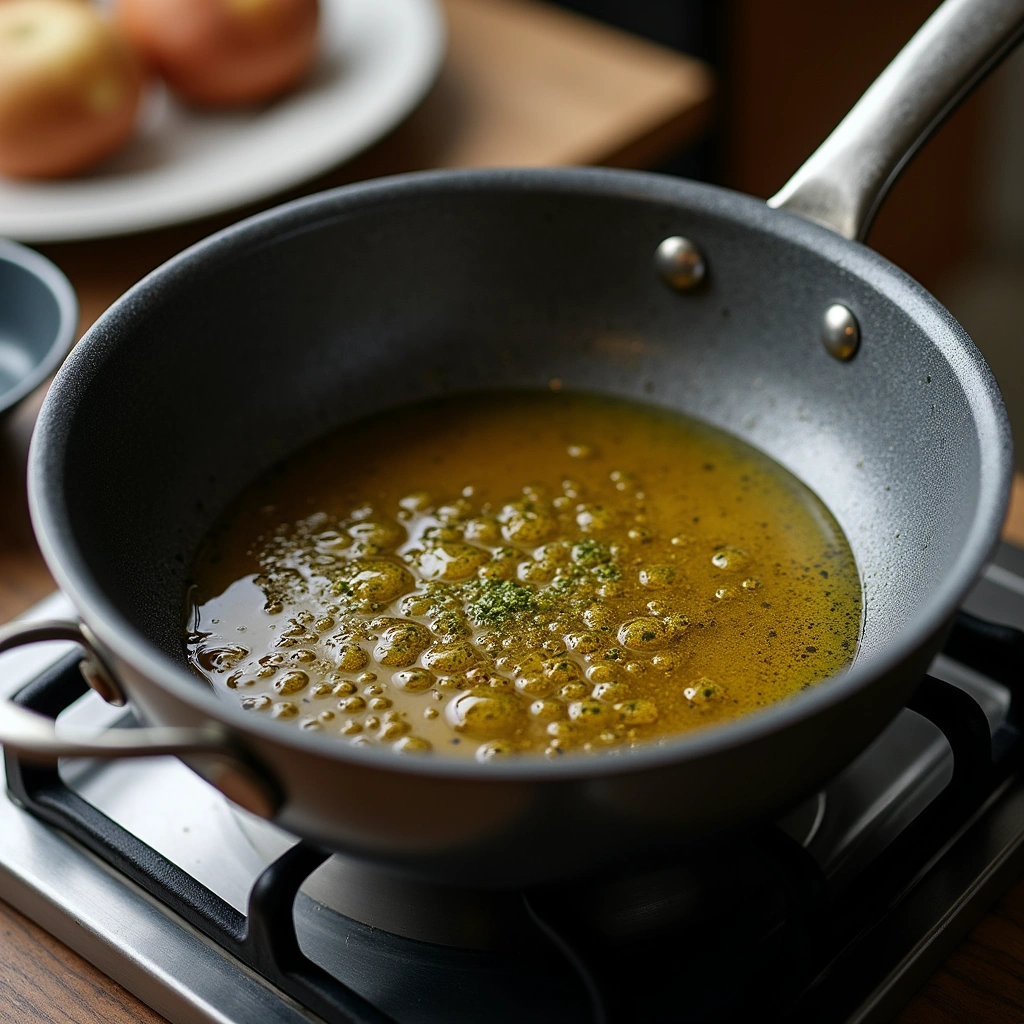
In a heavy-bottomed pot, heat the oil over medium heat until shimmering.
This indicates that the oil is hot enough for cooking.
Avoid using high heat as it can cause the oil to smoke or burn.
You want to create a good base for sautéing the onions.
Step 4: Sauté Onions
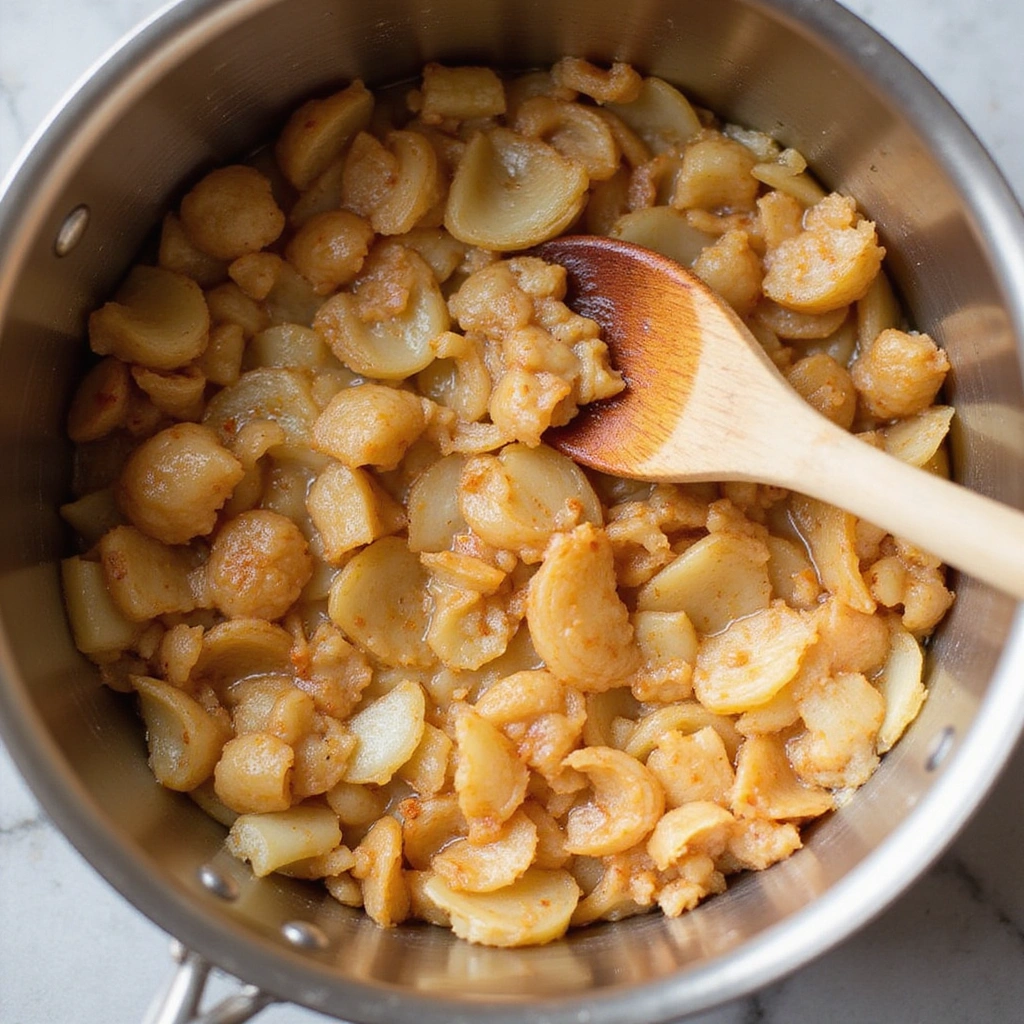
Add the chopped onions to the pot and sauté them until golden brown.
This may take about 8-10 minutes, so stir frequently to prevent burning.
The caramelization of onions adds sweetness to the curry.
Look for a rich, golden color before moving to the next step.
Step 5: Add Garlic and Ginger
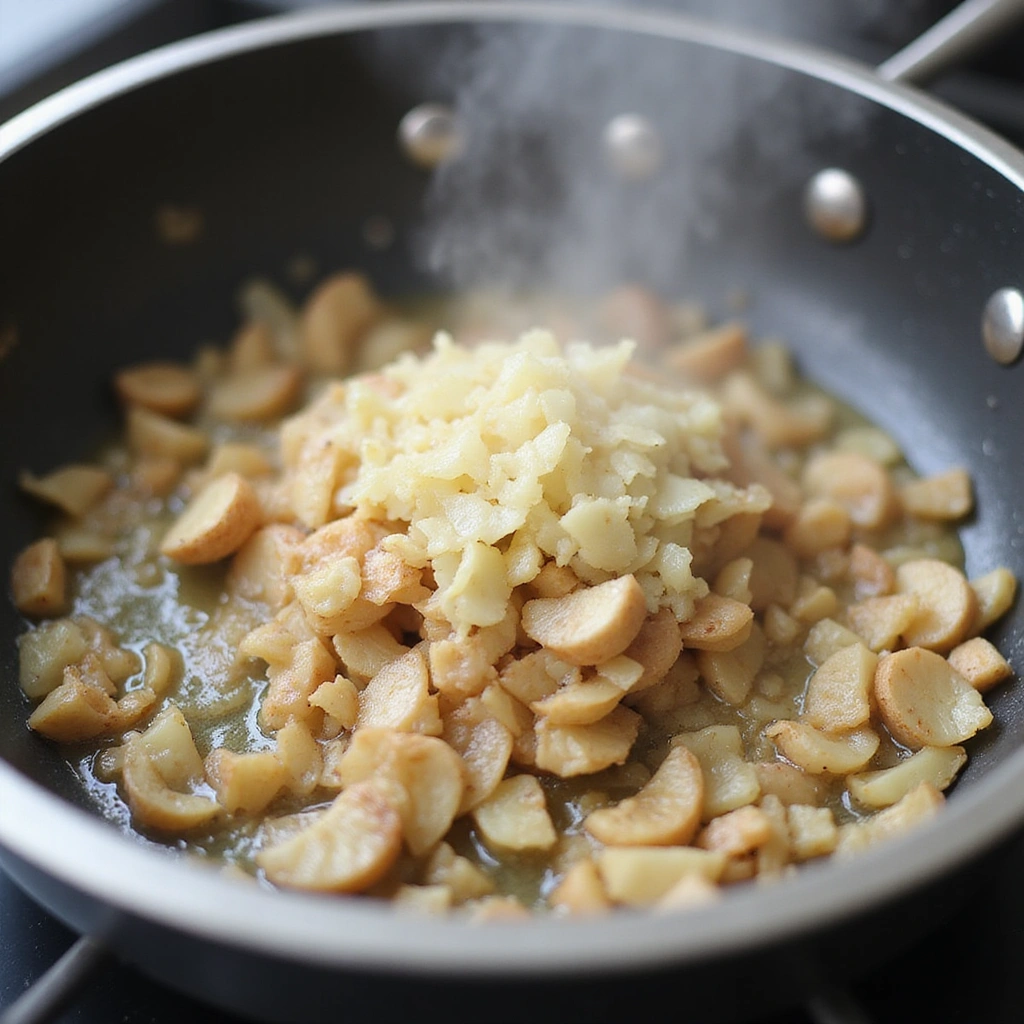
Add the minced garlic and grated ginger to the pot with the onions.
Sauté for an additional 2-3 minutes until fragrant, stirring continuously.
This step builds a robust flavor base for your curry.
Be careful not to let them burn, as this can create bitterness.
Step 6: Incorporate Tomatoes
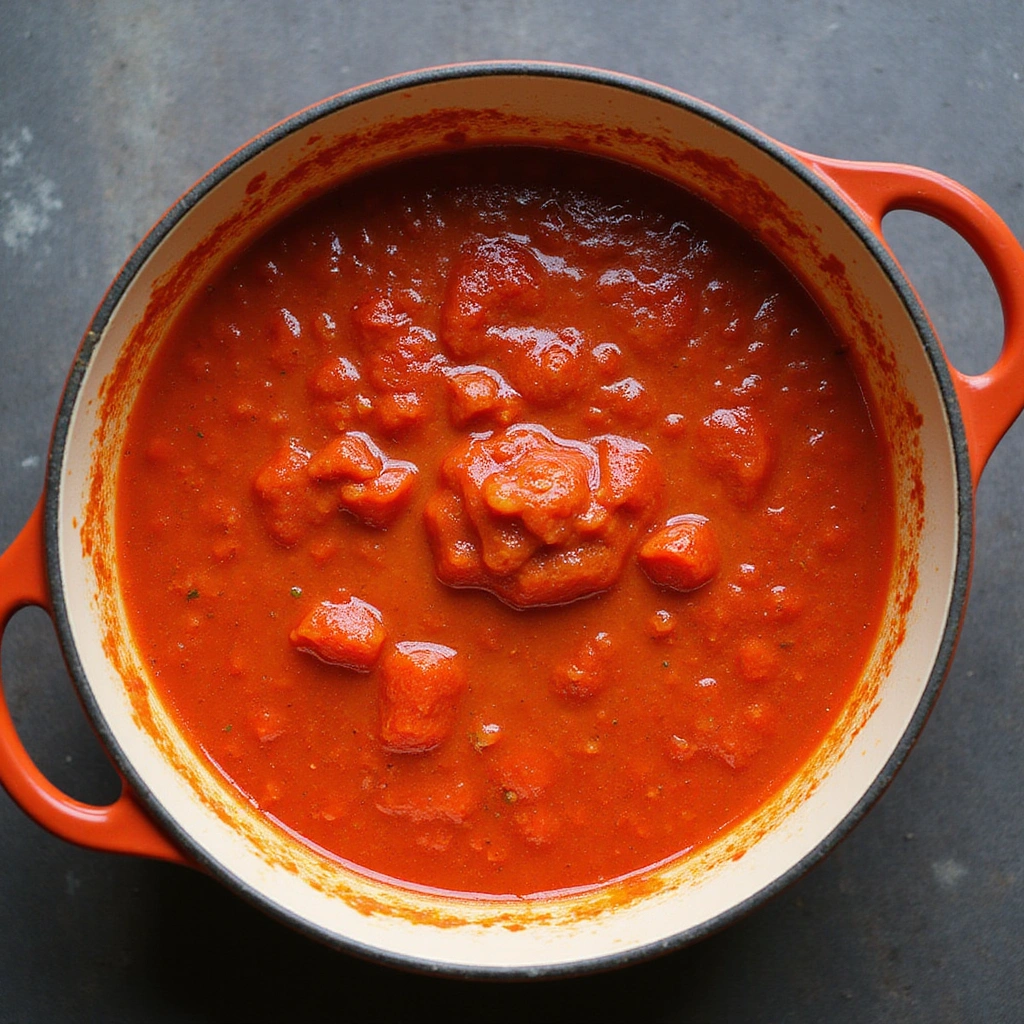
Stir in the pureed tomatoes and cook for 5-7 minutes.
Allow the mixture to simmer until the oil begins to separate from the sauce.
This is an indicator that the tomatoes are cooked down properly.
The sauce should thicken slightly and become rich in color.
Step 7: Add Spices
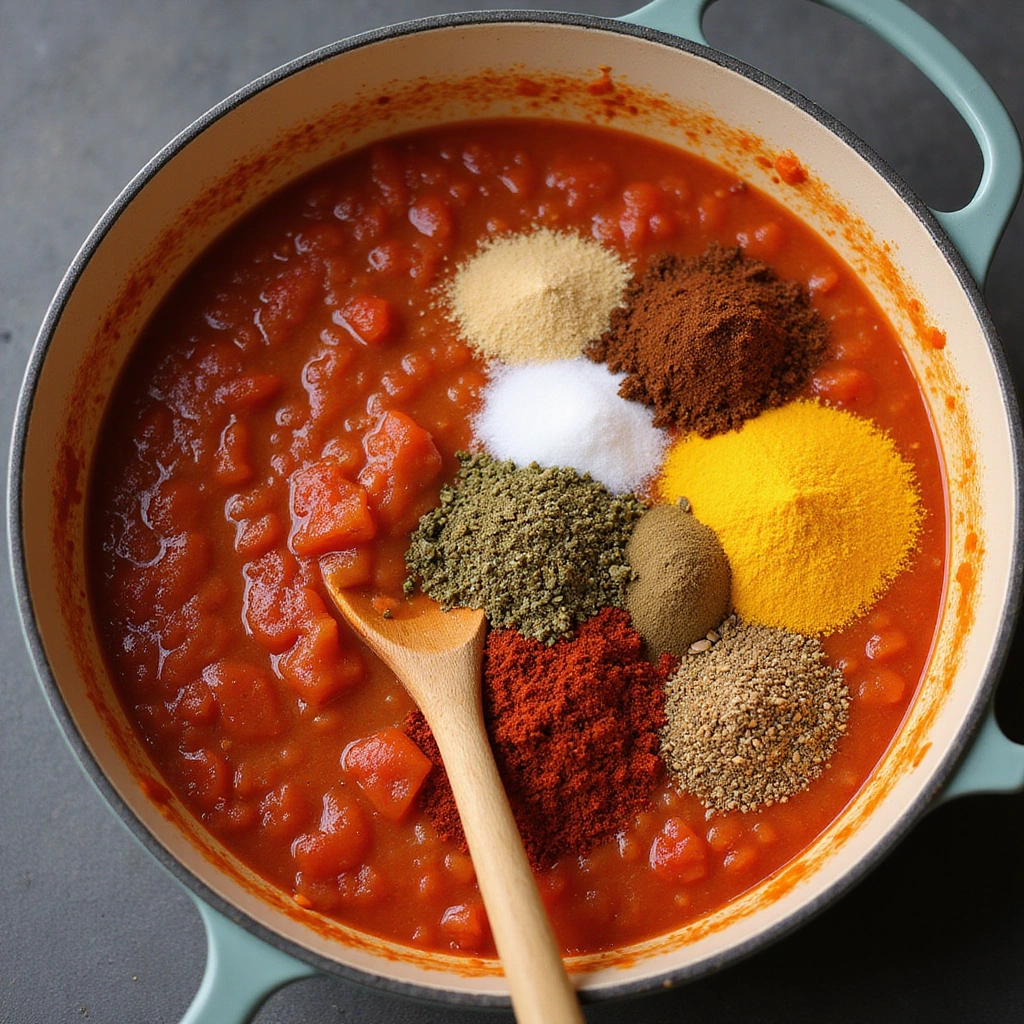
Add the turmeric, coriander, cumin, red chili powder, and salt to the pot.
Stir well to combine and toast the spices for 2 minutes to enhance their flavor.
This step is crucial for building the depth of flavor in the curry.
Make sure to keep stirring to avoid burning the spices.
Step 8: Add Marinated Chicken
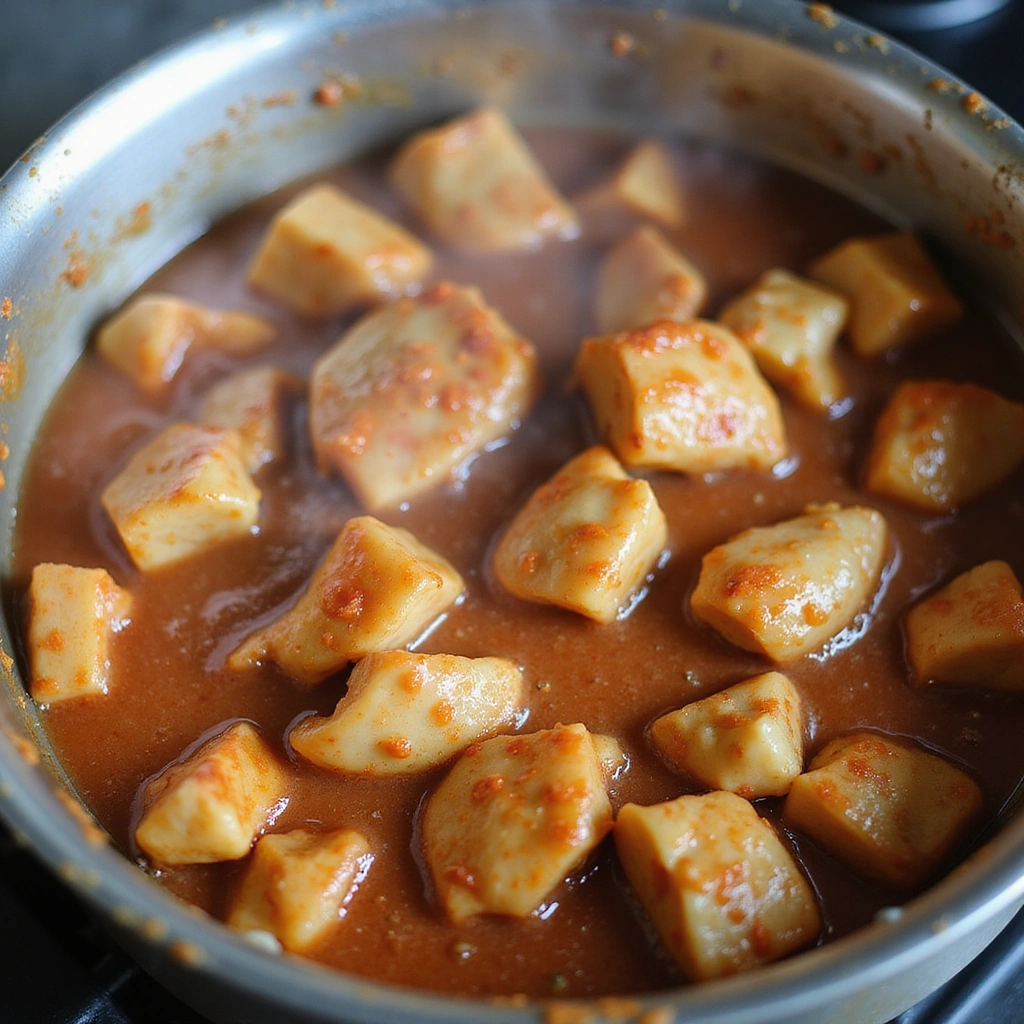
Add the marinated chicken pieces to the pot and stir to coat them in the sauce.
Cook for about 5 minutes, allowing the chicken to start browning.
This step helps to seal in the juices of the chicken.
Make sure each piece is well coated with the sauce for uniform cooking.
Step 9: Simmer
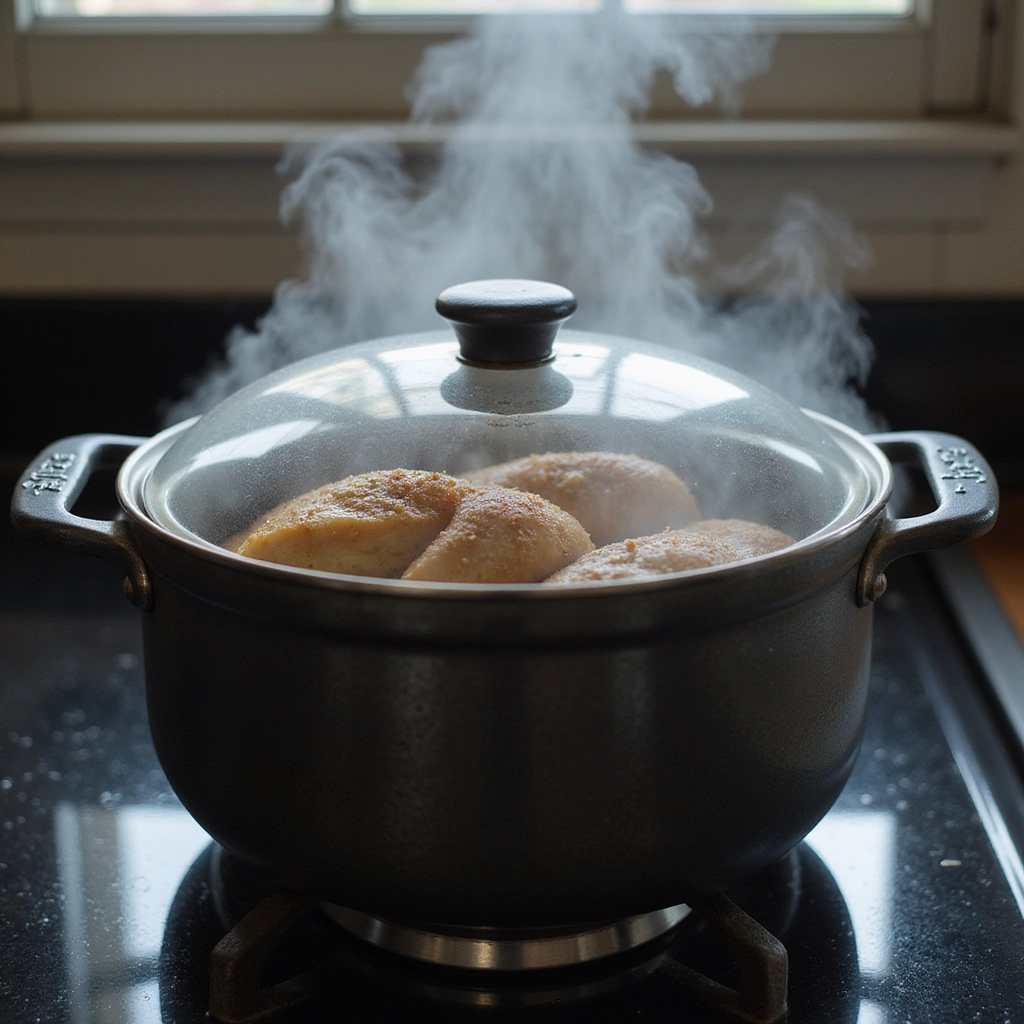
Pour in enough water to cover the chicken and bring the mixture to a boil.
Once boiling, reduce the heat to low and cover the pot to simmer.
Cook for 30-35 minutes or until the chicken is tender and cooked through.
The sauce should thicken and develop a rich flavor during this time.
Step 10: Check for Doneness
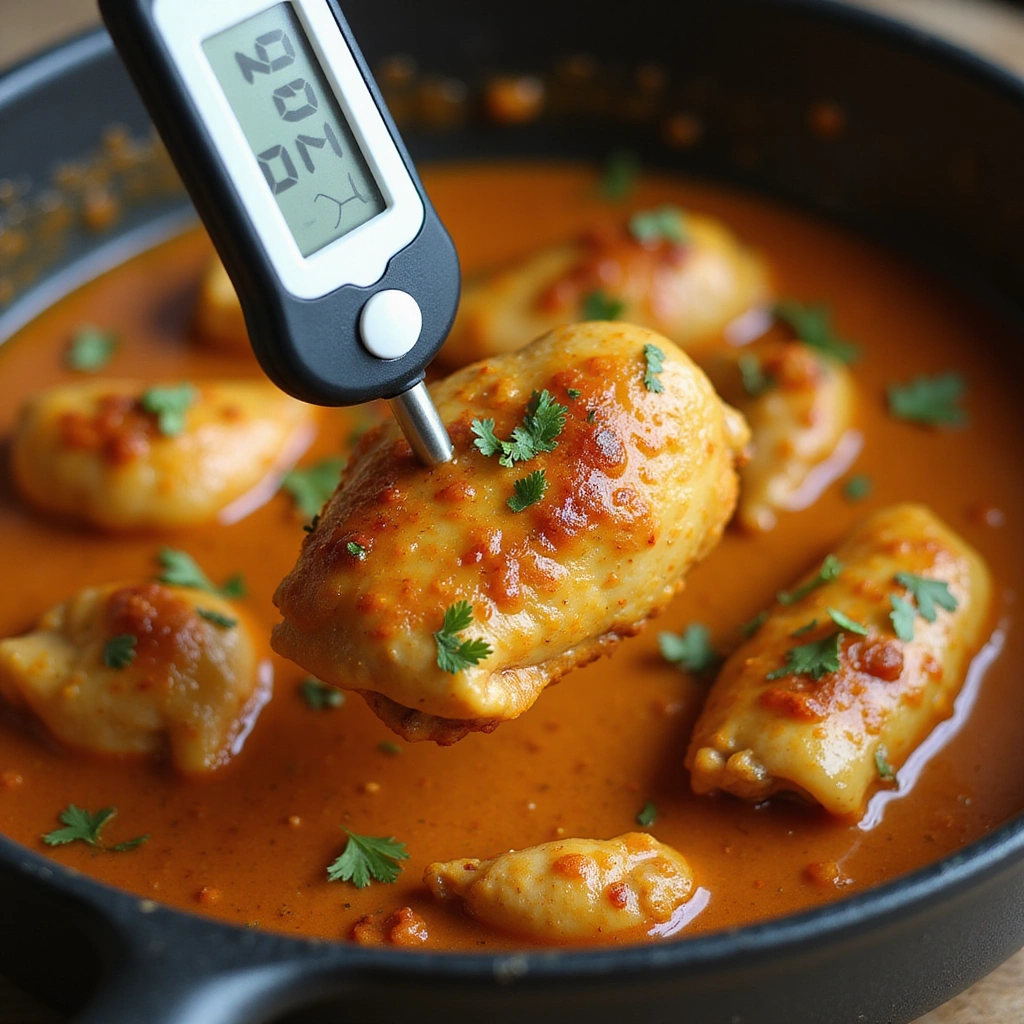
After simmering, check the chicken with a meat thermometer.
It should reach an internal temperature of 75°C (165°F).
If it’s not there yet, continue to simmer for a few more minutes.
The chicken should be fork-tender and the sauce rich and flavorful.
Step 11: Garnish and Serve
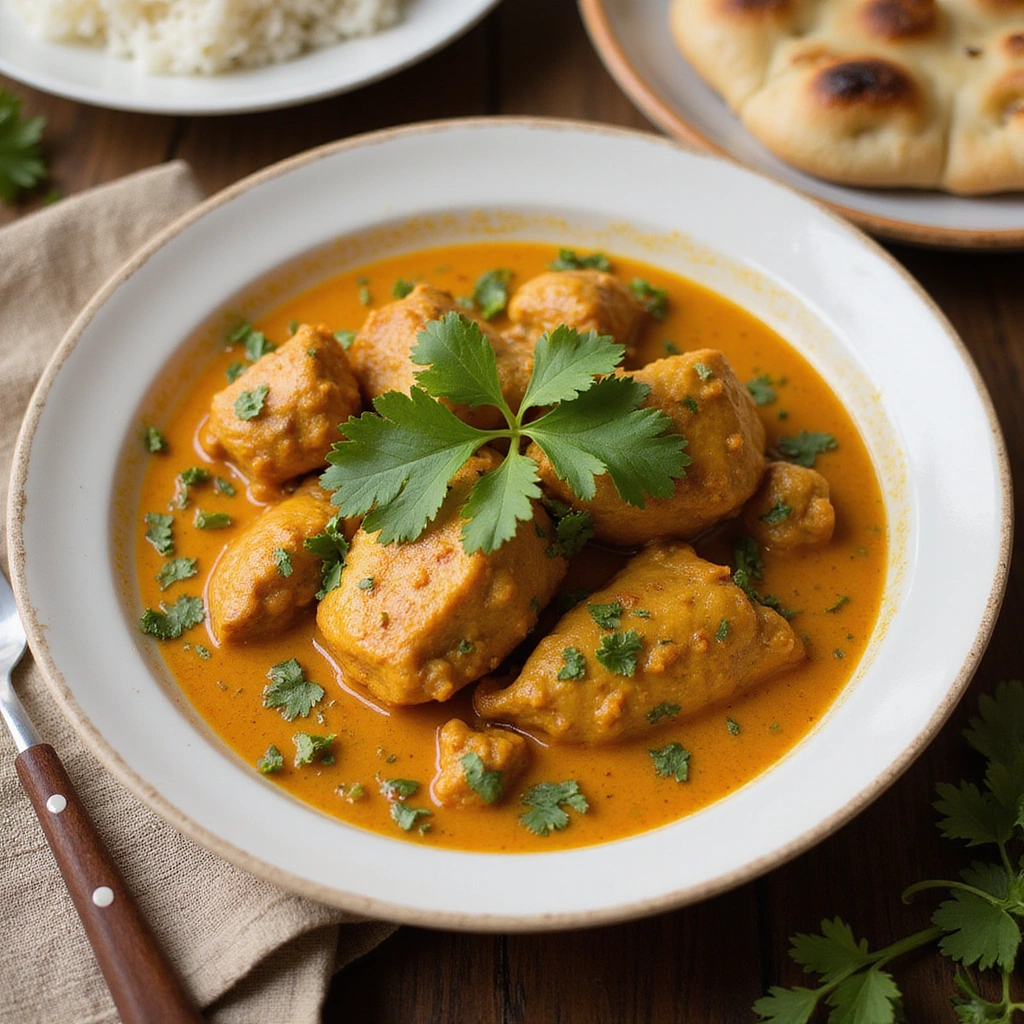
Once cooked, remove the pot from heat and garnish with fresh cilantro.
Serve the curry hot with rice or naan on the side.
This adds a burst of freshness and color to your dish.
Enjoy the rich flavors and comforting aroma of your homemade curry.
Step 12: Enjoy Your Meal
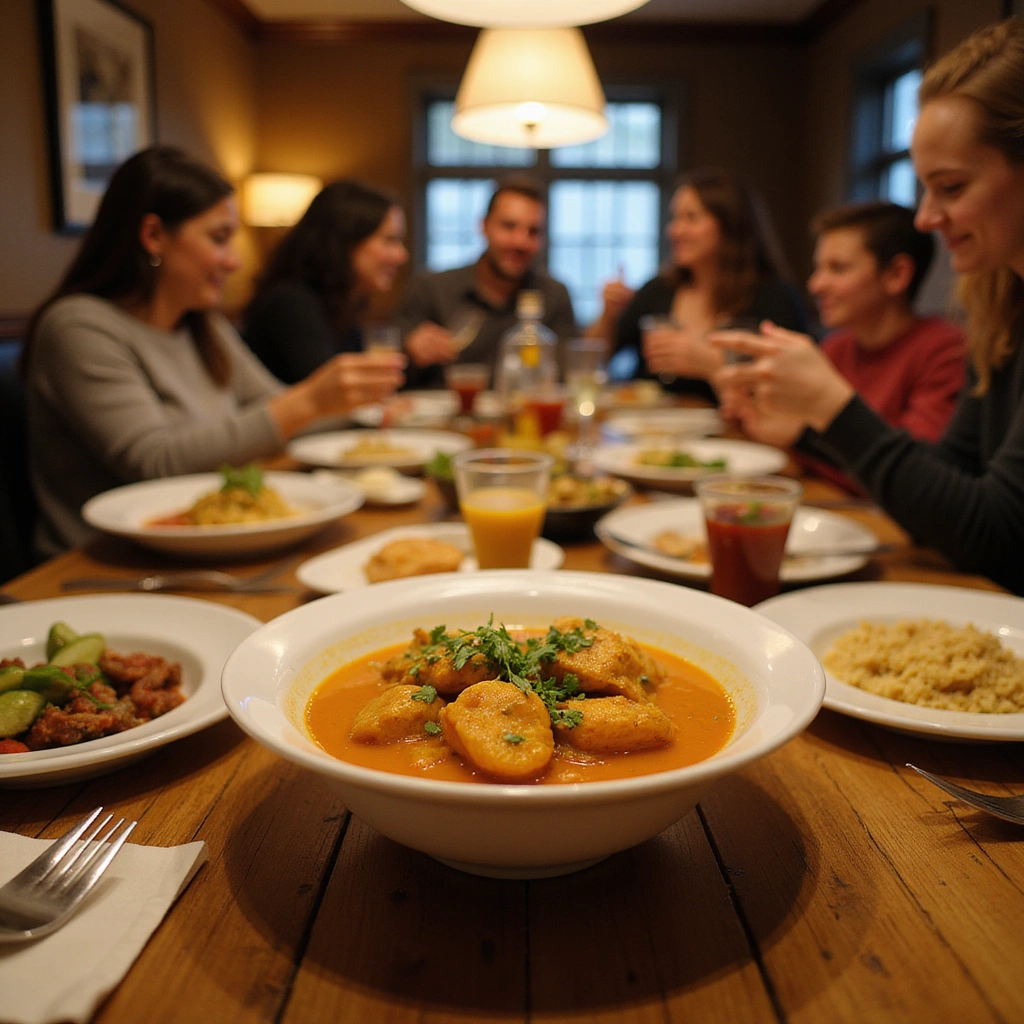
Sit down with your family or friends to enjoy your delicious Bone In Chicken Curry.
Take a moment to appreciate the flavors and warmth of the dish.
Consider sharing stories or memories associated with curry as you enjoy your meal together.
This dish is meant to be savored and enjoyed in good company.
Critical Timing and Temperature Guide
Marinating Chicken: Marinate for at least 30 minutes at room temperature or up to 4 hours in the refrigerator to enhance flavor and tenderness.
Simmering Time: Allow the curry to simmer for 30-35 minutes on low heat to ensure the chicken is tender and absorbs all the spices.
Serving Temperature: The curry should be served hot, around 70°C (158°F), for the best flavor and enjoyment.
Pro Tips for Bone In Chicken Curry Recipes Juicy And Flavorful
• Ingredient Selection: Choose high-quality bone-in chicken for the best flavor and juiciness, as the bones enhance the richness of the curry.
• Preparation Secret: Allow the chicken to marinate overnight for even deeper flavor penetration.
• Temperature Management: Ensure the oil is hot enough before adding onions to avoid sogginess and promote caramelization.
• Texture Enhancement: Simmer on low heat to keep the chicken tender rather than tough.
• Flavor Layering: Add spices at different stages of cooking to build complexity in flavor.
• Make-Ahead Strategies: Prepare the sauce ahead of time and store it in the refrigerator for up to 3 days, adding chicken when ready to cook.
• Restaurant-Quality Finishing Touches: Drizzle a little cream or yogurt on top before serving for an elegant touch.
• Equipment Optimization: Use a Dutch oven to retain heat evenly for better cooking results.
Troubleshooting Common Issues
• Texture Too Tough: This can occur if the chicken is cooked at too high a temperature. To prevent this, always simmer on low heat and check for doneness with a meat thermometer.
• Flavors Unbalanced: If your curry tastes too salty or bland, adjust by adding a bit of sugar or acidity (like lemon juice) to balance the flavors.
• Sauce Too Watery: If your sauce is too thin, simmer it uncovered for a few more minutes to reduce and thicken.
• Burned Spices: If the spices burn, ensure you’re stirring frequently and cooking on low heat. Start over if necessary to avoid bitterness.
• Chicken Not Cooked Through: If your chicken isn’t done, continue to simmer and check every few minutes until it reaches the proper temperature.
Variations and Regional Differences
• South Indian Variation: This version uses coconut milk and curry leaves, giving it a creamy texture and unique flavor profile.
• Punjabi Style: Known for its rich, buttery sauce, this variation uses ghee and adds more spices, including garam masala, for a robust taste.
• Thai Influence: Incorporates lemongrass and kaffir lime leaves, offering a fresh twist that balances well with the earthy spices.
• Modern Interpretations: Contemporary versions may substitute chicken with tofu or vegetables for a vegetarian option, while still maintaining the essence of the curry.
Food Science Behind the Recipe
• Maillard Reaction: This chemical reaction occurs when the chicken is browned, creating complex flavors and a rich color that enhances the overall taste of the dish.
• Emulsification: When oil and water mix during cooking, it creates a cohesive sauce that binds flavors together, making every bite delicious.
• Gelatinization: The breakdown of collagen from the bones during cooking adds body and richness to the sauce, resulting in a velvety texture.
Frequently Asked Questions
What’s the most common mistake people make when preparing Bone In Chicken Curry? The most common mistake is cooking at too high a temperature, which can cause the chicken to become tough. Always simmer on low heat for tenderness.
Can I prepare components of this dish in advance? Yes, you can chop vegetables and marinate the chicken a day ahead, storing them in the fridge until you’re ready to cook.
How do I adapt this recipe for dietary restrictions? For gluten-free, ensure spices are certified gluten-free, and you can use coconut yogurt for a dairy-free version.
What’s the best way to store and reheat leftovers? Store in an airtight container in the fridge for up to 3 days. Reheat on the stovetop over low heat, adding a splash of water to loosen the sauce.
Can I freeze this dish? Yes, freeze in an airtight container for up to 3 months. Thaw overnight in the fridge before reheating.
What wine or beverages pair best with this dish? A chilled Riesling or a light-bodied red wine like Pinot Noir complements the spices beautifully.
How can I scale this recipe up for a crowd? Simply multiply the ingredients while keeping the cooking times similar, and use a larger pot to accommodate the increased volume.
What side dishes complement this recipe best? Serve with basmati rice or naan, and consider a side of raita to cool the palate against the spices.
How do professional chefs elevate this dish for restaurant service? They often use homemade stock for the sauce and finish with a drizzle of flavored oil or fresh herbs.
Serving and Presentation Guide
• Traditional Presentation: Serve the curry in a large bowl with fresh cilantro on top and a side of rice or naan, garnished with lime wedges for brightness.
• Modern Plating Ideas: Use a shallow white bowl, place the curry in the center, and drizzle with yogurt and a sprinkle of chili powder for color contrast.
• Accompaniment Suggestions: Pair with cucumber salad or a fresh green salad to balance the richness of the curry.
• Special Occasion Presentation: Use a decorative serving dish and add edible flowers or microgreens for a stunning visual effect.
Conclusion
I hope you feel inspired to try making this delicious Bone In Chicken Curry at home.
With its rich flavors and comforting qualities, it’s sure to become a family favorite.
Don’t hesitate to experiment with the spices to make it your own.
Enjoy the process and the delightful meal that follows!