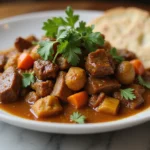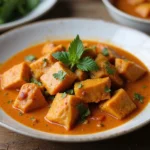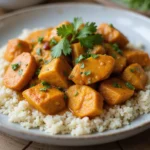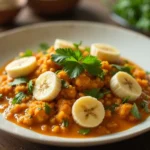
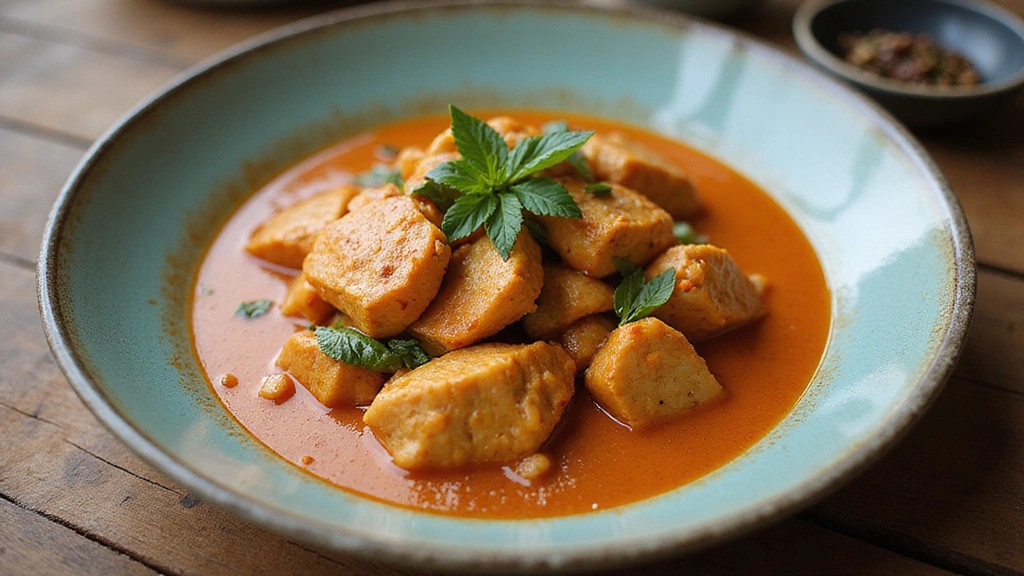
Penang Curry Chicken is a vibrant dish that encapsulates the essence of Southeast Asian cuisine.
With its aromatic spices and creamy coconut milk, this curry strikes a perfect balance between sweet, savory, and slightly spicy flavors.
My love for this dish blossomed during a culinary tour in Malaysia, where the locals shared their treasured family recipes with me.
Whether you’re looking to impress guests or simply enjoy a comforting meal at home, this recipe is sure to deliver authentic taste and satisfaction.
The History and Cultural Significance
• Penang Curry Chicken traces its origins to the Penang region of Malaysia, where it was originally created by Indian Muslim communities.
• The dish evolved over decades as local ingredients and cooking techniques blended with traditional Indian spices, eventually becoming the beloved version we know today.
• In Malaysia, this dish traditionally appears at festive occasions and family gatherings, symbolizing hospitality and community.
• While many variations exist across different regions, the authentic version maintains a rich, creamy texture and a complex flavor profile that sets it apart from imitations.
Recipe Overview
Nutritional Information (per serving)
Ingredients
Essential Equipment Guide
Wok: A wok is essential for achieving the high temperatures needed for stir-frying the chicken and vegetables evenly. Look for a lightweight, non-stick version for easy handling and cleaning.
Blender or Food Processor: This tool is crucial for making a smooth curry paste. A high-powered blender will ensure the spices are finely ground and well combined.
Chef’s Knife: A sharp chef’s knife is important for chopping chicken and vegetables finely. A good quality knife will make preparation quicker and safer.
Preparation Methods
Making Curry Paste: To create a flavorful curry paste, combine red curry paste, lemongrass, and kaffir lime leaves in a blender or food processor. This technique allows the ingredients to meld together, creating a vibrant base for your curry.
Stir-Frying: In a hot wok, add a bit of oil and stir-fry the chicken until it’s golden brown. Stir-frying at high heat ensures the chicken remains juicy and develops a rich flavor.
Simmering: After adding coconut milk, let the curry simmer gently. This slow cooking allows the flavors to deepen and the ingredients to soften, resulting in a harmonious dish.
Step 1: Prepare Ingredients
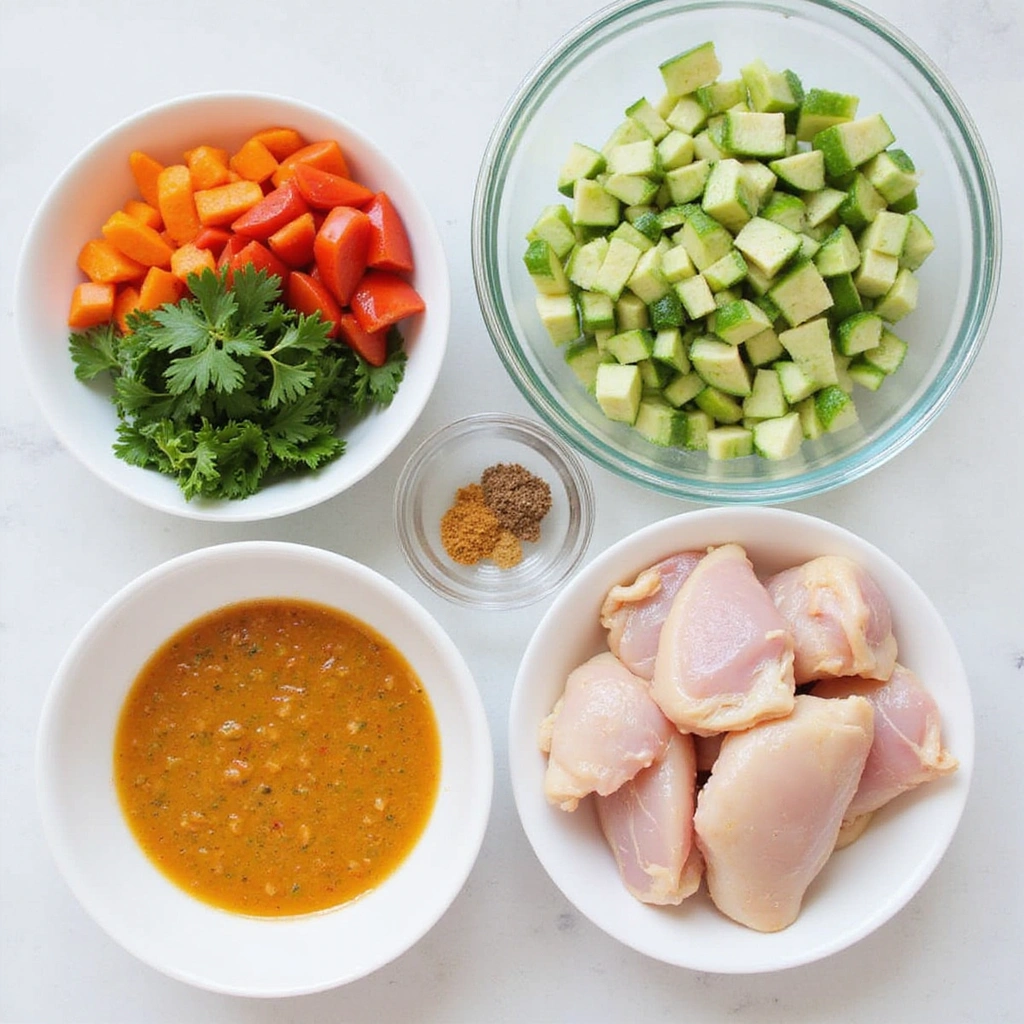
Gather all the ingredients needed for the recipe.
Wash and chop the vegetables into the specified sizes.
Ensure that the chicken is cut into bite-sized pieces for even cooking.
Organize everything in separate bowls for easy access during cooking.
Step 2: Make Curry Paste
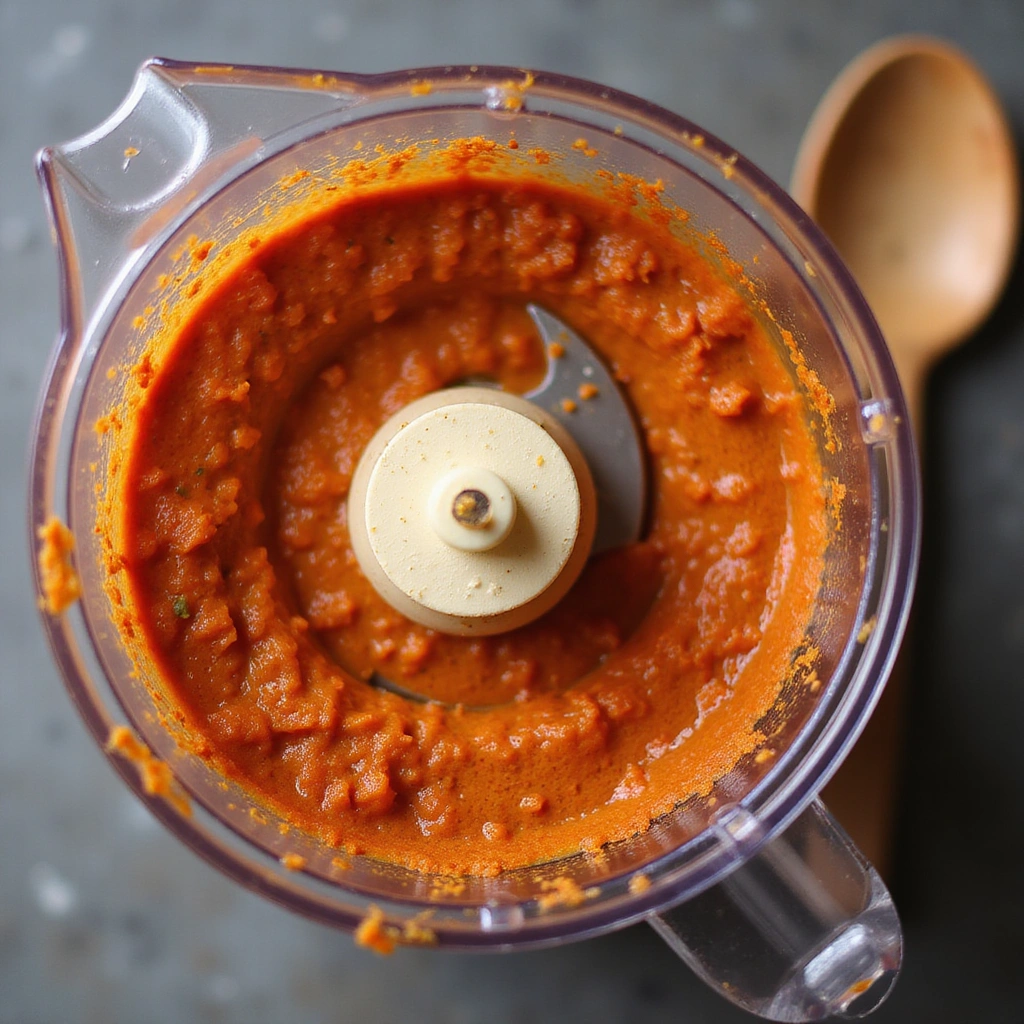
In a blender or food processor, combine the red curry paste, chopped lemongrass, and torn kaffir lime leaves.
Blend until the mixture is smooth and well combined.
This step is crucial for creating a well-balanced flavor base for the curry.
Scrape down the sides of the blender to ensure all ingredients are incorporated.
Step 3: Stir-Fry Chicken
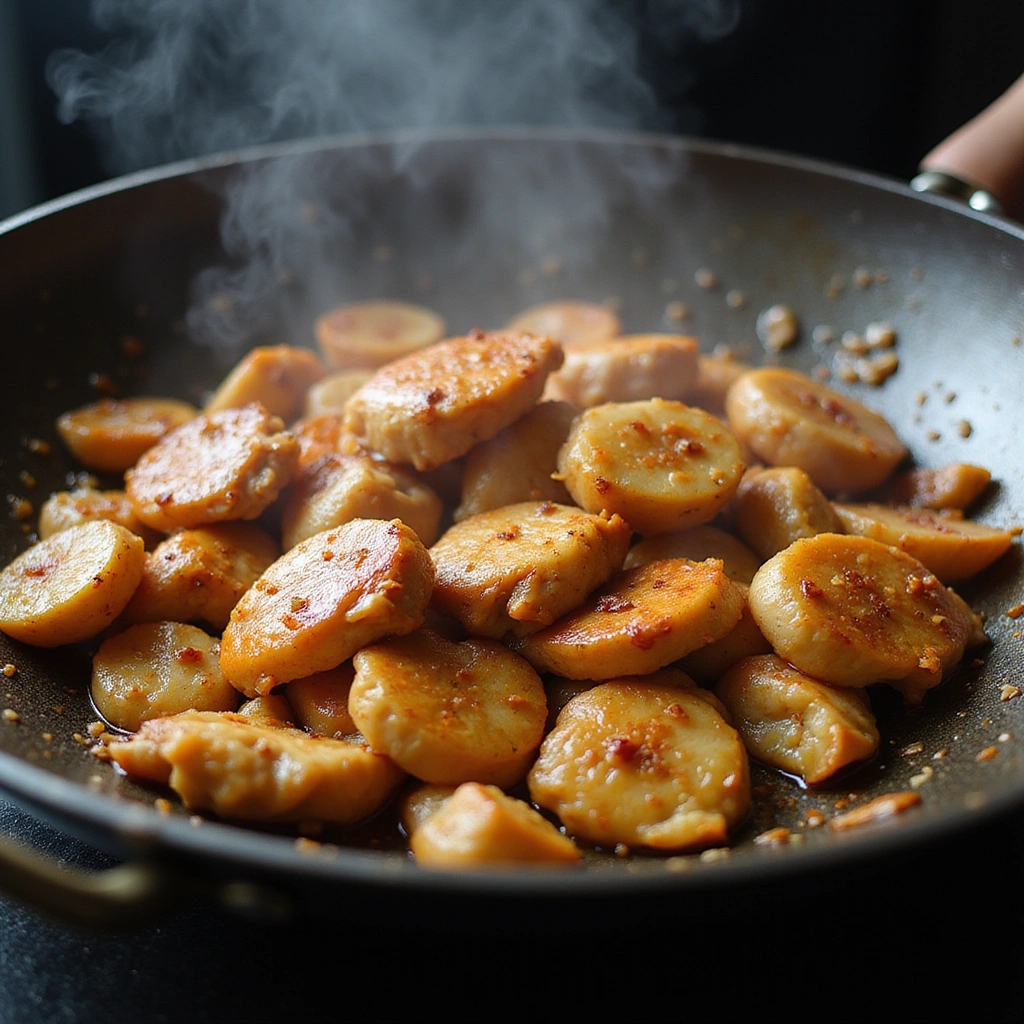
Heat a wok over medium-high heat and add a tablespoon of oil.
Once the oil is hot, add the chicken pieces and stir-fry until they are golden brown.
Ensure the chicken is cooked evenly by stirring frequently.
This process should take about 5-7 minutes.
Step 4: Add Vegetables
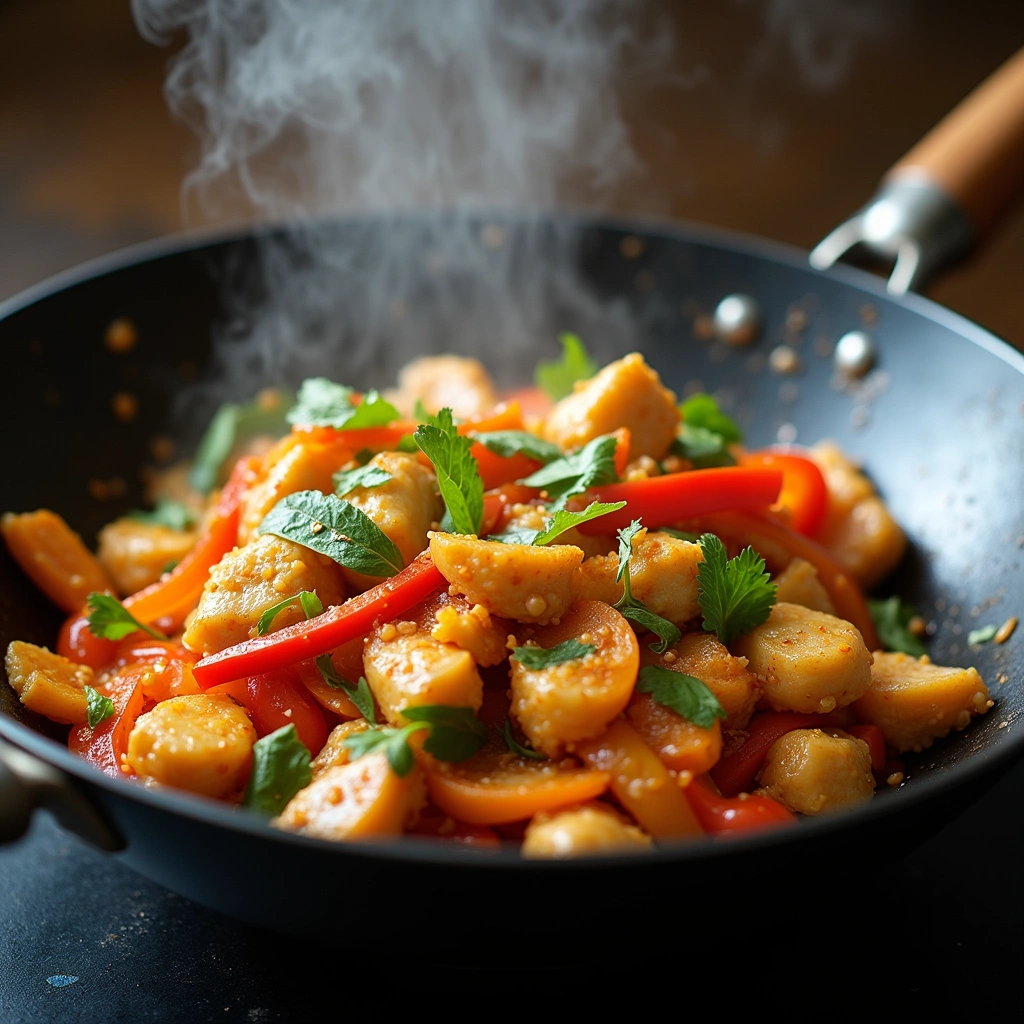
Once the chicken is browned, add the sliced onion, bell pepper, and carrots to the wok.
Stir-fry the vegetables for about 3-4 minutes until they start to soften.
This adds a vibrant color and texture to the dish.
Make sure the vegetables are well mixed with the chicken.
Step 5: Incorporate Curry Paste
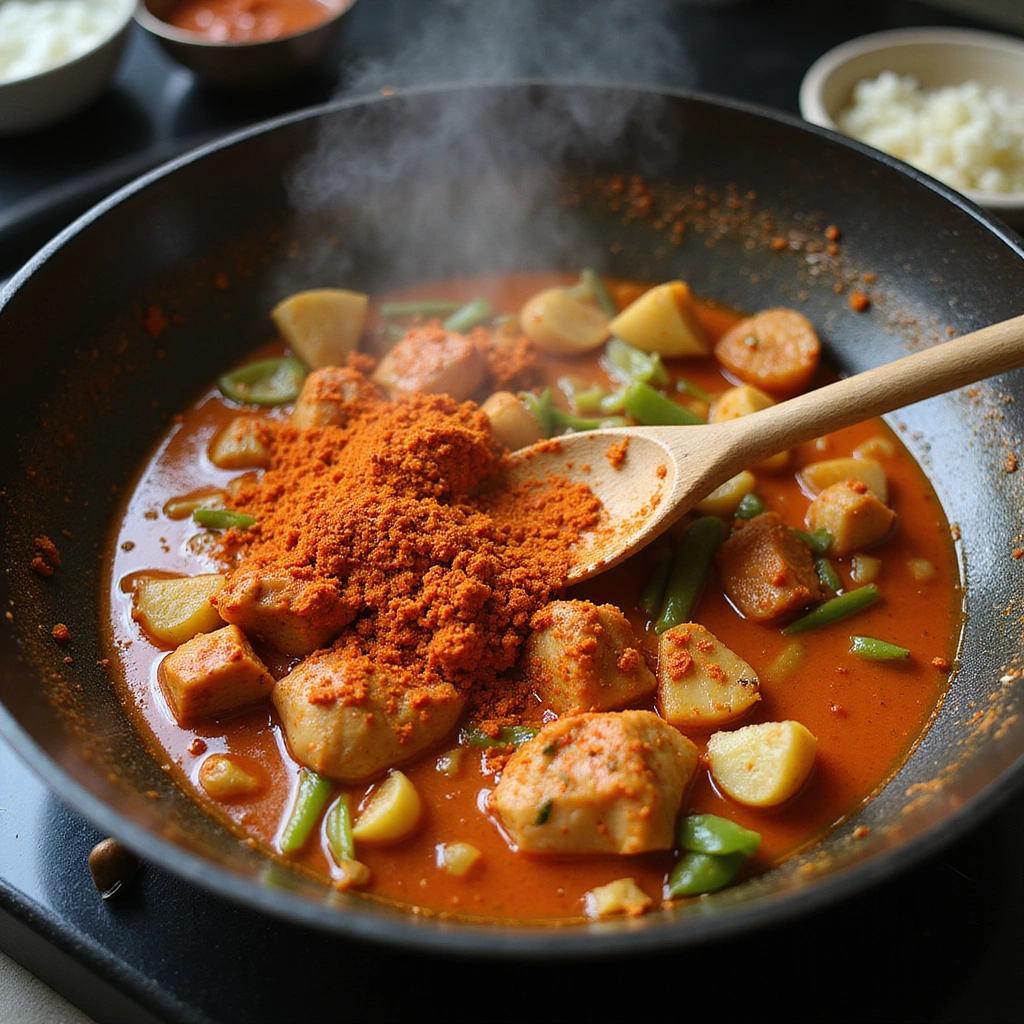
Add the prepared curry paste to the wok with the chicken and vegetables.
Stir continuously to ensure the paste coats all the ingredients evenly.
This step releases the aromatic flavors of the spices.
Cook for about 2 minutes until fragrant.
Step 6: Add Coconut Milk
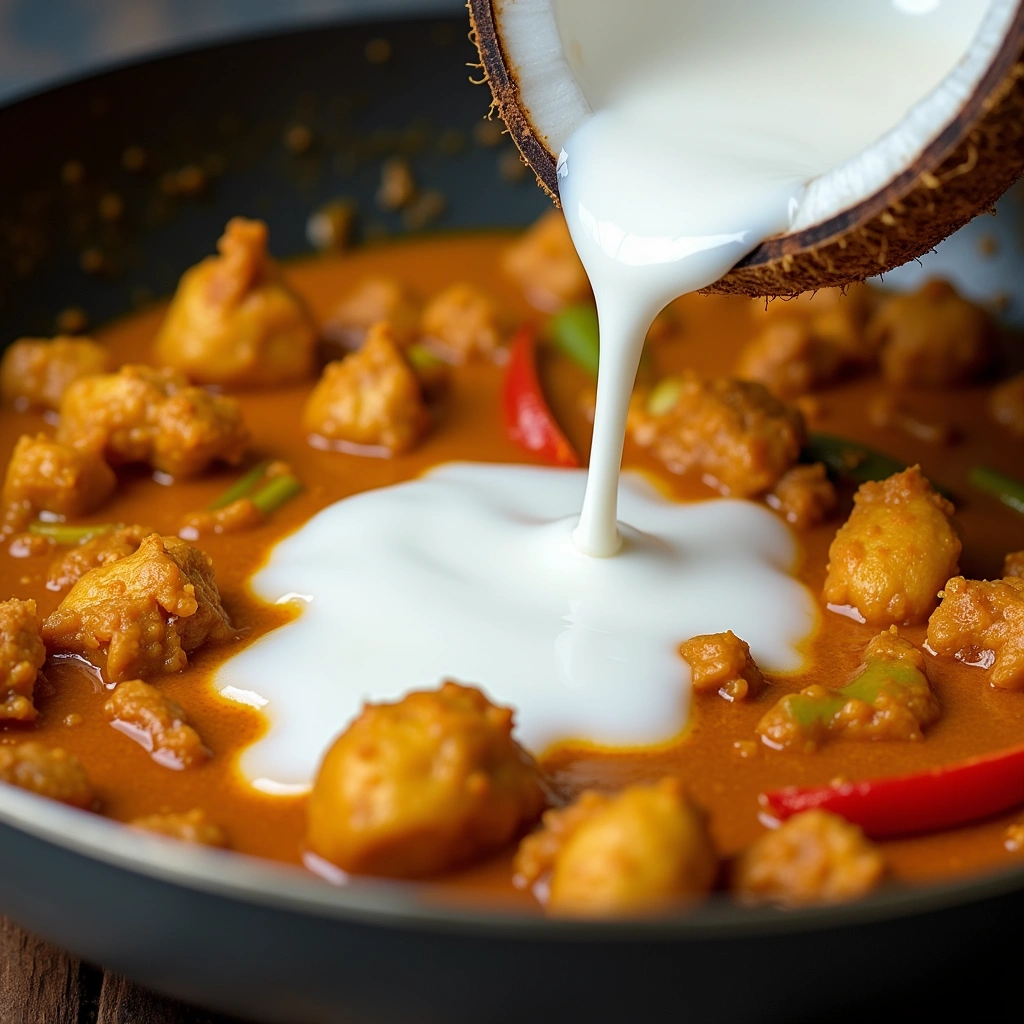
Pour in the coconut milk gradually, stirring to combine with the curry mixture.
This will create a creamy sauce that binds all the flavors together.
Bring the mixture to a gentle simmer.
Watch for the sauce to begin to bubble slightly.
Step 7: Simmer the Curry
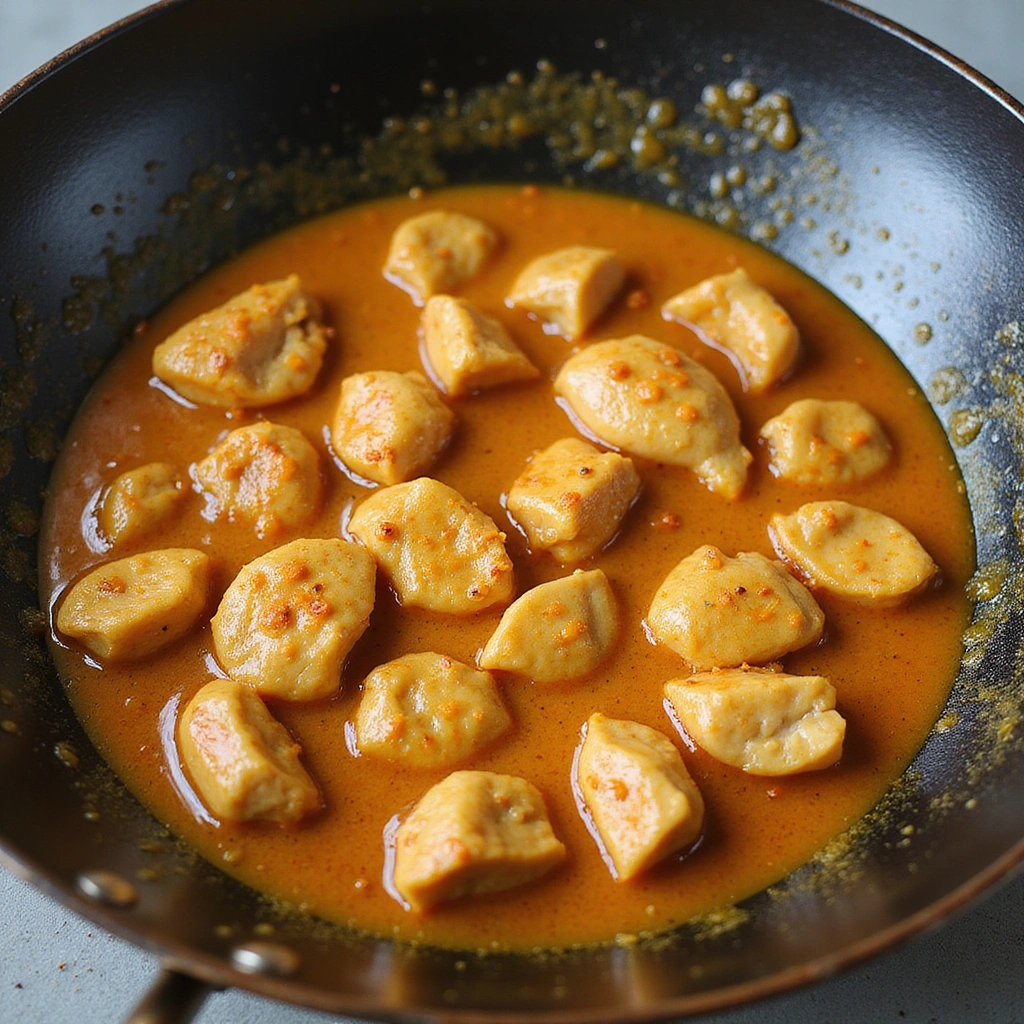
Allow the curry to simmer for about 15-20 minutes on low heat.
This slow cooking allows the chicken to become tender and the flavors to meld.
Stir occasionally to prevent sticking.
Look for a slightly thickened sauce as it cooks.
Step 8: Season and Serve
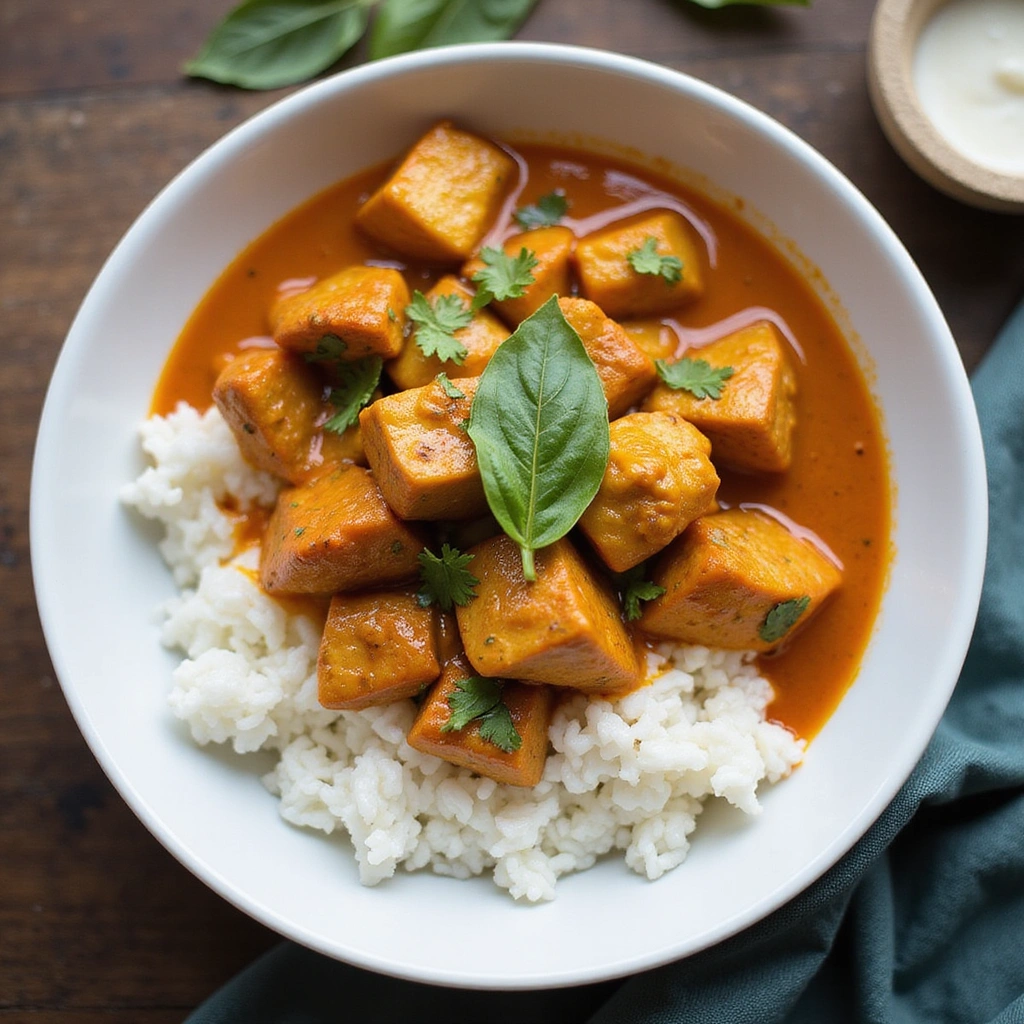
Taste the curry and adjust the seasoning with fish sauce, brown sugar, and salt as needed.
Stir well to incorporate any additional flavors.
Serve the curry hot over jasmine rice or with roti.
Garnish with fresh basil leaves for an aromatic touch.
Critical Timing and Temperature Guide
Stir-Frying Chicken: Cook the chicken for 5-7 minutes over medium-high heat until golden brown. Look for a slight crust on the outside but ensure it remains juicy inside. Avoid overcrowding the pan to ensure even cooking.
Simmering the Curry: Allow the curry to simmer for 15-20 minutes on low heat. You’ll know it’s done when the sauce thickens slightly and the chicken is tender. Avoid boiling it vigorously; a gentle simmer is key.
Adding Coconut Milk: Pour in the coconut milk gradually and stir to combine. Look for a creamy consistency without separation. If it separates, reduce the heat immediately.
Pro Tips for Penang Curry Chicken Thai Recipes Authentic Flavor
• Ingredient Selection: Choose high-quality coconut milk and fresh spices, as they significantly impact the dish’s final flavor.
• Preparation Secret: Allow the curry paste to rest for a few minutes after blending to enhance its flavors before cooking.
• Temperature Management: Ensure all ingredients are at room temperature before cooking to promote even cooking and flavor melding.
• Texture Enhancement: For a creamier texture, blend a portion of the cooked curry and return it to the pot.
• Flavor Layering: Add the fish sauce gradually to taste, balancing the salty and sweet elements.
• Make-Ahead Strategies: Prepare the curry paste and chop vegetables a day in advance to save time.
• Restaurant-Quality Finishing Touches: Drizzle a little coconut cream on top before serving for an elegant presentation.
• Equipment Optimization: Use a heavy-bottomed wok to maintain consistent heat and prevent burning.
Troubleshooting Common Issues
• Spices Not Blending Well: Ensure you blend the curry paste thoroughly. If necessary, blend in small batches to achieve a smoother consistency.
Variations and Regional Differences
• Malaysian Version: Often includes potatoes and is served with roti canai, adding heartiness to the dish.
• Thai Version: Typically features different types of meat and may include additional herbs like Thai basil for a distinct flavor.
• Vegetarian Variation: Substitute chicken with tofu or chickpeas for a plant-based option that still captures the essence of the curry.
• Modern Interpretations: Some chefs incorporate fusion elements, such as using quinoa instead of rice or adding local vegetables.
Food Science Behind the Recipe
• Emulsification: The combining of coconut milk with the curry paste creates a stable emulsion, enhancing the dish’s creaminess and preventing separation.
• Maillard Reaction: Browning the chicken in the wok develops complex flavors and aromas through this chemical process, elevating the overall taste.
• Flavor Extraction: Simmering allows the spices to infuse into the chicken and sauce, creating a more cohesive and rich flavor profile.
Frequently Asked Questions
What’s the most common mistake people make when preparing Penang Curry Chicken? Many underestimate the importance of using quality curry paste, which can lead to bland flavors. Always opt for a well-rated brand or make your own for the best results.
Can I prepare components of this dish in advance? Yes, you can prepare the curry paste and chop vegetables up to a day ahead and store them in the refrigerator.
How do I adapt this recipe for dietary restrictions? To make it gluten-free, ensure your fish sauce is gluten-free or substitute with tamari. For a vegan option, replace chicken with tofu and use vegetable broth instead of fish sauce.
What’s the best way to store and reheat leftovers? Refrigerate leftovers in an airtight container for up to 3 days. Reheat gently on the stove over low heat, adding a splash of water if necessary to loosen the sauce.
Can I freeze this dish? Yes, freeze in an airtight container for up to 3 months. Thaw overnight in the refrigerator before reheating.
What wine or beverages pair best with this dish? A chilled Riesling or a light lager complements the spices well, balancing the heat with sweetness.
How can I scale this recipe up for a crowd? Simply multiply the ingredients by the number of servings you need, but be mindful of the cooking time as larger quantities may require longer to cook through.
What side dishes complement this recipe best? Jasmine rice or roti are traditional accompaniments that soak up the delicious sauce beautifully.
How do professional chefs elevate this dish for restaurant service? They often use fresh herbs as a garnish, drizzle with coconut cream, and serve on a stylish plate for presentation.
Serving and Presentation Guide
• Traditional Presentation: Serve the curry in a deep bowl, garnished with fresh basil, alongside a mound of jasmine rice in a separate dish.
• Modern Plating Ideas: For a contemporary twist, use a shallow plate and arrange the rice in a small dome, pouring the curry artfully around it.
• Accompaniment Suggestions: Serve with pickled vegetables or a side of cucumber salad to balance the richness of the curry.
• Special Occasion Presentation: Use elegant serving dishes and add edible flowers or microgreens for a sophisticated touch.
Conclusion
I hope you enjoy making and savoring Penang Curry Chicken as much as I do.
This dish is a true celebration of flavors that brings a piece of Malaysia to your kitchen.
Don’t hesitate to share your culinary adventures and variations with friends and family!